
Carpiquet — commune in Calvados, Normandy, near Caen
Carpiquet is a commune in the Calvados department of Normandy, northwest France, known for the Caen–Carpiquet airport, wartime history from 1944, and its role in the Caen urban area and local economy.
Overview
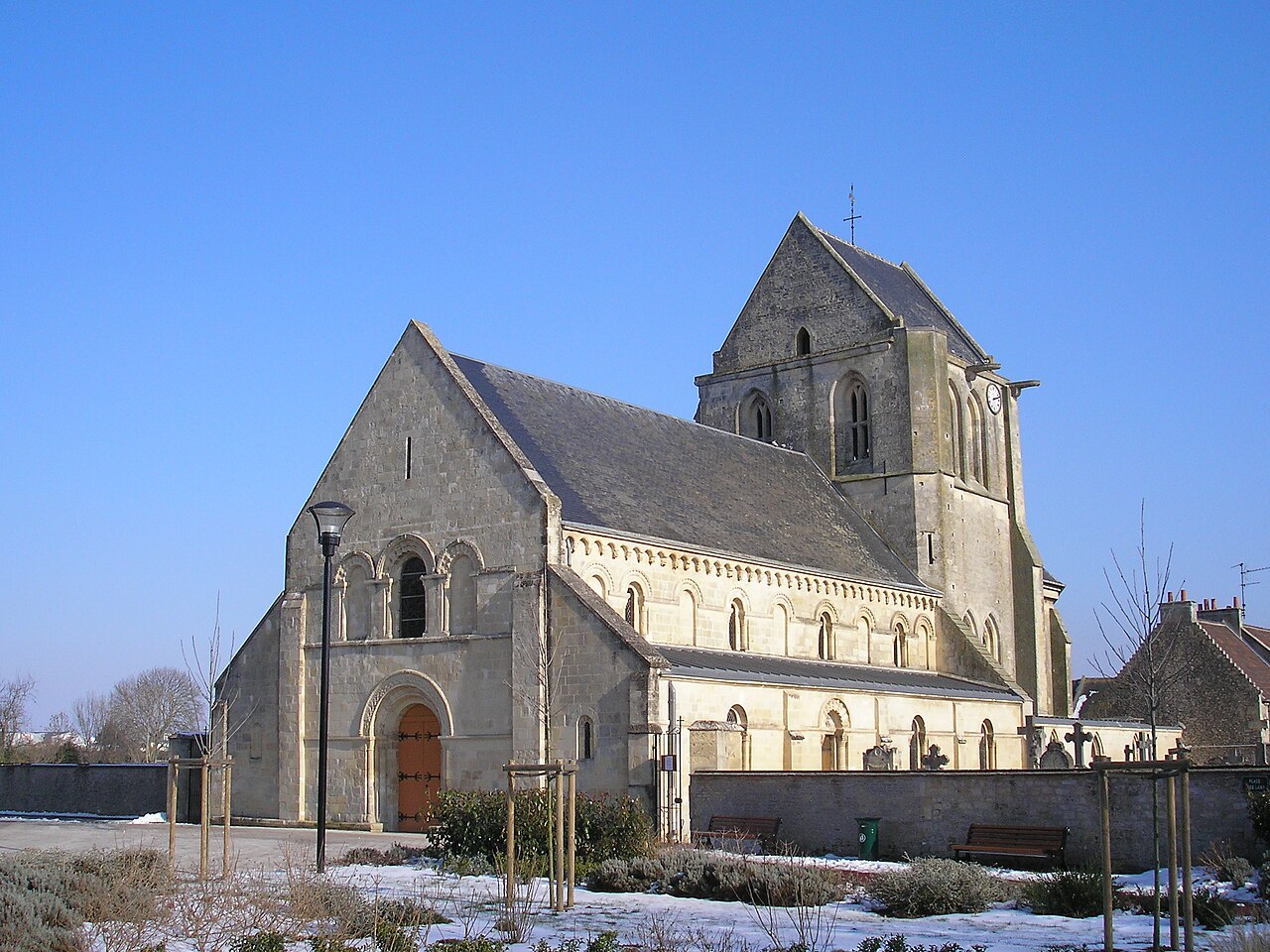
Carpiquet is a commune in the Basse-Normandie region, situated within the Calvados department of northwest France. Lying just west of the city of Caen, it forms part of the wider Caen urban area. The town combines suburban residential areas with zones dedicated to industry, logistics and services, and is best known for the nearby civil airport that serves Caen and the surrounding region.
Image gallery
2 Images
Characteristics and infrastructure
Carpiquet’s landscape mixes low-lying farmland, built-up neighborhoods and commercial estates. The Caen–Carpiquet airport occupies significant land near the commune and acts as a regional transport hub for passenger and freight services. Local amenities include municipal services, small shops and businesses that cater both to residents and to travelers using the airport.
History
The commune has a long rural and administrative history typical of Normandy, but it gained wider attention during World War II. In 1944 the airfield and surrounding area were the scene of intense fighting during the Battle of Normandy, and the site changed hands as Allied forces sought to secure the approaches to Caen. Traces of this period are preserved in local memory and commemorations.
Economy and transport
- Caen–Carpiquet airport: the principal transport and economic driver for the locality.
- Light industry and logistics parks tied to regional supply chains.
- Agricultural land around the town supports local producers and rural activity.
- Road and public transport links connect Carpiquet to Caen and the wider Normandy region.
Carpiquet’s proximity to a larger city gives residents access to urban services while retaining a smaller-community atmosphere. The airport also brings seasonal visitor flows and employment opportunities. Interest in local history and Second World War events remains a notable feature for visitors and scholars.
For practical information such as municipal services, visitor facilities and transport schedules, consult local resources or municipal notices. The commune’s role is both functional—supporting travel and logistics—and cultural, as part of Normandy’s layered historical landscape.
Related articles
Author
AlegsaOnline.com Carpiquet — commune in Calvados, Normandy, near Caen Leandro Alegsa
URL: https://en.alegsaonline.com/art/17233