
Ballets Russes (Les Ballets Russes de Serge Diaghilev)
Early 20th-century ballet company founded by Sergei Diaghilev that revolutionized dance, music and visual design through bold collaborations and landmark premieres like The Rite of Spring.
Overview
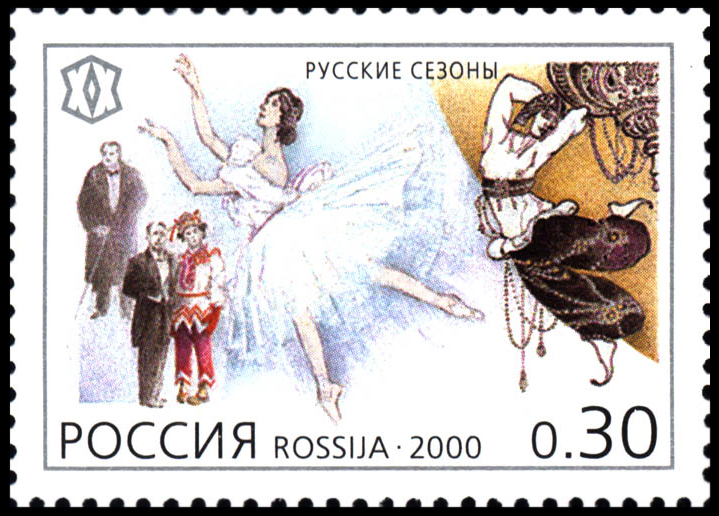
The Ballets Russes, formally known as Les Ballets Russes de Serge Diaghilev, was a touring company that reshaped Western ballet and performing arts. Active chiefly between 1909 and 1929, it brought together dancers, choreographers, composers and visual artists to create productions that mixed classical technique with modernist ideas. Although its dancers originated largely from Russia, the company operated across Europe and found a permanent artistic base in Paris.
Image gallery
10 Images



Artistic characteristics
The Ballets Russes emphasized integrated spectacle: choreography, orchestral score, costume and set design were conceived as parts of a single theatrical whole. Its works often embraced exotic, folkloric or primitivist themes, using striking colour, unconventional movement and novel harmonic language in the orchestra. This multidisciplinary approach brought to the stage collaborations between the dance world and contemporary art and music.
Key figures and repertoire
The company was founded and curated by Sergei Diaghilev, a Russian-born impresario noted for his flair in assembling talent and commissioning new work. It showcased star performers and innovators such as Vaslav Nijinsky, Anna Pavlova (briefly associated as a guest artist), Tamara Karsavina, and choreographers including Michel Fokine and Bronislava Nijinska. Composers who produced major scores for the company include Igor Stravinsky and Maurice Ravel.
- Notable premieres: The Rite of Spring (Stravinsky), Petrushka (Stravinsky), Daphnis et Chloé (Ravel), and others.
- Design collaborators: Léon Bakst, Alexandre Benois, Pablo Picasso and Natalia Goncharova contributed sets and costumes that became influential in visual culture.
History and development
Diaghilev established the troupe to present Russian art and dance to Western audiences, beginning with seasons in Paris. The company toured extensively, mounting successive seasons that introduced new works and avant-garde aesthetics to public salons, concert halls and theatres throughout Europe in the early 20th century. Diaghilev's leadership combined artistic direction, commissioning power and promotional skill to sustain collaborations across national and disciplinary boundaries.
Impact, controversies and legacy
The Ballets Russes had an outsized influence on the development of modern ballet, directing choreographic language toward dramatic expression and modernist dissonance in music. Its premieres sometimes provoked heated responses—most famously the 1913 Paris premiere of The Rite of Spring, which sparked public disturbance and intense debate about new artistic directions. After Diaghilev's death in 1929 the original company dissolved, but successor troupes, émigré dancers and later 20th-century choreographers carried its innovations forward.
Importance and distinctions
What distinguishes the Ballets Russes is its role as a catalyst: it accelerated the fusion of dance with contemporary composition and visual art, helped launch careers of several major 20th-century artists, and changed audience expectations for theatricality and collaboration. Its legacy survives in repertory companies, ballet pedagogy and the continued study of its productions as landmarks of early modernism.
For summaries and archival material, see related entries on the history of ballet, Diaghilev's biography at specialist resources Sergei Diaghilev, and curated collections about European tours and productions across Europe. Further reading may be found in museum and performing-arts catalogues and contemporary critical studies available through institutional repositories Paris theatre archives and broader music and dance databases impresario studies and art histories, as well as analyses of the company's scores in music scholarship.
Questions and answers
Q: Who were the Ballets Russes?
A: The Ballets Russes were a group of ballet dancers directed by Sergei Diaghilev.
Q: What was the full title of the Ballets Russes?
A: The full title of the Ballets Russes was Les Ballets Russes de Serge Diaghilev.
Q: What was the Ballets Russes' influence on ballet and ballet music?
A: The Ballets Russes had more influence on ballet and ballet music than any other ballet company of their time.
Q: Where did the dancers come from?
A: The dancers were from Russia.
Q: Where did the Ballets Russes travel to?
A: The Ballets Russes travelled throughout Europe, spending a lot of their time based in Paris.
Q: Who were some of the composers who wrote ballet music for the Ballets Russes?
A: Stravinsky was one of the many composers who wrote ballet music for the Ballets Russes.
Q: What was Sergei Diaghilev's role in the Ballets Russes?
A: Sergei Diaghilev was an impresario who directed the Ballets Russes, had good taste in art and music, and inspired great composers to write music for his dancers. He was also good at spotting good dancers and helping them to rise to great standards.
Related articles
Author
AlegsaOnline.com Ballets Russes (Les Ballets Russes de Serge Diaghilev) Leandro Alegsa
URL: https://en.alegsaonline.com/art/8543