
Carlos Juan Finlay
Cuban physician and epidemiologist who first proposed that mosquitoes transmit yellow fever, leading to later confirmation and major advances in public health and tropical medicine.
Carlos Juan Finlay (1833–1915) was a Cuban physician and epidemiologist best known for proposing that mosquitoes transmit yellow fever. His insight changed how physicians and public-health officials approached the control of epidemic fevers in tropical regions and laid scientific groundwork for later confirmations and organized mosquito-control campaigns.
Image gallery
4 Images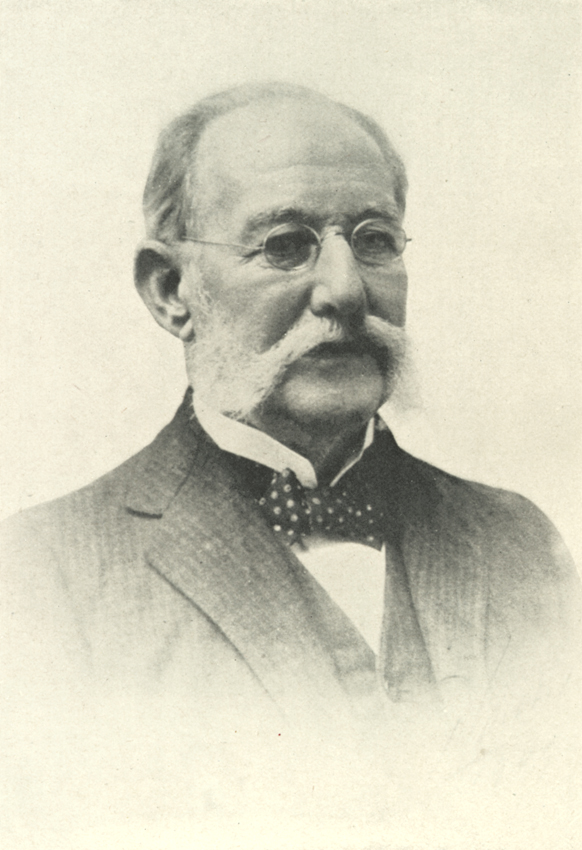


Life and training
Finlay trained as a physician in Cuba and continued medical studies in the United States, where he attended institutions that expanded his exposure to clinical and laboratory methods. He practiced medicine in Havana, combined clinical work with observational study, and communicated his findings to colleagues at home and abroad. For biographical overviews see Finlay biographies.
Hypothesis and research
In the 1880s Finlay proposed that an insect vector—later identified as the mosquito Aedes aegypti—transmitted the agent that caused yellow fever. He published and presented experimental and epidemiological observations that supported the vector theory and suggested practical control measures such as removing standing water and protecting patients from mosquito bites. Selected writings and primary sources are collected at Finlay primary works.
Confirmation and public-health impact
Finlay's idea was initially met with skepticism, but it guided later field experiments that confirmed mosquito transmission around the turn of the 20th century. That confirmation enabled effective control programs—mosquito eradication, screening, and sanitation—that reduced outbreaks and made major engineering projects in the tropics safer. Further context on yellow fever history and the subsequent research can be found at yellow fever research.
Contributions and legacy
- Introduced the mosquito-vector hypothesis for yellow fever.
- Promoted practical public-health measures to interrupt transmission.
- Influenced later investigators and public-health campaigns that reduced epidemic risk.
Finlay is remembered as a pioneering thinker whose combination of clinical observation and epidemiological reasoning helped shift public-health practice toward vector control. Institutions and commemorations in Cuba and internationally recognize his role; for institutional and educational resources see Finlay legacy resources.
Related articles
Author
AlegsaOnline.com Carlos Juan Finlay Leandro Alegsa
URL: https://en.alegsaonline.com/art/17073