
Clones — town in County Monaghan, Ireland
Clones is a small market town in western County Monaghan, Ireland, known for its early medieval monastic site, round tower, and St Tiernach's Park; it lies close to the border with Northern Ireland.
Clones is a small town in western County Monaghan, Ireland, situated close to the border with Northern Ireland. The town has a population of roughly 2,500 people and functions historically as a local market and service centre for a largely rural hinterland. Its compact centre and surrounding landscape reflect a mix of agricultural activity, local trade and cross‑border connections.
Image gallery
9 Images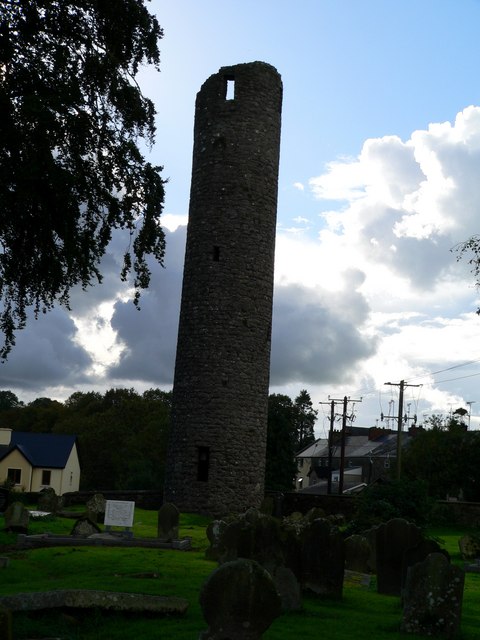



Name and origins
The English name "Clones" derives from the Irish Cluain Eois, often interpreted as "Eos's meadow" or a meadow associated with an early personal name. Older English spellings recorded in documents include Clonis, Clonish and Clownish. The place name preserves the town's Gaelic origins and its continuity from early medieval times into the present.
Early history and monuments
Clones grew up around an early medieval monastic settlement that local tradition associates with Saint Tighernach (sometimes anglicised as St Tiernach), who is believed to have founded a religious community there in the early medieval period. Surviving features in and around the town include the stump of a round tower and several carved high crosses, which are typical monument types for important monastic sites in Ireland and attract interest for their historic and artistic value.
Landmarks and built environment
- Monastic remains: round tower base and medieval cross fragments preserved within the town.
- St Tiernach's Park: a well‑known GAA stadium hosting county and provincial Gaelic games and gatherings.
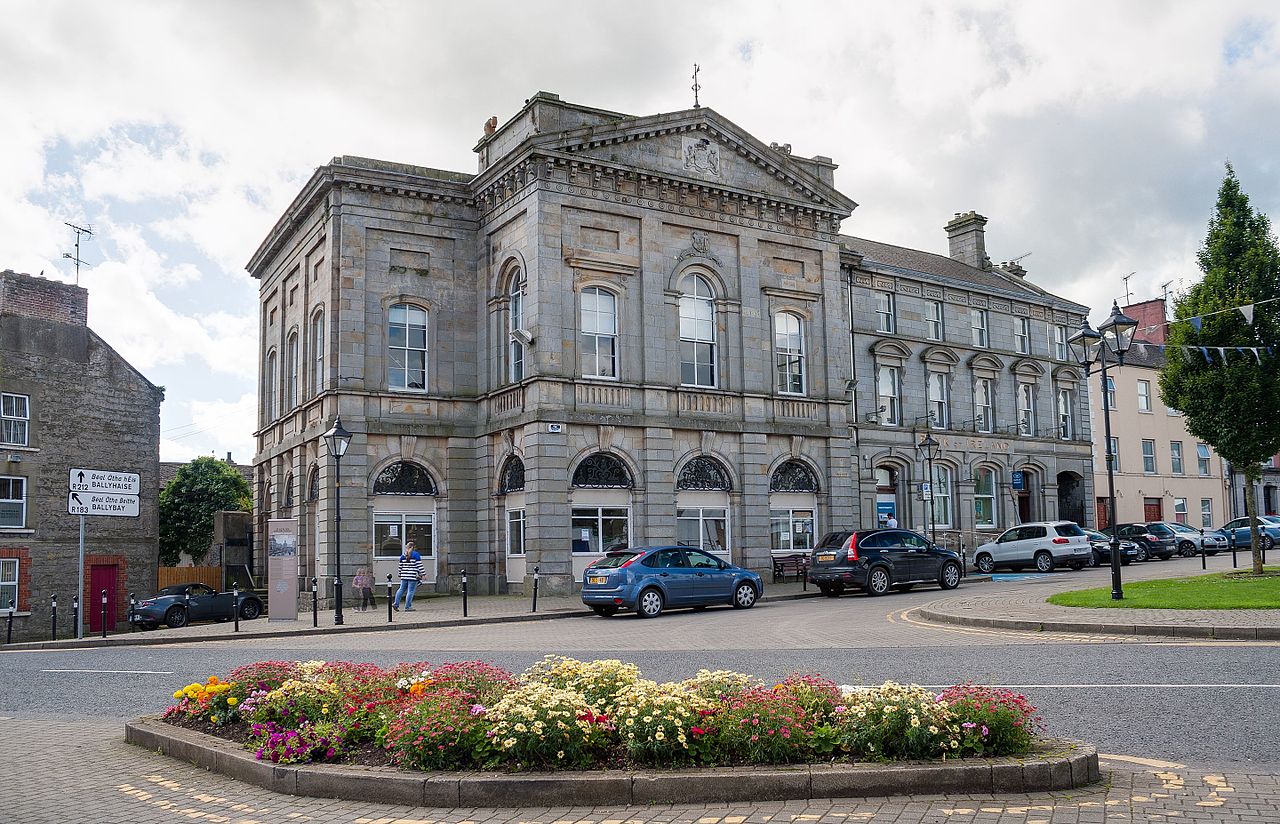
- Historic streetscape: a mix of 18th–19th century commercial buildings, churches and civic structures that reflect the town's role as a regional centre.
These features make Clones a point of interest both for visitors exploring early Irish Christianity and for followers of Gaelic sport.
Transport, economy and modern life
Historically Clones was connected to regional transport networks by road and by rail in the 19th and 20th centuries; many rural Irish rail links were reduced or removed during the mid‑20th century, leaving the town dependent on road connections for trade and commuting. The local economy remains a combination of agriculture, small business and services, with cross‑border commerce and commuting playing a role because of the town's location in the Border Region.
Culture, sport and community
Sport and community events are an important part of life in Clones. St Tiernach's Park is a focal point for county and provincial Gaelic Athletic Association fixtures, drawing crowds from across the region. Local festivals, markets and commemorations reflect both the town's historical identity and contemporary rural community life. Clones also functions as a gateway for visitors interested in the archaeology and landscape of western County Monaghan.
For further information on place names, local history and heritage resources, consult regional guides and local authorities that specialise in Monaghan's cultural and historical sites.
Questions and answers
Q: Where is Clones located?
A: Clones is located in western County Monaghan, Ireland.
Q: What is the meaning of Clones in Irish?
A: Clones is the English language version of the Irish Cluain Eois, meaning "Eos's meadow".
Q: How many people live in Clones?
A: Clones has about 2,500 people in the town.
Q: What is the historical spelling of Clones?
A: Historically, Clones was also spelt Clonis, Clonish and Clownish.
Q: What region is Clones part of?
A: Clones is part of the Border Region with Northern Ireland.
Q: What language is spoken in Clones?
A: English is the predominant language spoken in Clones.
Q: What is the origin of the name Clones?
A: The name Clones originates from the Irish language, specifically from the phrase "Cluain Eois" meaning "Eos's meadow".
Tags
Related articles
Author
AlegsaOnline.com Clones — town in County Monaghan, Ireland Leandro Alegsa
URL: https://en.alegsaonline.com/art/21077
Sources
- logainm.ie : Placenames Database of Ireland