
Canadian literature: an overview
Writing produced in Canada or by Canadians in English and French, including Indigenous voices; notable for themes of landscape, identity and multiculturalism — authors include Atwood, Munro, Ondaatje and Richler.
Canadian literature comprises written works produced in or associated with Canada and by people who identify as Canadian. It spans poetry, fiction, drama, creative nonfiction and oral traditions. Rather than a single style, Canadian writing reflects many languages, regions and communities: English- and French-language traditions, Indigenous literatures, and writing by immigrant and diasporic authors.
Image gallery
5 Images


Key characteristics
Several recurring features appear across Canadian writing:
- Landscape and place: the natural environment and regional settings often shape character and theme.
- Identity and belonging: questions of national, cultural and personal identity are central.
- Multilingual and multicultural perspectives: bilingualism and immigration influence subject matter and form.
- Indigenous storytelling: distinct oral and written traditions contribute vital voices and worldviews.
Works range from early settler accounts and colonial verse to contemporary novels, short stories and experimental poetry. The interplay between urban centers and rural or remote regions is a frequent source of contrast and narrative energy.
History and development
The development of a recognizable Canadian literary culture progressed from early colonial writings and regional poets through periods of nation-building and modernism to a more diverse and internationally engaged contemporary scene. English- and French-language literatures followed partly separate trajectories, with Quebec developing its own literary institutions and themes. In recent decades Canadian publishing, prizes and translation have increased the global visibility of many authors.
Notable writers and contributions
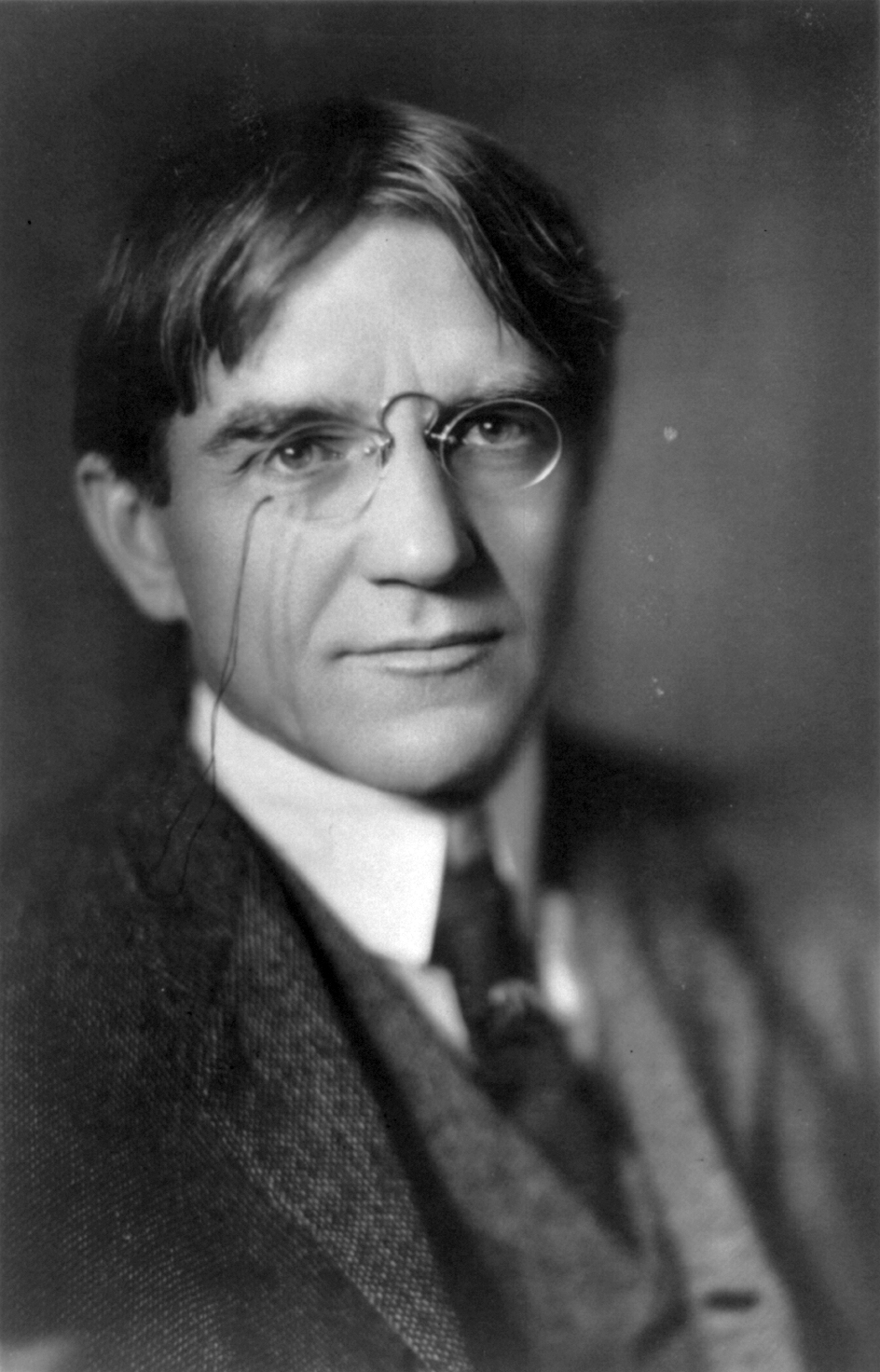
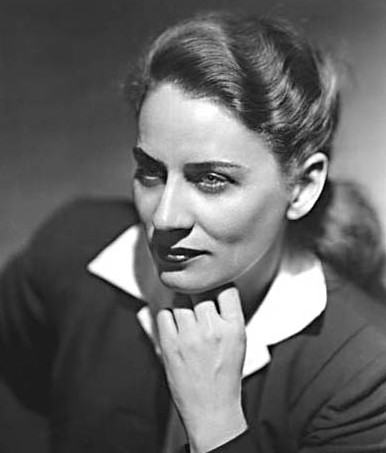
Examples of influential figures include Charles Sangster and other early poets, novelists such as Mordecai Richler, and internationally known authors like Saul Bellow (born in Canada, often associated with North American letters), Margaret Atwood, Michael Ondaatje and Alice Munro, whose short fiction has received wide acclaim, including a Nobel Prize in Literature. These writers represent a variety of styles and preoccupations—from social satire and historical reimagining to lyrical prose and compressed stories.
Beyond individual fame, Canadian literature is important for how it records social change, explores multicultural realities, and preserves Indigenous languages and narratives. Academic study and public reading cultures in Canada continue to debate and celebrate what national literature means in a multilingual, postcolonial context.
French Canadian and Indigenous literatures
French Canadian (Québécois) literature constitutes a major branch with its own history, publishers and themes, often engaging language, sovereignty and cultural survival. Indigenous literatures—written and oral—assert distinct legal and spiritual relationships to land, community and storytelling practice. Both strands complicate simple definitions of national literature and strengthen the diversity of Canadian letters.
Tags
Related articles
Author
AlegsaOnline.com Canadian literature: an overview Leandro Alegsa
URL: https://en.alegsaonline.com/art/16470