
Air Niugini — Papua New Guinea's flag carrier
Air Niugini is the national airline of Papua New Guinea, founded in 1973. Based at Port Moresby, it serves domestic and regional routes and recovered from 1990s difficulties to return to profitability.
Overview
Air Niugini is the national airline of Papua New Guinea. It operates scheduled passenger and cargo services that connect the country's many islands and rugged interior with regional destinations. The carrier plays a central role in domestic mobility, medical evacuations and the supply of goods to remote communities.
Image gallery
10 Images


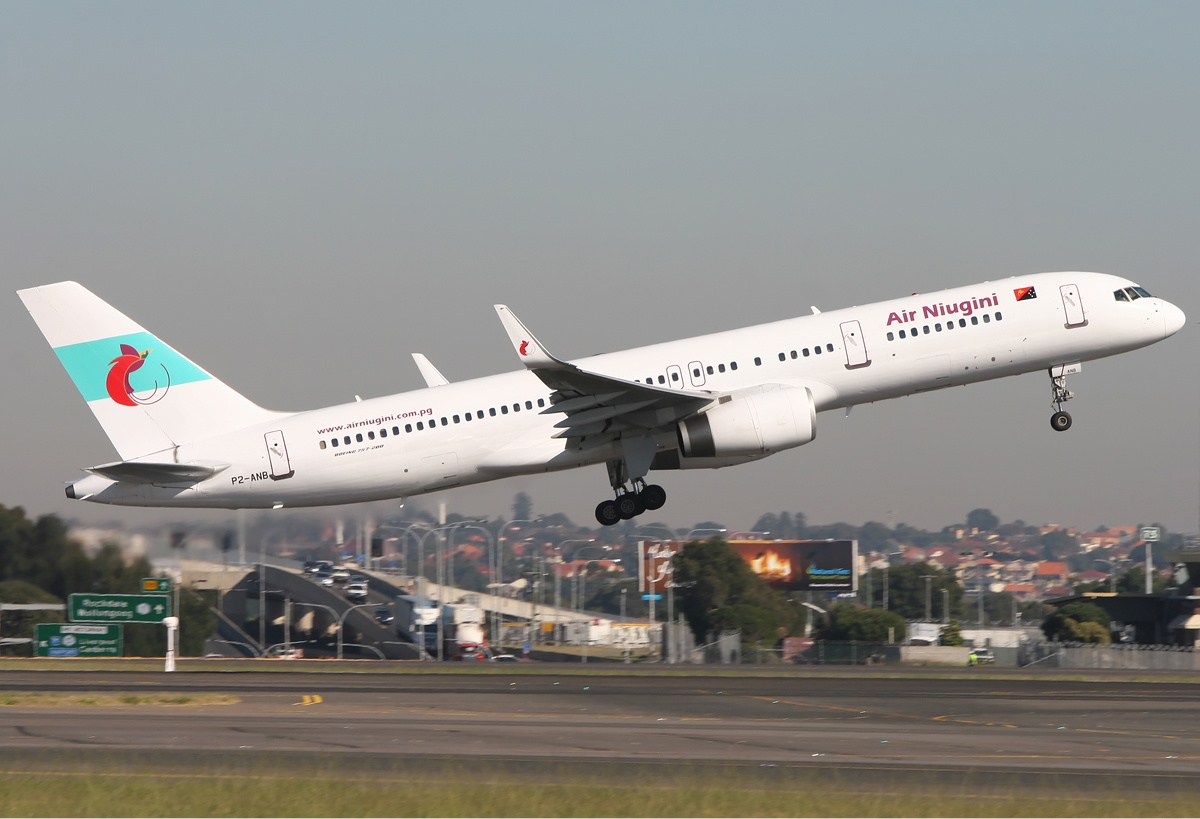

Hub and operations
The airline's main base is at Port Moresby Airport, from which it runs both short island hops and longer regional services. Air Niugini was founded in 1973, and it began scheduled services to Australia in 1975. Its network blends domestic routes that are often short and frequent with less frequent international flights to nearby countries.
History and development
The airline expanded through the 1970s and 1980s, acquiring larger aircraft to serve higher-capacity routes. A notable milestone was the introduction of its first widebody jet in 1984. Like many national carriers, Air Niugini encountered serious financial and operational pressures during the 1990s. To stabilize the company the government (state) intervened and the carrier implemented workforce reductions (job cuts) and lower pay scales (wage reductions). These measures, together with cost control and restructuring, helped the airline improve its finances and in 2003 it recorded a return to profit after several difficult years.
Network and fleet
As of mid‑decade reports the carrier served around 35 cities and operated a mixed fleet of short‑haul turboprops and jet aircraft to match diverse route demands. The fleet composition adapts to Papua New Guinea's geography: smaller, rugged-field–capable aircraft for remote strips and larger jets for trunk routes to the capital and international markets. Fleet size and destinations have varied over time in response to commercial demand and economic factors.
Role and distinctions
Air Niugini is more than a commercial operator: it is a vital public service that sustains economic links and emergency response capability across a dispersed island nation. The carrier's history illustrates common themes for small flag carriers — rapid early expansion, vulnerability to market shifts, government involvement, and the need for periodic restructuring to remain viable.
Further notes
- Founding and early expansion: 1973 foundation and growth through the 1970s and 1980s.
- International services: initiation of flights to Australia in 1975.
- Key milestones: first widebody arrival in 1984.
- 1990s restructuring: government support (state action), job reductions, and wage changes leading to profitability in 2003.
- Reported scope around 2016: service to about 35 cities with a fleet in the low tens to a few dozen aircraft.
Questions and answers
Q: What is Air Niugini?
A: Air Niugini is the flag carrier airline of Papua New Guinea.
Q: Which airport is Air Niugini's main hub?
A: Air Niugini's main hub is Port Moresby Airport.
Q: When was Air Niugini founded?
A: Air Niugini was founded in 1973.
Q: When did Air Niugini start its flight to Australia?
A: Air Niugini started its flight to Australia in 1975.
Q: When did Air Niugini get its first widebody airplane?
A: Air Niugini got its first widebody airplane in 1984.
Q: Why did Air Niugini need help in the 1990s and how did it get help?
A: The 1990s were tough times for Air Niugini, and it needed help to survive. The government helped the airline by cutting jobs and lowering wages.
Q: How many cities does Air Niugini fly to and how many airplanes does it have as of 2016?
A: Air Niugini flies to 35 cities and has 33 airplanes as of 2016.
Related articles
Author
AlegsaOnline.com Air Niugini — Papua New Guinea's flag carrier Leandro Alegsa
URL: https://en.alegsaonline.com/art/1643
Sources
- airlinercafe.com : "AIRLINERCAFE.COM - Forums - Lost Schemes: #33 Air Niugini F28 Mk 1000 (1981)"
- michie.net : "The unofficial History of Air Niugini. The National Carrier of Papua New Guinea"
- airniuginiparadise.com : "Paradise – Air Niugini's in-flight magazine"