
Air Seychelles
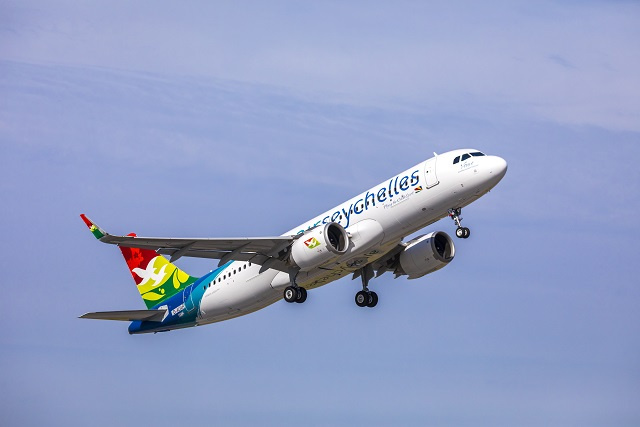
Air Seychelles is the national airline of the Republic of Seychelles, providing domestic, regional and international air services from its hub on Mahé. Founded in 1978, it supports tourism and inter-island connectivity.
Overview
Air Seychelles is the flag carrier airline of the island nation of Seychelles. Established as a government-supported carrier, it operates scheduled passenger and cargo services from its primary base at Seychelles International Airport on the island of Mahé. The airline has long played a central role in linking the archipelago internally and connecting it with regional and long-haul markets.
Image gallery
9 Images


History and development
The company began operations in 1978 and expanded its scope during the early 1980s. In 1983 it inaugurated long-haul international links including services to Frankfurt and London, marking a move from purely domestic and regional flying to scheduled intercontinental routes. Over subsequent decades the airline has adjusted its network and business model in response to tourism demand, economic conditions, and partnerships with other carriers.
Operations and fleet
Air Seychelles operates a compact fleet suited to the mix of short inter-island hops and longer international sectors. The carrier uses both jet and turboprop aircraft types to serve its varied routes. It offers scheduled services, seasonal and charter flights, and codeshare or partnership arrangements that extend its reach beyond directly operated destinations. As a small national airline it has periodically restructured capacity to balance demand and operating costs; for example, in the mid-2010s it reported operation to a limited number of cities with a modest fleet size.
Network and role
The airline’s route map has combined domestic hops between islands with international connections to Africa, the Middle East and Europe. Tourism is the primary driver of passenger traffic: Air Seychelles acts as a gateway for visitors and an essential link for residents, freight and medical transport. Its hub on Mahé enables coordinated connections and supports the broader transport infrastructure of the nation.
Notable facts and distinctions
- Founded in 1978 and developing international services by the early 1980s, the airline helped open Seychelles to global tourism.
- It has engaged in strategic partnerships with larger carriers to extend connectivity and improve operations; such collaborations influenced its fleet and route strategies in the 2010s and beyond (international routes).
- As a small island flag carrier, it illustrates common challenges and benefits faced by national airlines: essential public service, seasonal demand, and reliance on tourism.
Taken together, Air Seychelles remains a central transport provider for the Republic of Seychelles, balancing its role as a public-facing national carrier with commercial pressures and opportunities produced by global travel trends.
Related articles
Author
AlegsaOnline.com Air Seychelles Leandro Alegsa
URL: https://en.alegsaonline.com/art/1649
Sources
- airseychelles.com : Offices & GSAs head Office
- commons.wikimedia.org : Air Seychelles