
Air Jamaica — Jamaica's former national airline
Air Jamaica was Jamaica's national carrier, operating scheduled flights from Kingston and Montego Bay across the Caribbean, North America and the UK before being merged into Caribbean Airlines.
Overview
Air Jamaica was the national airline of Jamaica, operating scheduled passenger services from its main bases in Kingston and Montego Bay. It connected the island with destinations across the Caribbean, the United States, Canada and the United Kingdom. Its principal airports included Norman Manley International, often cited by its code KIN, and Sangster International in Montego Bay.
Image gallery
8 Images




Characteristics and operations
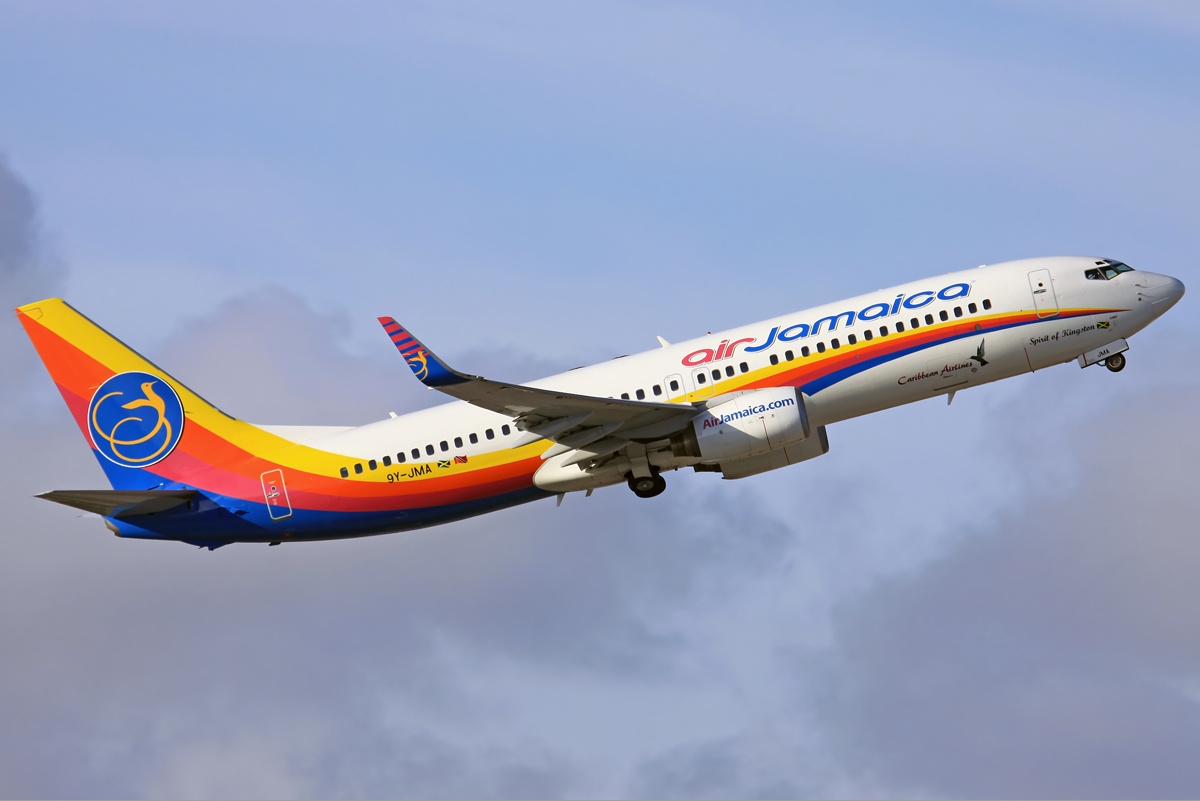
The airline operated a mix of short-haul and medium-haul services, combining international routes with regional connections that supported tourism and business travel. Its operational structure featured hub-and-spoke patterns centered on Kingston and Montego Bay, and it provided scheduled passenger service as well as charter and occasional cargo flights. The airline’s brand and livery were widely recognized across Jamaica and the Caribbean.
History and development
Established as the country's flag carrier, Air Jamaica grew to become a visible national symbol and a practical link between Jamaica and overseas markets. Over decades it adapted to changing market conditions, including competition from international carriers, shifts in tourism demand and economic pressures. In the early 21st century the airline faced financial challenges and restructuring efforts that led to changes in ownership and ultimately its integration into a larger regional carrier.
Uses, importance and legacy
Air Jamaica played a major role in promoting Jamaica’s tourism industry by providing direct connections for visitors and the Jamaican diaspora. It also supported air links for trade, cultural exchange and sporting events. Although it no longer operates independently, its legacy persists in the country’s aviation history and in the memories of passengers who flew on its routes.
Notable facts and distinctions
- The airline’s main bases were Norman Manley International Airport (KIN) in Kingston and Sangster International Airport in Montego Bay.
- Its network combined regional Caribbean links with transnational services to North America and Europe.
- As a national carrier, it carried symbolic as well as economic importance for Jamaica and its international relations.
For broader context about Caribbean aviation and regional carriers, consult sources that cover airline histories and the development of air services in the region. Further reading and archival material may be available through national transport authorities and aviation history collections.
Related entries: national airline background, regional hub operations and the role of flag carriers in tourism and trade.
Related articles
Author
AlegsaOnline.com Air Jamaica — Jamaica's former national airline Leandro Alegsa
URL: https://en.alegsaonline.com/art/1633