
Cameron County, Texas
Cameron County is the southernmost county in Texas, with Brownsville as its county seat. It borders the Gulf of Mexico and Mexico, has a largely Hispanic population, and hosts ports, wildlife refuges, and cross‑border commerce.
Overview
Cameron County lies at the southern tip of the U.S. state of Texas. In 2020 the county recorded a population of 421,017 people. Its administrative center and largest city is Brownsville, identified here as the county seat. The county occupies a strategic location along the lower Rio Grande and the Gulf of Mexico.
Image gallery
5 Images


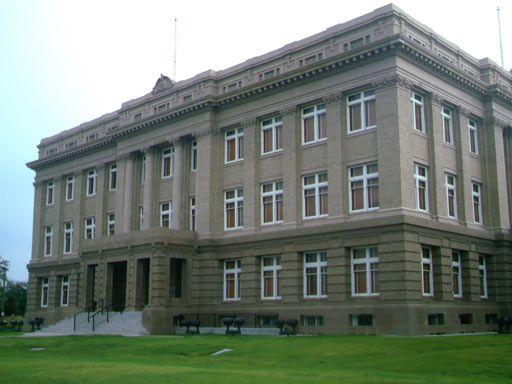
Geography and environment
Cameron County includes coastal plains, estuarine shoreline and subtropical habitats. It shares an international boundary with the Mexican city of Matamoros across the Rio Grande. The county contains important natural areas, including national wildlife refuges and coastal wetlands that support birdlife, fisheries and recreational uses.
History and governance
The county was organized during the 19th century and was named for a figure associated with the early Republic of Texas. Cameron County is governed by elected county officials who manage local services, law enforcement and infrastructure for a mixture of urban, suburban and rural communities.
Economy and transportation
The local economy depends on a mix of international trade, shipping, agriculture, tourism and services. The Port of Brownsville and several international border crossings support cross‑border commerce. Road and rail connections link the county to regional markets, and there are growing activities around coastal development and energy.
Demographics and culture
The county has a large Hispanic and Latino population and a bilingual cultural landscape shaped by ties across the border. Communities in Cameron County celebrate regional festivals, maintain traditions tied to both sides of the border, and rely on bilingual institutions in education and public life.
Notable features
- Port facilities and international bridges that connect the U.S. and Mexico.
- Coastal and estuarine conservation areas important for migratory birds and fisheries.
- Proximity to coastal recreation and emerging space launch activity near Boca Chica.
- Brownsville as a historical, cultural and economic hub of the county.
For further information on administration, services and local attractions consult county and state resources or visit local institutions and parks to learn about the region's natural and cultural heritage.
Related articles
Author
AlegsaOnline.com Cameron County, Texas Leandro Alegsa
URL: https://en.alegsaonline.com/art/16312