
Calm: meaning, traits, history, and uses
Comprehensive overview of the adjective 'calm': definitions, characteristics, historical origin in Romance languages, everyday uses, related terms, and cultural notes.
Calm commonly describes a state of quiet, lack of disturbance, or absence of agitation. It applies to people (a calm demeanor), environments (a calm room), and natural conditions (calm weather or a calm sea). The term often conveys stability, low activity, and reduced sensory input or emotional intensity.
Image gallery
2 Images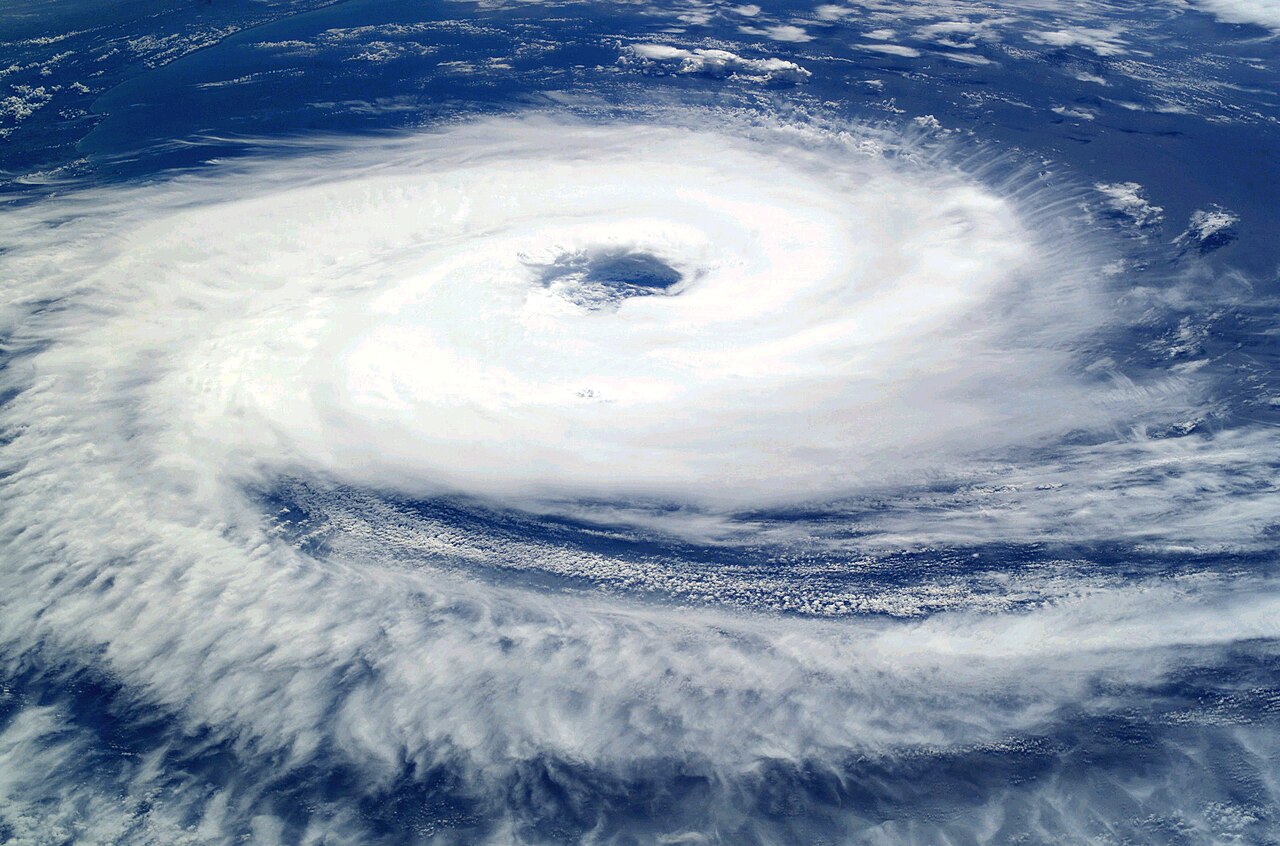

Characteristics and contexts
When applied to weather or the sea, calm denotes little or no wind and smooth surfaces; sailors use it to contrast with rough or stormy conditions. For people it indicates composure and steadiness under pressure. In psychology and medicine the word can describe lowered physiological arousal (slower heart rate, relaxed muscles) and is associated with reduced anxiety.
History and linguistic origin
The modern English adjective arrived through Romance languages. It is related to French calme, Spanish calma, Portuguese calma, and Italian calma. Many reference works and dictionaries provide standard definitions and usages (see definition). Historical senses emphasized physical stillness (as in sea and weather) before extending metaphorically to mood and behavior; the term also appears in nautical and meteorological contexts (weather usage).
Uses and examples
- Weather report: "The forecast predicts calm conditions overnight."
- Maritime: "The sea is calm, with nearly flat swells."
- Personal: "She remained calm during the emergency."
- Therapeutic: relaxation exercises aim to produce a calm state.
Calm is also used figuratively in literature and arts to evoke peace, balance, or a temporary lull. It appears in compound phrases (e.g., calmness, stay calm) and antonyms include agitated, turbulent, and chaotic.
Distinctions and notable facts
Not all quiet situations are calm: a tense silence may be quiet but not calm. Calm implies both low activity and an absence of strong negative emotion. Recognizing the distinction helps in fields as varied as weather forecasting, conflict resolution, and clinical practice. For further reading on usage and comparisons, consult general language resources and specialized glossaries (dictionaries and meteorology guides).
Tags
Related articles
Author
AlegsaOnline.com Calm: meaning, traits, history, and uses Leandro Alegsa
URL: https://en.alegsaonline.com/art/16182
Sources
- commons.wikimedia.org : Calm (wind)