
Callao — Peru's principal seaport and constitutional province
Callao is the chief seaport of Peru and a constitutional province adjoining Lima. It is a major maritime hub, transport gateway and coastal district with historical fortifications and vibrant port economy.

Callao is the primary maritime gateway for Peru, functioning both as the country's busiest seaport and as a distinct constitutional province contiguous with the capital, Lima. Its urban area includes residential neighborhoods, industrial docks and transport facilities that connect Peru to international trade routes. The port and surrounding infrastructure shape much of the province's economy and identity.
Image gallery
10 Images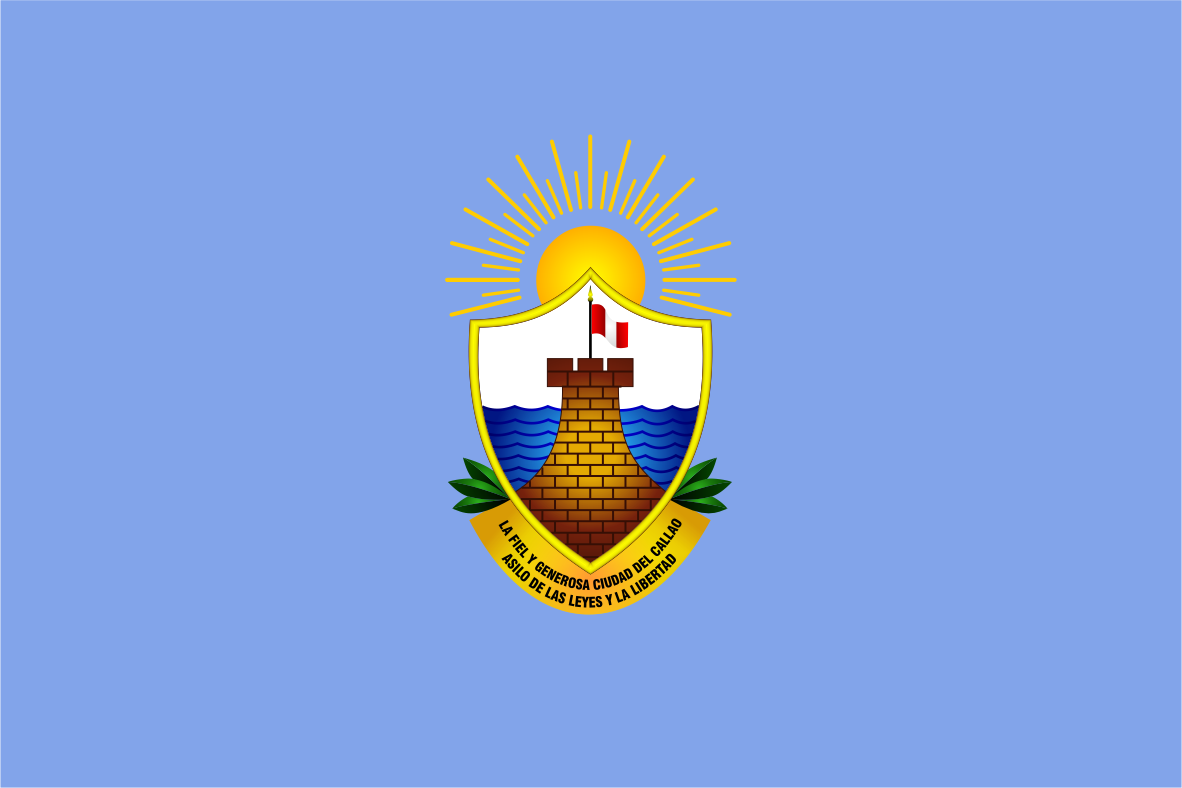




Geography and administrative profile
Callao occupies a small coastal territory directly west of Lima. The province contains several urban districts and coastal zones that extend from older colonial neighborhoods to modern container terminals. Because of its role as a port city, land use mixes commercial shipping areas, fishing piers and airport and naval installations.
History and development
Callao's origins trace back to the Spanish colonial period when it served as Lima's access point to the Pacific. The town's defensive works and maritime facilities were expanded over centuries, and it witnessed naval engagements, blockades and economic shifts as global trade patterns changed. Several historical fortifications and military sites date to the colonial and early republican eras, reflecting Callao's strategic importance.

Economy, transport and infrastructure
The Port of Callao is Peru's leading cargo port, handling containerized freight, bulk goods and fishing products. It serves commercial shipping lines and is equipped with terminals that support imports and exports. Callao also hosts the country's main international airport, which acts as the principal air gateway for Lima and surrounding regions. A naval base and related maritime services contribute additional economic activity.
Culture, landmarks and significance
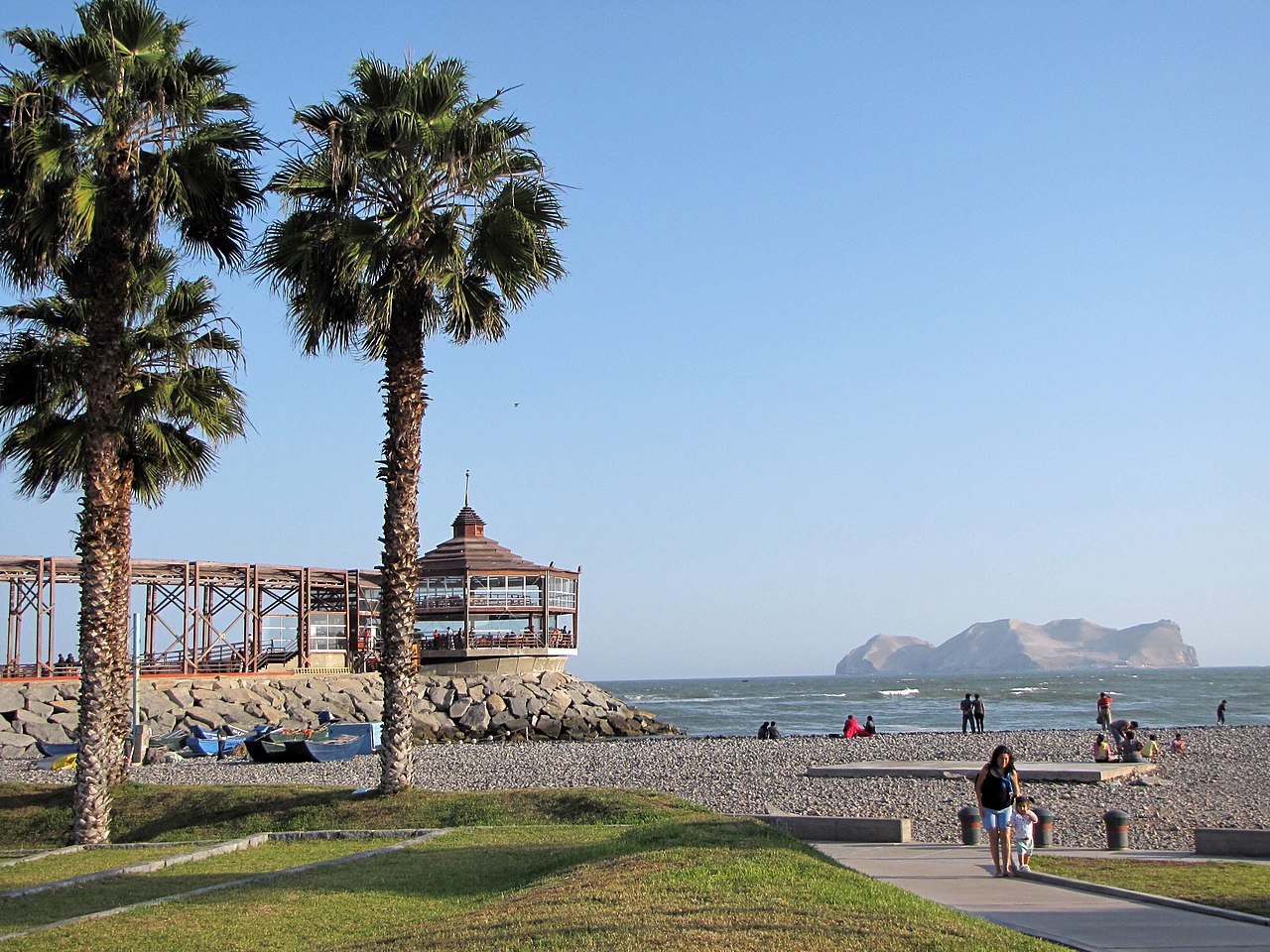
Callao preserves several notable landmarks and cultural traditions: colonial-era fortifications and the coastal promenades, a strong maritime and fishing heritage, and vibrant local music and festivals with connections to Afro-Peruvian traditions. Visitors and residents frequent markets, seafood restaurants and waterfront districts that reflect the city's seafaring character.
Notable districts and sites
- Major districts include the historic port town and adjacent neighborhoods with residential and industrial zones.
- Key sites: colonial fortifications, naval facilities, container terminals and the international airport.
- Economic role: national hub for maritime trade, fisheries and logistics.
Today, Callao remains central to Peru's connections with global commerce and transport while retaining a distinct civic identity shaped by its coastal geography and maritime history.
Tags
Related articles
Author
AlegsaOnline.com Callao — Peru's principal seaport and constitutional province Leandro Alegsa
URL: https://en.alegsaonline.com/art/16169