
Cajamarca Region, Peru
Highland region in northern Peru known for Andean landscapes, colonial history, indigenous culture, agriculture and mining; capital is the city of Cajamarca on the Ecuadorian frontier.
Overview

Image gallery
3 Images

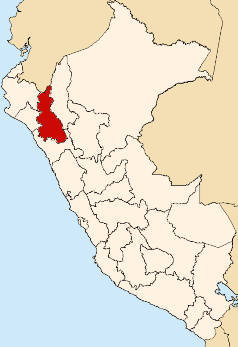
Geography and environment
The landscape alternates between high puna grasslands, terraced agricultural valleys and pockets of moist montane forest. Rivers originating in the highlands feed larger Amazon and Pacific watersheds, and there are thermal springs and scenic lagoons. The region's position on the northern frontier is noted on regional maps and summaries (regional overview), and it directly connects to neighboring countries such as Ecuador by road corridors and mountain passes.
History and heritage
Cajamarca is historically important in the encounter between the Inca state and Spanish conquerors: the capture of the Inca ruler Atahualpa occurred in the vicinity of the city after the arrival of Spanish forces in the early 16th century. The city preserves colonial churches, plazas and archeological sites that reflect pre-Hispanic and colonial layers of settlement. The provincial capital is also described in many national references about Peruvian cities (Cajamarca city).
Economy and land use
Economic activity mixes agriculture, livestock, artisanal production and large-scale mining. Farmers grow tubers, cereals and fodder; dairy and cattle rearing are important in the high valleys. The region also hosts major mining operations, notably large gold and base-metal projects that have shaped local employment and environmental debates. Trade routes link the region to coastal and Amazon markets, as well as international connections through border crossings.
Culture, tourism and notable facts
Local culture blends Quechua-speaking Andean traditions with Spanish influences: music, religious festivals, artisan markets and typical foods draw both domestic and international visitors. Attractions include colonial architecture, archeological sites, thermal baths and mountain scenery. Visitors can consult travel and cultural resources for practical information (Peru travel info).
Administrative structure and regions within
Administratively the region is divided into several provinces and districts that manage local services, education and infrastructure. Typical regional planning emphasizes rural development, conservation of cloud forests and improvement of transport links. For governmental and regional planning resources see official links and summaries (regional office).

- Major themes: Andean agriculture, mining, colonial heritage.
- Languages: Spanish and indigenous languages such as Quechua.
- Access: by road from Peru's coast, highland routes towards Ecuador.
Related articles
Author
AlegsaOnline.com Cajamarca Region, Peru Leandro Alegsa
URL: https://en.alegsaonline.com/art/16000