
Cagnicourt, commune in Pas-de-Calais, northern France
Cagnicourt is a small commune in the Pas-de-Calais department of northern France. This article summarizes its location, local features, historical background, economy and points of interest.

Cagnicourt is a rural commune in the north of France, situated in the Pas-de-Calais department. Administratively it is one of many small municipalities that make up the French local government structure; see the entry for a commune for general context. The area was formerly part of the historic region called Nord-Pas-de-Calais and today lies within the larger Hauts-de-France region; the department itself is identified at Pas-de-Calais.
Image gallery
2 Images
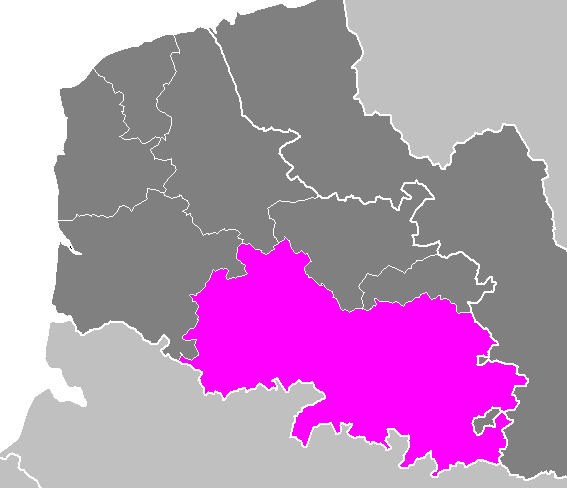
Overview and geography
Cagnicourt occupies a mainly agricultural landscape typical of northern France, with fields, small woodlands and low-rise village housing. It is connected by local roads to neighboring villages and communes and serves as a local center for farming families and rural life. For general regional information see Nord-Pas-de-Calais region and for departmental background consult resources at department level.
History
Like many communities in Pas-de-Calais, Cagnicourt has a history shaped by agriculture and by the major European conflicts of the 20th century. The First World War in particular affected this part of northern France; traces of that past are reflected in local memorials and in the layout of village cemeteries and monuments. Visitors often note war memorials and small museums in nearby towns that document the regional experience.
Local life and economy
The local economy is dominated by farming, with a mixture of arable crops and pastoral uses. The commune offers essential municipal services centered on the town hall and community facilities; cultural life tends to revolve around annual festivals, religious observances and community gatherings. Practical administrative links and statistical data are commonly available through national and departmental platforms such as official repositories.
Notable features and visiting
- Traditional village church and mairie (town hall)
- War memorials and commemorative sites
- Scenic rural roads suited to cycling and walking
Cagnicourt exemplifies the many small French communes that preserve rural heritage and local traditions while being part of broader regional structures. It is representative of northern French countryside communities that attract visitors interested in history, quiet landscapes and local culture.
Tags
Related articles
Author
AlegsaOnline.com Cagnicourt, commune in Pas-de-Calais, northern France Leandro Alegsa
URL: https://en.alegsaonline.com/art/15970