
Cache Creek, British Columbia
Cache Creek is an incorporated village in Thompson Country, BC, at the junction of the Trans‑Canada Highway and Highway 97; historically named for a fur‑trade cache and serving as a regional transport hub.
Overview
Cache Creek is an incorporated village in the Interior of British Columbia. It sits within the Thompson Country region and functions as a small service centre for travellers and surrounding rural communities. The community is best known for its position on a major east–west highway and for a place name that reflects early trade activity.
Image gallery
4 Images
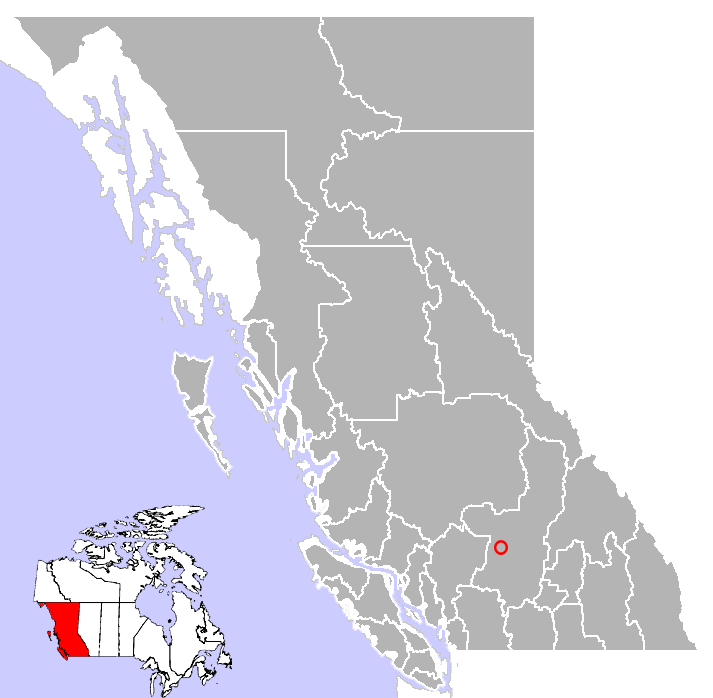


Location and access
The settlement lies directly on the Trans‑Canada corridor and is a short distance from several regional destinations. The village occupies a strategic spot on a historic transportation route and marks the junction where the northbound route toward the interior follows Highway 97. Because of this, Cache Creek has long served motorists, truckers and tourists as a convenient stopping point between larger centres.
Origins and name
The name Cache Creek refers to a buried supply or storage place, a trade goods depot that early travellers and commercial operators used to hide or preserve supplies. Local histories link that practice to the region's fur traders and to company activity in the area, with some accounts mentioning the Hudson's Bay Company among the possible operators of caches. The precise details of the original cache are part of oral and recorded local tradition rather than a single documentary record.
Population and character
Cache Creek is a small community; census records and local summaries have reported a population on the order of one thousand people in the early 2010s, and the village remains modest in size while providing a range of services that reflect its highway role. The population fluctuates seasonally with tourism and highway traffic. Unlike several neighbouring settlements, Cache Creek's location adjacent to the national highway gives it a somewhat different commercial profile than places set off the main road.
Economy, services and neighbouring communities
The local economy is oriented around highway‑related services: fuel, food, lodging and light commercial activity that supports long‑distance travel and regional agriculture. Cache Creek is often described in relation to nearby communities; for example, the nearby community of Ashcroft is frequently compared to Cache Creek because the two share regional ties but differ in immediate highway access. The village also acts as a gateway for recreational travel into nearby plateaus, rivers and ranchlands.
Notable facts and role today
- Cache Creek's name preserves a connection to the fur‑trade era and the practical practice of caching supplies.
- The village remains a functional junction on provincial and national road networks, contributing to regional mobility and tourism.
- As a small incorporated town, Cache Creek illustrates how transportation corridors shape settlement patterns in interior British Columbia.
- Local interpretation of history emphasizes its role in early trade and in servicing travellers along historic routes, a theme echoed in regional exhibits and accounts (village and transportation links).
For travellers and residents alike, Cache Creek combines a concise historical identity with a contemporary function as a rest and resupply point along one of Canada's principal highway arteries.
Related articles
Author
AlegsaOnline.com Cache Creek, British Columbia Leandro Alegsa
URL: https://en.alegsaonline.com/art/15886
Sources
- cachecreekvillage.com : "Council"
- www12.statcan.gc.ca : "Census Profile"