
C. N. Annadurai (Anna): Dravidian leader, writer and Tamil Nadu reformer
C. N. Annadurai (Anna) was an Indian orator, playwright and politician who founded the DMK and became the first Dravidian Chief Minister of the state renamed Tamil Nadu, serving 1967–1969.
Overview
Conjeevaram Natarajan Annadurai (commonly known as C. N. Annadurai or "Anna") was a prominent Indian political leader, writer and orator who played a central role in 20th‑century Tamil public life. He combined a literary career with political activism and is best known for founding a regional political movement that transformed politics in southern India. Annadurai served as chief minister of the state that he helped rename Tamil Nadu and is remembered for social reforms, mass communication through drama and cinema, and for articulating a Dravidian identity in electoral politics.
Image gallery
8 Images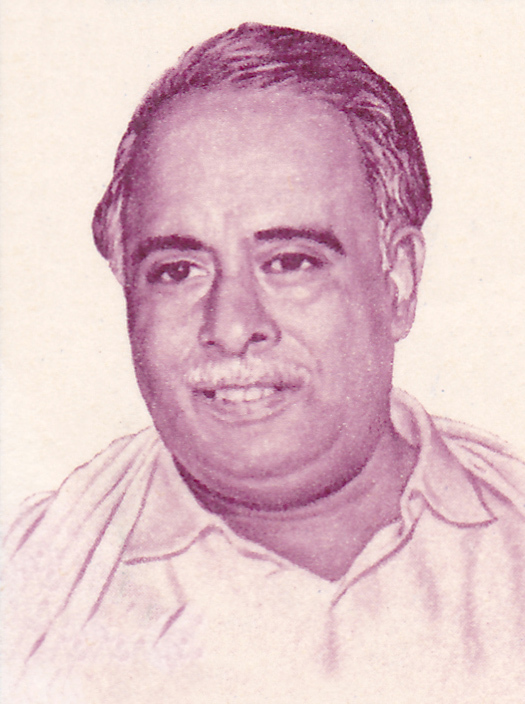



Early life and entry into public life
Born in the early twentieth century in the region historically called Conjeevaram (now Kanchipuram), Annadurai began his working life as a teacher and later turned to journalism and playwriting. He became involved in public debates and social reform movements in the Madras Presidency and drew influence from contemporary rationalist thinkers. Over time he moved from cultural activism into organized politics, seeking to address caste inequality, language policy and perceived centralising tendencies of national parties.
Political development and the Dravidian movement
Annadurai rose within the ranks of the Dravidar Kazhagam, a social movement that promoted anti‑caste and rationalist ideas. In the late 1940s, after differences in strategy and organisation, he and others established a separate political party to pursue electoral power and legislative change. That party, the Dravida Munnetra Kazhagam (DMK), combined regional pride, social welfare ideas and direct appeals to Tamil language and culture. Over two decades the DMK built a mass base through public speeches, theatre and, increasingly, cinema.
Chief ministership and key reforms
Annadurai led his party to a decisive victory in the 1967 state elections and became chief minister. His administration introduced several measures that reflected the movement's social priorities and linguistic emphasis. Notable initiatives included:
- Legal recognition for marriages conducted under the Self‑Respect movement, reducing reliance on traditional caste‑based ceremonies.
- A two‑language policy in state administration and schooling that emphasized the regional language while retaining practical use of English.
- The official renaming of the state to Tamil Nadu, signalling an assertion of Tamil linguistic and cultural identity.
Annadurai also used mass media and public performance as instruments of political communication, adapting theatrical and cinematic networks to spread his party's message. His career included periods of imprisonment, notably during protests against compulsory Hindi, which bolstered his profile among Tamil speakers.
Literary work, style and public image
Alongside politics Annadurai maintained an active literary persona. He wrote plays, essays and speeches noted for clear rhetoric, humour and appeals to popular sentiment. These compositions and his skill as an orator made him a widely imitated public figure; his plainspoken style earned him the affectionate title "Anna" (elder brother) among supporters. He and his party pioneered the use of cinema as a vehicle for political ideas in Tamil society, helping to bridge cultural production and electoral mobilisation.
Legacy and significance
Annadurai's sudden death in office after a short tenure as chief minister ended a period of rapid political change. His role in institutionalising Dravidian politics inaugurated a durable regional pattern in which language, social justice and state governance are closely linked. He is remembered both for policy measures that affected everyday social practices and for shaping the rhetorical and cultural tools used by later leaders. Public commemorations and the continued prominence of the party he founded attest to his lasting influence on the politics and cultural life of southern India and on the modern history of the state that now bears the name Tamil Nadu.
Context and distinctions
Annadurai's political trajectory is often contrasted with national parties of his time because he argued for regional autonomy, linguistic recognition and social reform rather than unquestioned central authority. His split from earlier ideological mentors reflected a decision to pursue electoral power through a separate party identity, rooted in Tamil language and culture rather than solely in social reform movements. For historical background on the era in which Annadurai began his public career, see references about the Madras Presidency, the administrative unit that preceded later state reorganisations.
Questions and answers
Q: Who was Conjeevaram Natarajan Annadurai?
A: He was an Indian politician who served as Chief Minister of Tamil Nadu from 1967 to 1969.
Q: What was Annadurai famous for besides politics?
A: He was known for his oration skills, dramas and literary works in Tamil.
Q: What was the significance of Annadurai being the Chief Minister of Tamil Nadu?
A: He was the first member of a Dravidian Party to hold that chief minister post.
Q: What did Annadurai do before he entered politics?
A: He worked as a school teacher and then became a journalist.
Q: Who was Periyar E. V. Ramasamy?
A: He was a leader of the Dravidian movement, which aimed to promote the rights and interests of people who spoke Dravidian languages in South India.
Q: What was the name of the new party that Annadurai formed?
A: He formed the Dravida Munnetra Kazhagam (DMK).
Q: What were some of the changes that Annadurai made during his time as Chief Minister?
A: He legalised Self-Respect marriages, enforced a two language policy and renamed Madras State to Tamil Nadu.
Related articles
Author
AlegsaOnline.com C. N. Annadurai (Anna): Dravidian leader, writer and Tamil Nadu reformer Leandro Alegsa
URL: https://en.alegsaonline.com/art/15781