
C. B. Fry: English all‑round sportsman, writer and public figure
Charles Burgess Fry (1872–1956) was a celebrated English all‑round sportsman who excelled at cricket, football, athletics and rugby, later becoming a writer, public figure and diplomat with a colourful public life.
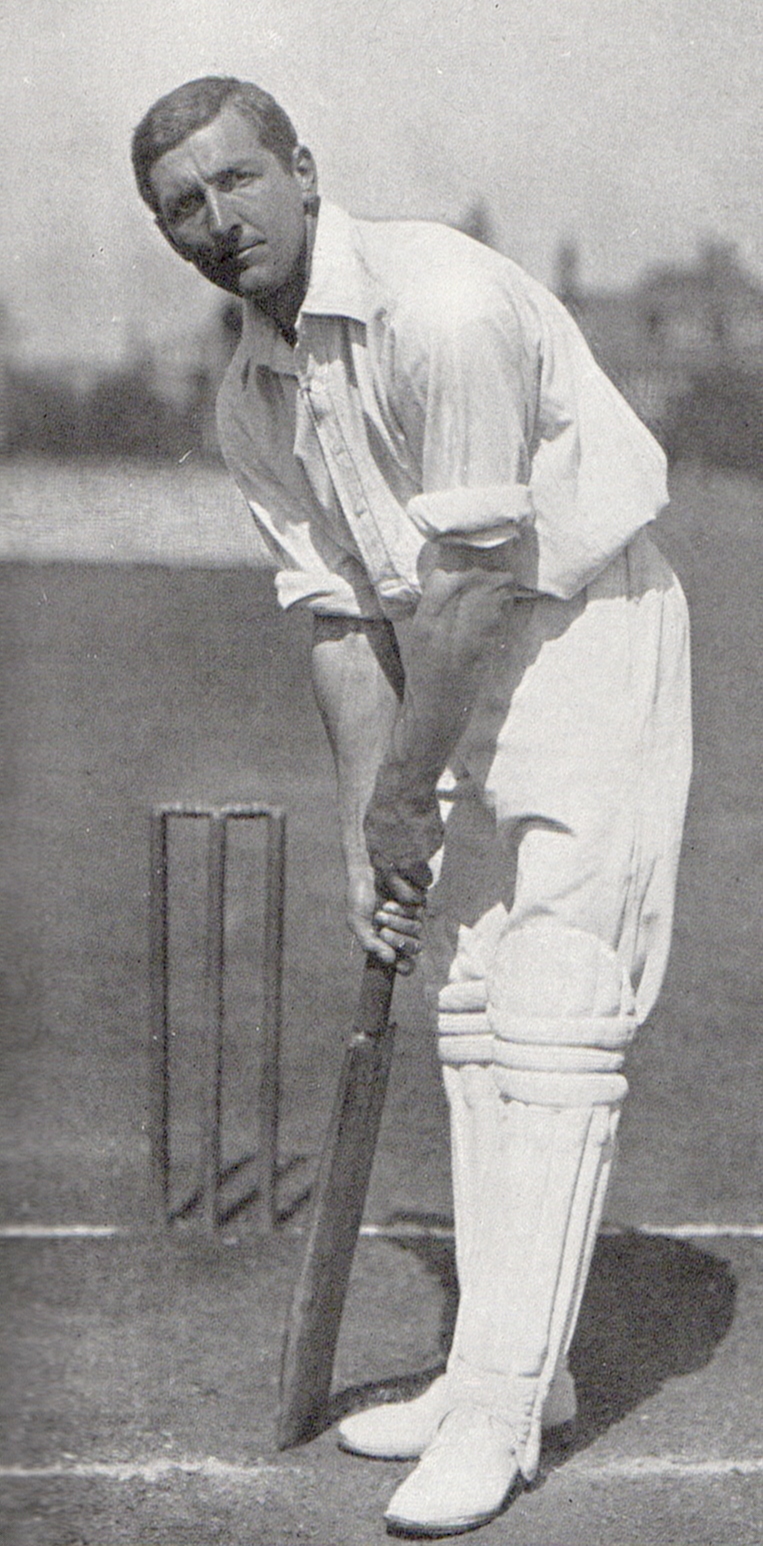
C. B. Fry (Charles Burgess Fry; 1872–1956) was one of England's best‑known all‑round sportsmen around the turn of the 20th century and later a prominent writer and public figure. He achieved high honours across several sports, gained public attention for his many‑sided career, and in later years worked in journalism and diplomatic roles.
Image gallery
9 Images





Sporting career and achievements
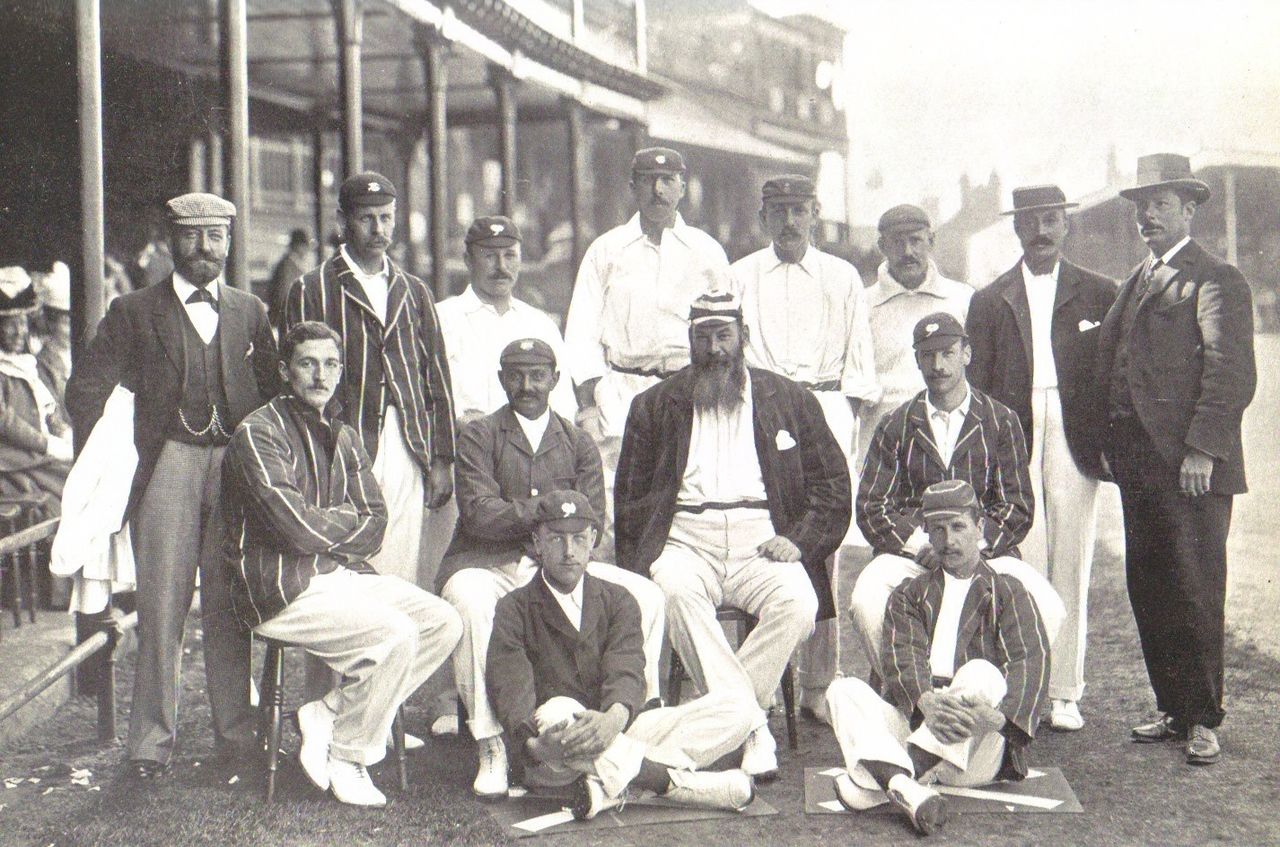
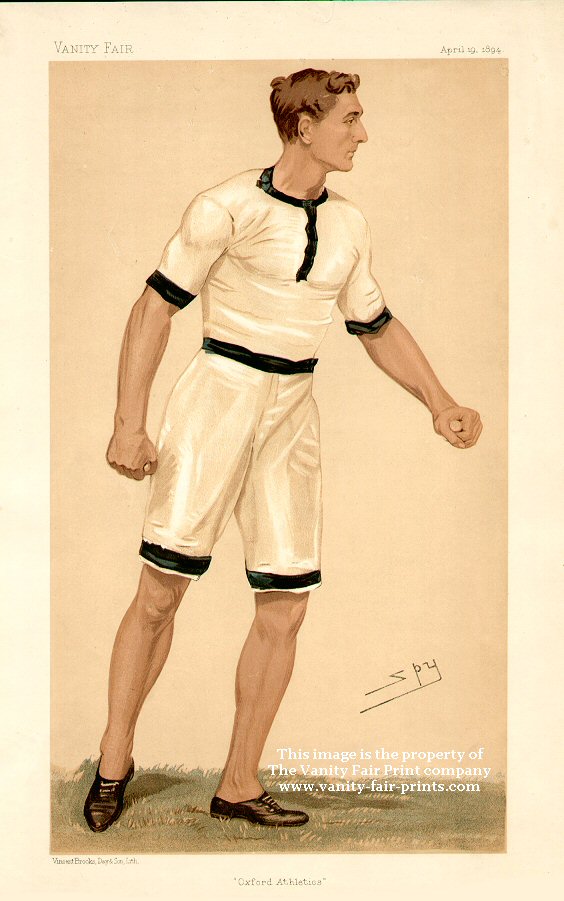
Fry combined success in team and individual sports. He was a leading figure in English cricket, representing top levels of the game and earning recognition for his batting and fielding. He also appeared in representative football matches for England and took part in a major domestic final during his playing career. In athletics he produced a long jump performance that was broadly accepted as a world‑best at the time and stood as a benchmark for years to come (long jump, record). He played rugby union as well, completing the picture of a rare multi‑disciplinary sportsman (rugby union).
Style, skills and roles
Fry was admired for technical skill, adaptability and sporting intelligence rather than sheer physical size. In cricket he was noted for elegant batting and reliable technique; in football his pace and understanding of the game earned selection at the highest level. As an athlete he combined speed and jumping ability, and his achievements in several codes made him a celebrated example of the Victorian/Edwardian amateur ideal.
Later life: writing, public service and diplomacy
After retiring from elite sport, Fry turned to public life. He worked as a writer and journalist, contributed to sporting and general publications, and held public and diplomatic posts at various times. His public profile led to several unusual episodes: among them a widely reported offer, which he declined, to become a monarch abroad — an episode often summarized as an invitation to accept the throne of Albania (Albania).
Legacy and notable facts
Fry is remembered as an exemplar of the all‑round sportsman. Modern sports historians cite him when discussing the era of talented amateurs who moved between sports at the highest level. Notable points include:
- High‑level achievements in cricket and representative honors in football.
- A long jump performance that was regarded as a world best for an extended period (athletics, distance).
- Activity in rugby union (rugby) and a reputation for sporting versatility.
- A public career as a writer and diplomat and the curious historical footnote of the Albanian throne offer (throne episode).
Seen today, C. B. Fry represents a period in British sport when amateurs could reach the top in several disciplines and later move into commentary, public service and international roles. His life continues to be cited in discussions about sporting versatility, the culture of amateurism, and the interplay between sport and public life in early 20th‑century Britain.
Related articles
Author
AlegsaOnline.com C. B. Fry: English all‑round sportsman, writer and public figure Leandro Alegsa
URL: https://en.alegsaonline.com/art/15776