
C. Aubrey Smith
English cricketer and character actor (1863–1948), noted for his commanding screen presence, Hollywood career, and role in promoting cricket among expatriates in California.
Sir Charles Aubrey Smith CBE (1863–1948) was an English cricketer turned stage and film actor whose tall, dignified bearing made him a familiar figure in British and Hollywood cinema. Born in London and educated at Charterhouse School and St John's College, Cambridge, Smith combined an early sporting life with a later career on stage and screen. Over several decades he developed a reputation for playing authoritative English gentlemen — military officers, aristocrats and diplomats — in both silent and sound pictures.
Image gallery
6 Images

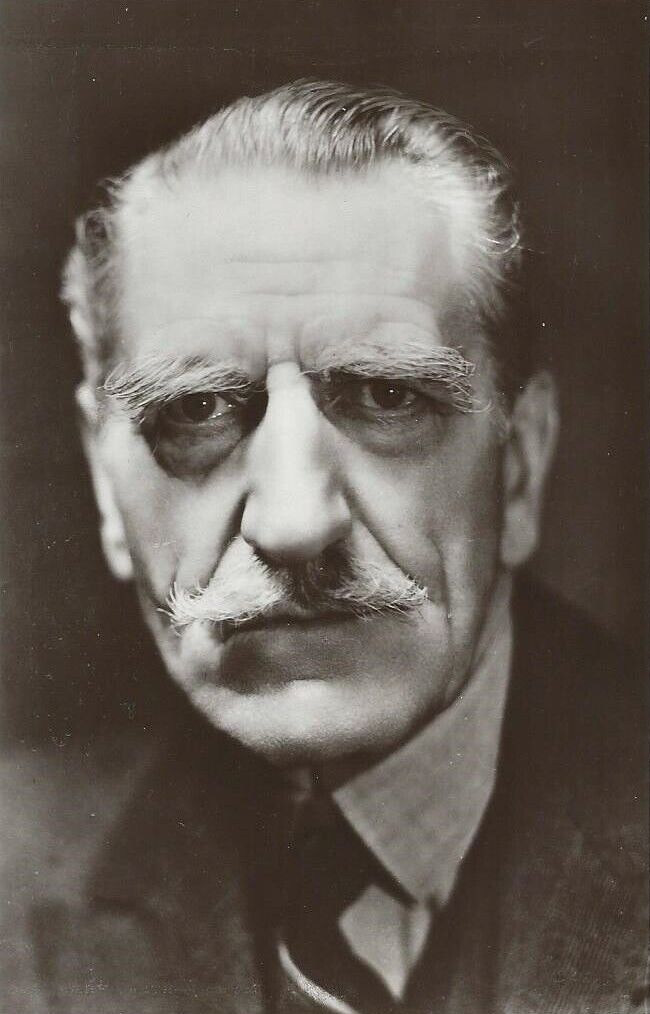

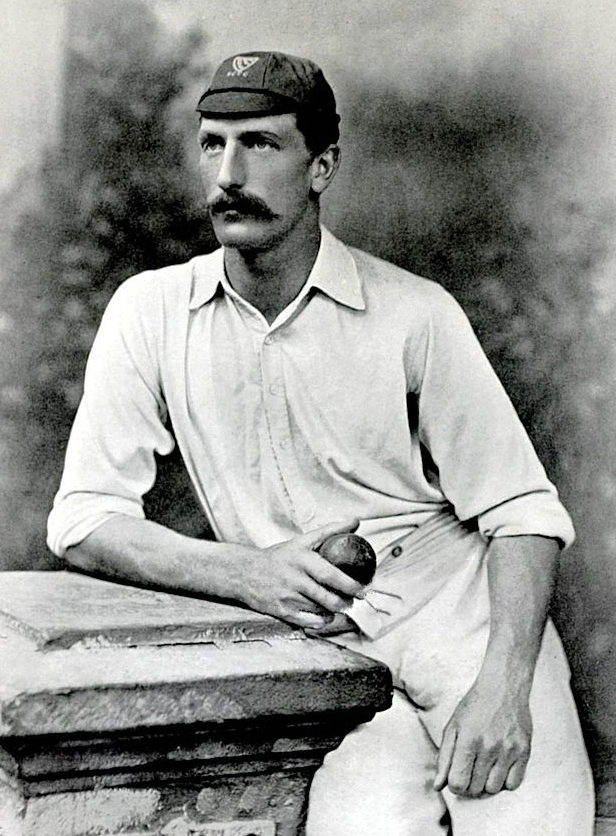

Early life and cricketing career
Smith's formative years included a strong involvement in cricket, the sport that first established his public profile. He played at school and university level and represented county sides in first-class matches. His cricketing background informed both his social circle and later activities, as he retained lifelong ties to the game and encouraged its practice among British expatriates. His education at Charterhouse and St John's College, Cambridge, also provided him with the classical training and elocution that proved valuable on the stage.
Stage and film career
After establishing himself on the stage in Britain, Smith moved into film work and eventually to the United States, where he became a prolific character actor. He frequently portrayed archetypal English figures, bringing gravitas and dry wit to supporting roles. Among the notable titles associated with him are adaptations of classic stories and popular studio pictures of the 1930s and 1940s. His screen presence made him a trusted performer for directors seeking an unmistakably British authority figure.
Legacy and influence
Beyond his screen roles, Smith is remembered for bridging two worlds: the late-Victorian English sporting tradition and the fast-growing Hollywood film industry. In California he helped foster a community for fellow countrymen and cricket enthusiasts, contributing to the informal social life of expatriates. He was honored in Britain with the postnominal CBE and used the title "Sir". Smith's career illustrates the transatlantic movement of talent between stage, sport and cinema in the early 20th century.
Selected facts and notable films
- Born: July 21, 1863, London.
- Died: December 20, 1948, Beverly Hills, California; cause listed as pneumonia; cremated and interred at St Leonard's Churchyard, Hove.
- Education: Charterhouse School; St John's College, Cambridge.
- Film highlights: He is remembered for roles in prominent studio films of the 1930s and 1940s, often playing dignified Englishmen in pictures such as And Then There Were None (1945) and other adaptations and dramas where his character work supported the leads.
- Personal life: Married to Isabella Wood from 1896 until his death; they had one child.
Further reading and resources
- Biographical overview and honors
- Cricket career and statistics
- Filmography and notable roles
- Birth and family background
- England and cultural context
- Education: Charterhouse and Cambridge
- Death and later life in California
- Circumstances of death and medical notes
- Burial site at St Leonard's, Hove
- Honors, titles and public recognition
This article summarizes widely known aspects of C. Aubrey Smith's life: his transition from sport to acting, his characteristic screen persona, and his cultural role in connecting British traditions with Hollywood society. For detailed statistics, complete filmography and archival materials consult specialist databases and the links above.
Related articles
Author
AlegsaOnline.com C. Aubrey Smith Leandro Alegsa
URL: https://en.alegsaonline.com/art/15761
Sources
- london-gazette.co.uk : Commanders of the Order of the British Empire
- cricketarchive.com : The Home of CricketArchive
- london-gazette.co.uk : Recipients of the Honour of Knighthood