
Buryatia — Republic in Eastern Siberia, Russian Federation
The Republic of Buryatia is a federal subject of Russia in Eastern Siberia, noted for its Mongolic cultural heritage, Lake Baikal shoreline, Ulan-Ude capital, and a mix of industry, agriculture and tourism.
The Republic of Buryatia is a constituent entity of the Russian Federation located in eastern Siberia. It is officially a federal subject of Russia and occupies territory to the southeast and east of Lake Baikal, sharing a long land frontier with Mongolia. The region is home to a blend of ethnic Russians and the indigenous Buryat people, a Mongolic group whose language and traditions remain important to the republic's identity.
Image gallery
10 Images





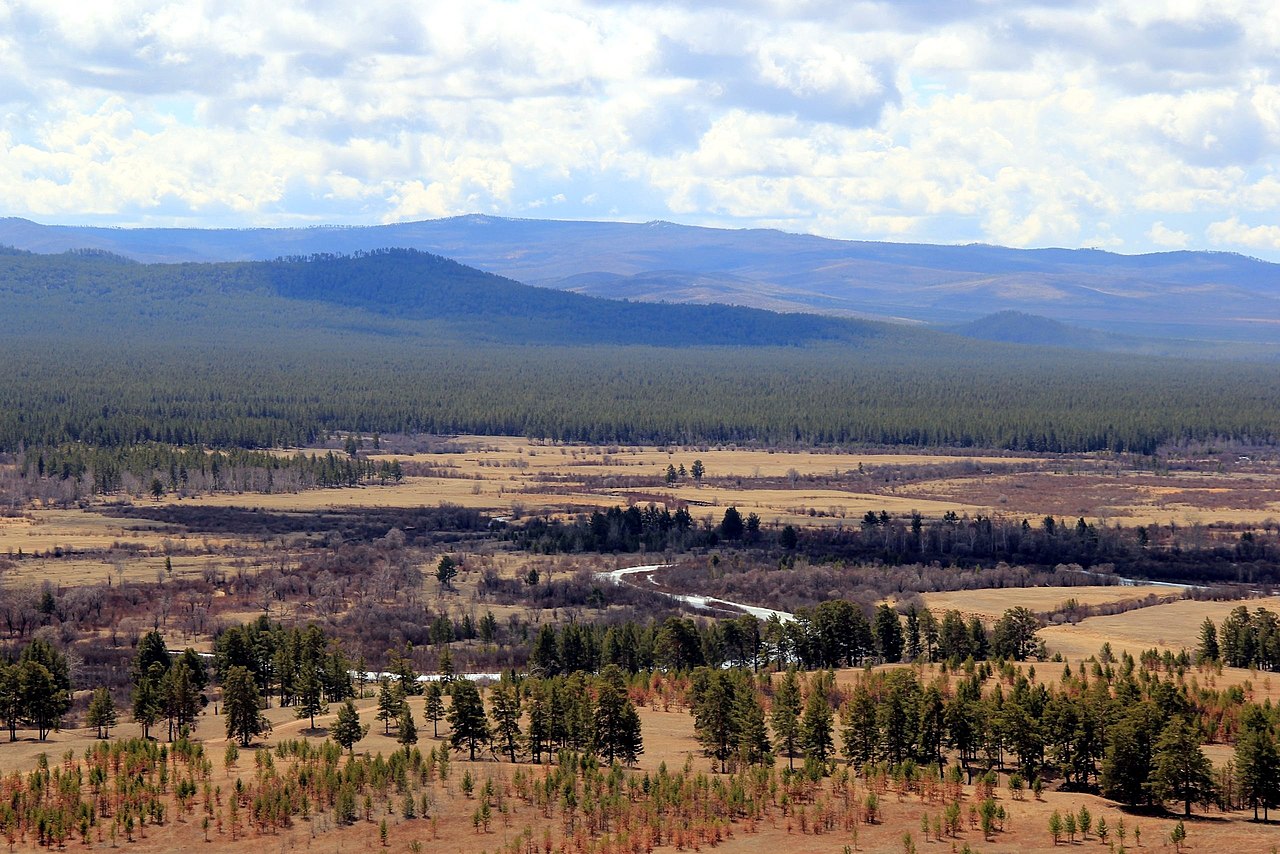


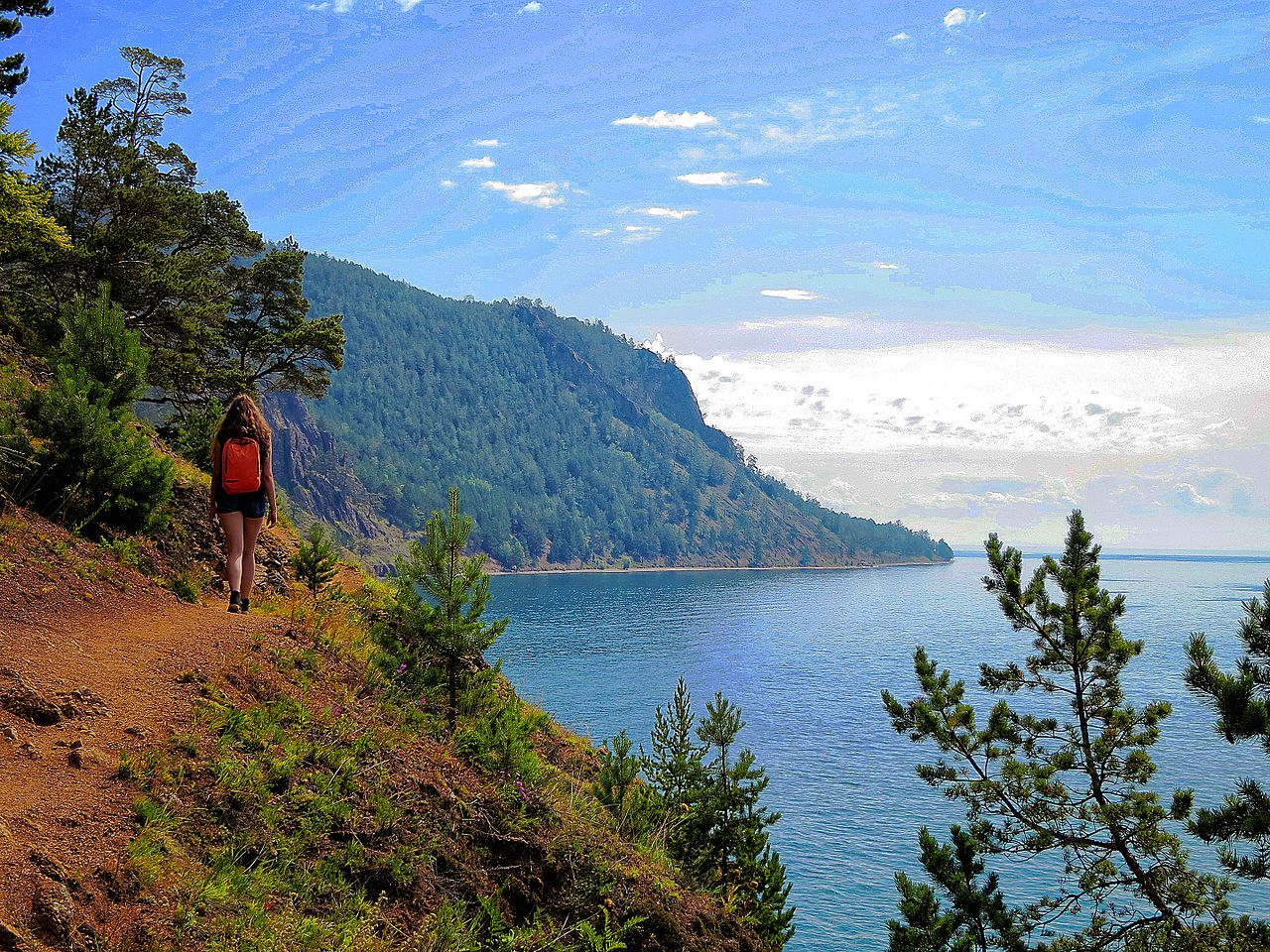
Geography and climate
Buryatia covers varied terrain that includes mountain ranges, river valleys and steppe. Its proximity to Lake Baikal influences local weather and ecology: parts of the republic reach the lake's eastern shoreline, while inland areas extend toward the Mongolian border. The climate ranges from sharply continental with cold winters to warm summers, with significant regional variation due to altitude and relief.
Population, languages and religion
The republic's population is mixed; ethnic Buryats and ethnic Russians are the largest groups. Russian is the main language of administration and public life, while the Buryat language is widely spoken in rural areas and taught in schools. Religious life includes Russian Orthodoxy, Tibetan Buddhism—represented by active monasteries such as the Ivolginsky Datsan—and indigenous shamanic practices that persist in rural communities.
History and administration
Buryat peoples have shared cultural and historical ties with neighboring Mongolic groups. Over centuries the area experienced interactions with Mongol polities and later incorporation into the Russian state. Under the Soviet Union it was organized as an autonomous republic; today it remains a republic with its own constitution and government institutions while forming part of the Russian federation. The administrative center and largest city is Ulan-Ude, a regional hub for government, education and transport.
Economy, transport and tourism
The economy combines mining, timber, agriculture and energy industries with urban manufacturing and services. Transport links include major rail and road corridors—most notably the Trans-Siberian Railway that serves Ulan-Ude—connecting Buryatia with other parts of Russia and neighboring states. Tourism is increasingly important: visitors come for the natural scenery around Lake Baikal, cultural festivals, winter sports and Buddhist sites.
Notable features and distinctions
- Lake Baikal proximity: Part of Buryatia's territory touches the shores of this globally significant freshwater lake, affecting ecology and tourism.
- Mongolic heritage: The Buryat people preserve language, crafts and traditions that reflect a Mongolic cultural background.
- Religious diversity: The republic is a point of contact between Tibetan Buddhism, Russian Orthodoxy and shamanic customs.
- Strategic location: Bordering Mongolia and linked by transcontinental transport routes, Buryatia occupies an important position in regional trade and travel.
For further administrative and geographic context, see entries on Russian federal subjects and Siberian regions: federal subject, Siberia. Additional resources on the republic's history, economy and cultural institutions are available through official regional publications and scholarly overviews.
Questions and answers
Q: What is Buryatia?
A: Buryatia is a federal subject in Russia.
Q: What is the location of Buryatia?
A: Buryatia is situated in the Siberian area of Russia.
Q: Is Buryatia governed separately or as part of a district?
A: Buryatia is governed as part of the Far Eastern District of Russia.
Q: How many other federal subjects are included in the Far Eastern District?
A: The Far Eastern District of Russia contains ten other federal subjects besides Buryatia.
Q: Does Buryatia share an international border with any other country?
A: Yes, Buryatia shares an international border with Mongolia.
Q: What language is commonly spoken in Buryatia?
A: Buryat is the most widely spoken language in Buryatia.
Q: What is the population of Buryatia?
A: According to the 2010 census, the population of Buryatia is approximately 984,000.
Related articles
Author
AlegsaOnline.com Buryatia — Republic in Eastern Siberia, Russian Federation Leandro Alegsa
URL: https://en.alegsaonline.com/art/15563
Sources
- rferl.org : Ruling Party Dominates Russian Elections Amid Low Turnout, Opposition Claims Strong Moscow Showing
- perepis2002.ru : "Территория, число районов, населённых пунктов и сельских администраций по субъектам Российской Федерации (Territory, Number of Districts, Inhabited Localities, and Rural Administration by Federal Subjects of the Russian Federation)"
- factsanddetails.com : "Buryats Facts and Details"
- britannica.com : "Buryat History"
- gks.ru : "Демографический ежегодник России"
- whc.unesco.org : "Lake Baikal"
- search.ebscohost.com : "Prospects for tourism development in economically depressed region (case study of the republic of Buryatia)"
- publication.pravo.gov.ru : "Официальный интернет-портал правовой информации"
- wikidata.org : wikidata.org/wiki/Q6809
- d-nb.info : 4009150-8
- musicbrainz.org : 51fdd4e4-6c11-46d4-8bec-0c7385d0f83d
- aleph.nkp.cz : ge128861
- viaf.org : 248946854
- worldcat.org : viaf-248946854