
Burg-Reuland (Belgium)
Burg-Reuland is a rural municipality in eastern Belgium's Liège province, part of the German-speaking Community. Known for its castle ruins, borderland landscapes and small-scale agriculture and tourism.

Overview
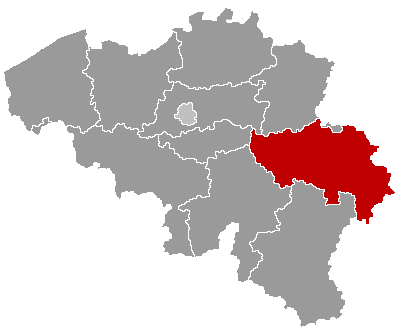
Burg-Reuland is a municipality in the province of Liège in eastern Belgium. It lies in the country’s border region where Belgian, German and Luxembourg influences meet, and it is one of the municipalities of the German-speaking Community. The municipality sits at about 50°11′ N, 6°08′ E and had roughly 3,957 inhabitants in 2007, often rounded to about 4,000 for reference.
Image gallery
2 Images
Landscape and character
The area is largely rural, with rolling hills, mixed forests and small villages. Agriculture, forestry and local services form the backbone of the local economy, while cross-border commuting and small-scale tourism add to economic life. The setting is typical of the Eifel-Ardennes transition, offering walking routes, quiet lanes and seasonal outdoor activities.
History and landmarks
Its most visible historic feature is the remains of Reuland Castle (Burg Reuland), a medieval stronghold whose ruins dominate the local skyline and attract visitors interested in regional history. The town and surrounding villages show layers of political and cultural change typical of the East Cantons—territories that shifted between states and administrations over centuries.
Administration and culture
Burg-Reuland functions as a local municipal authority; more information can be found on the municipality page. German is the official language in municipal affairs, reflecting membership in the German-speaking Community, and residents also commonly use French and other cross-border languages. See provincial context on the Liège province site and additional regional resources at regional information.
Visiting and notable facts
- Attractions include castle ruins, scenic rural trails and heritage churches.
- Its border location encourages cultural exchange and cross-border day trips.
- Local events and markets emphasize traditional crafts and foods.

For maps, statistics and practical visitor information consult official pages and regional guides, for example local resources.
Related articles
Author
AlegsaOnline.com Burg-Reuland (Belgium) Leandro Alegsa
URL: https://en.alegsaonline.com/art/15395
Sources
- statbel.fgov.be : Werkelijke bevolking per gemeente op 1 januari 2007 / Population de droit par commune au 1 janvier 2007 (.xls)
- statbel.fgov.be : Geografische coördinaten van de gemeenten (.xls)