
Burgess Hill: market town and commuter hub in West Sussex
Overview of Burgess Hill in West Sussex, England: location, history, transport links, economy, landmarks, governance and community life near the Sussex border.
Burgess Hill is a town in southern England, located primarily in West Sussex and lying close to the administrative boundary with England's county of East Sussex. It occupies a position within easy reach of larger centres: about 38 miles south of London and roughly 10 miles north of Brighton and Hove. The town is also some 29 miles east‑northeast of the county town of Chichester. At the 2001 census Burgess Hill recorded a population of 28,803; since then it has continued to develop as a local service centre and a residential base for commuters.
Image gallery
10 Images


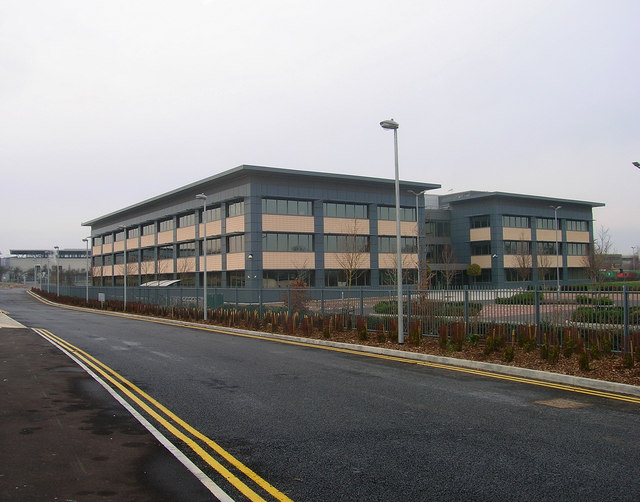
Location and transport
Burgess Hill lies on routes that link the South Coast to inland Sussex and benefits from regular rail and road connections. The local railway station provides frequent services to nearby coastal towns and to London, making the town attractive to commuters. Road links connect Burgess Hill with neighbouring towns and the wider regional network, while the town’s location affords relatively quick access to open countryside and the downs to the south.
History and growth
Historically a small agricultural and market settlement, Burgess Hill expanded in the 19th century with the arrival of the railway. That transport connection stimulated housing development, local industry and an increase in trade, transforming the place from a rural village into a busy town. Victorian terraces and later suburban estates reflect successive phases of expansion; community institutions, churches and civic buildings date from these periods.
Economy, services and amenities
The town supports a mixed economy of retail, light industry, professional services and public sector employers. Burgess Hill contains shopping streets, supermarkets and several business parks, together with schools, health facilities and community organisations. Many residents commute to larger employment centres while a range of local firms supply goods and services to the surrounding area. Leisure provision includes parks, sports clubs and community halls.
Community, culture and leisure
Burgess Hill has an active community life with regular events, voluntary organisations and clubs catering for families and older residents alike. Public parks, playgrounds and walking routes provide green space; small cultural venues and annual local fairs contribute to civic identity. The town’s mix of older buildings and contemporary developments gives it a varied townscape, and nearby countryside offers opportunities for outdoor recreation.
Surroundings and governance
The town is part of a network of nearby settlements, with notable neighbours such as Haywards Heath to the north and Lewes to the east. Local government responsibilities sit with the district and county authorities that cover the area, reflecting Burgess Hill’s position close to a county boundary. This border location has influenced planning and the provision of services as the town continues to grow.
- Key functions: local retail, services, small industry and commuter housing
- Transport: regular rail services to coastal towns and capital city connections
- Character: historic core with Victorian and later residential areas, plus modern business parks
Questions and answers
Q: Where is Burgess Hill located?
A: Burgess Hill is located in West Sussex, England, UK.
Q: How far is Burgess Hill from London?
A: Burgess Hill is 38 miles (62 km) south of London.
Q: What is the population of Burgess Hill?
A: According to the 2001 Census, the population of Burgess Hill was 28,803.
Q: What towns are located near Burgess Hill?
A: Haywards Heath is located to the north of Burgess Hill, and Lewes, the county town of East Sussex, is located to the east.
Q: Does Burgess Hill have any parts across the county boundary?
A: Yes, parts of Burgess Hill are across the county boundary in East Sussex.
Q: How far is Burgess Hill from Brighton and Hove?
A: Burgess Hill is 10 miles (16 km) north of Brighton and Hove.
Q: How far is Burgess Hill from the county town of Chichester?
A: Burgess Hill is 29 miles (47 km) east-northeast of the county town of Chichester.
Related articles
Author
AlegsaOnline.com Burgess Hill: market town and commuter hub in West Sussex Leandro Alegsa
URL: https://en.alegsaonline.com/art/15410
Sources
- olymposcentres.com : "Triangle Leisure Centre"
- nomad-online.co.uk : "Ryman Isthmian League"
- bhsquashclub.co.uk : "Burgess Hill Squash Club"
- bhrunners.co.uk : "Burgess Hill Runners Club"