
Bupropion: overview, uses, pharmacology, and safety
Bupropion is an atypical antidepressant and smoking-cessation aid. This article summarizes its actions, formulations, common uses, side effects, and important safety considerations.
Bupropion is an atypical antidepressant widely prescribed for major depressive disorder and seasonal affective disorder, and for helping people stop smoking. Unlike selective serotonin reuptake inhibitors (SSRIs), bupropion primarily affects norepinephrine and dopamine pathways and is classified as a norepinephrine–dopamine reuptake inhibitor (NDRI).
Image gallery
5 Images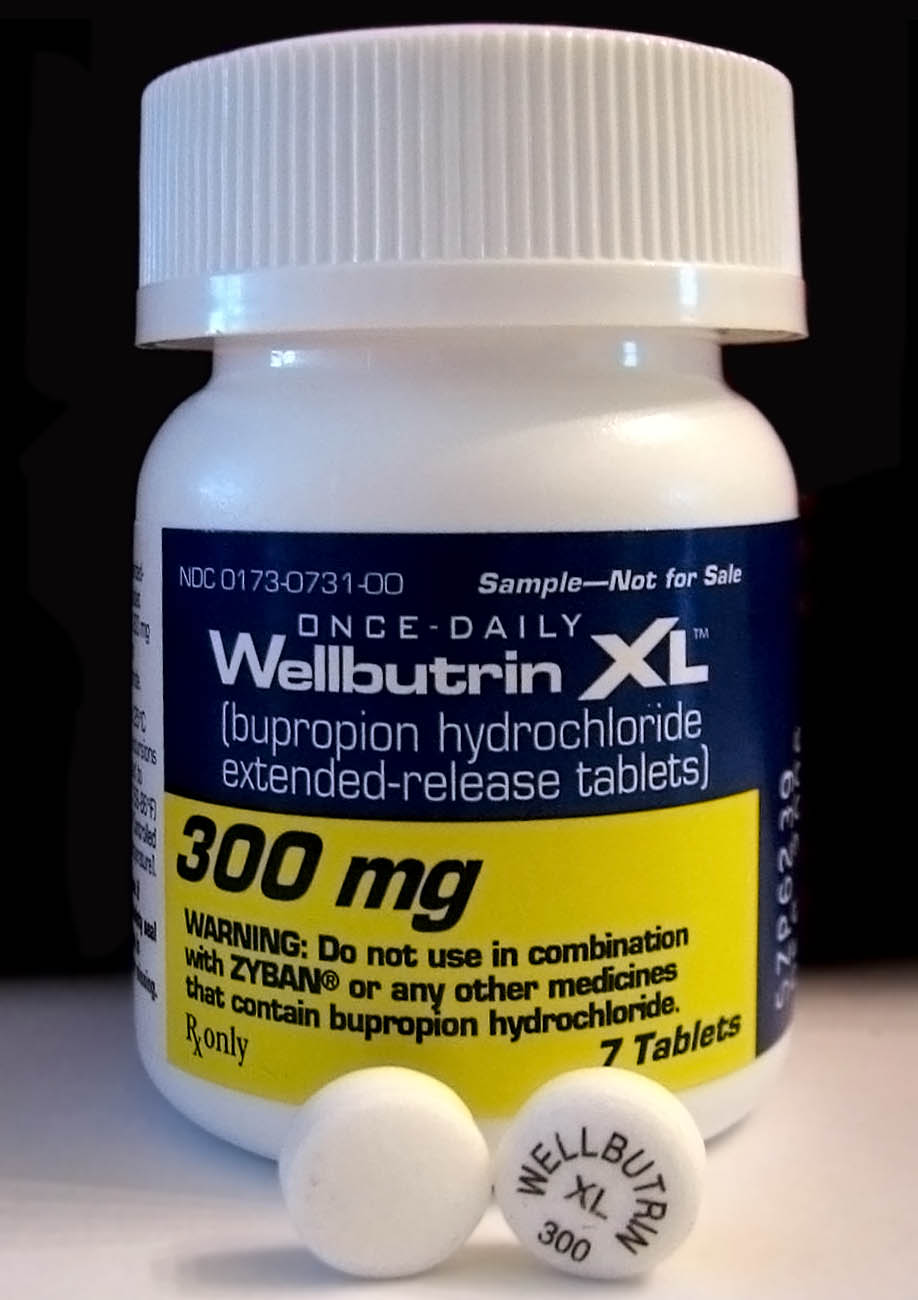


Characteristics and formulations
Bupropion is available in several oral formulations: immediate-release (IR), sustained-release (SR), and extended-release (XL). It is sold under brand names such as Wellbutrin for depression and Zyban for smoking-cessation, as well as in generic forms. The drug is metabolized in the liver, with CYP2B6 playing a major role in its conversion to active metabolites.
Mechanism of action
Bupropion inhibits reuptake of norepinephrine and dopamine, which may improve mood and motivation. Its utility for smoking cessation is thought to combine these monoaminergic effects with antagonism of certain nicotinic acetylcholine receptors, reducing withdrawal and craving.
Uses and notable benefits
- Treatment of major depressive disorder and seasonal affective disorder
- Adjunctive therapy when other antidepressants are ineffective or poorly tolerated
- Assistance with smoking cessation
- Sometimes used off-label for conditions such as attention-deficit/hyperactivity disorder (ADHD) or to counteract sexual side effects of SSRIs
Side effects and safety considerations
Common adverse effects include insomnia, dry mouth, headache, and tremor. Bupropion is associated with a risk of seizures that increases with higher doses and in people with predisposing factors; it should not be used in patients with seizure disorders or certain eating disorders. It should not be combined with monoamine oxidase inhibitors (MAOIs) without appropriate washout periods. Compared with many SSRIs, bupropion tends to have a lower incidence of sexual side effects and may produce less weight gain.
Prescribers consider individual medical history, concomitant medications, and liver function when choosing bupropion. Monitoring and dose adjustments can reduce risks. For detailed prescribing information and interactions consult professional resources or the medication guide provided by the manufacturer.
Related articles
Author
AlegsaOnline.com Bupropion: overview, uses, pharmacology, and safety Leandro Alegsa
URL: https://en.alegsaonline.com/art/15362
Sources
- webmd.com : "Bupropion hydrochloride (Zyban) for quitting smoking"