
Bunkyū (1861–1864): a late-Edo period Japanese era name
Bunkyū (文久) was the Japanese era from February 1861 to February 1864 under Emperor Kōmei. It marked increased foreign pressure, domain clashes and incidents such as the Namamugi Affair and the Anglo–Satsuma clash.
Overview
Bunkyū (文久) is a Japanese era name, or nengō, that covered the period from February 1861 through February 1864. It followed the Man'en era and preceded the Genji era. The imperial throne during Bunkyū was occupied by Kōmei, often referred to in English sources as Emperor Kōmei-tennō.
Image gallery
3 Images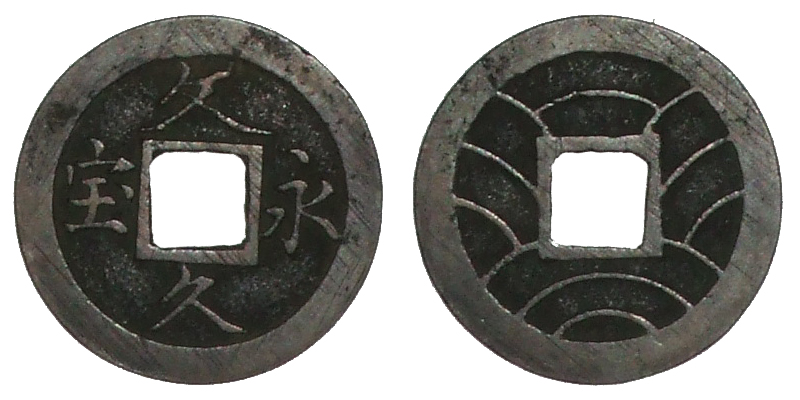


Historical context
The Bunkyū years fall in the closing decades of the Tokugawa shogunate and are part of the late Edo period. Japan was grappling with the consequences of renewed contact with Western powers after mid‑19th century treaty openings, rising domestic political movements, and tensions between central shogunal authority and powerful domains. Era names were traditionally adopted for a variety of reasons, including auspicious omens or to mark a fresh start after calamities.
Notable events and trends
Although short, the Bunkyū era saw incidents that signaled widening conflict between Japan and foreign powers and among Japanese domains themselves. Important events include:
- Rising anti-foreign sentiment and the activities of sonnō jōi (revere the emperor, expel the barbarians) activists.
- The Namamugi Incident (often called the Richardson Affair) in 1862, which involved the killing of a British national and led to heightened Anglo‑Japanese tensions.
- Naval and military clashes culminating in the Anglo–Satsuma conflict (Bombardment of Kagoshima) in 1863, reflecting both the adoption of Western arms and punitive responses by foreign navies.
Society, technology and administration
During Bunkyū, some domains accelerated modernization programs: purchasing Western ships and weapons, reforming samurai retainers, and improving coastal defenses. At the same time, political alignments shifted as domains negotiated between supporting the shogunate, aligning with the imperial court, or pursuing independent modernization. These dynamics contributed to the instability that eventually led to the Meiji Restoration later in the decade.
Legacy and significance
Although brief, the Bunkyū era is remembered as a transitional moment when international incidents and internal reform efforts intensified. It illustrates the complex mix of confrontation and adaptation that characterized Japan's final years under the Tokugawa order and sets the stage for the more dramatic upheavals of the mid‑1860s.
Related articles
Author
AlegsaOnline.com Bunkyū (1861–1864): a late-Edo period Japanese era name Leandro Alegsa
URL: https://en.alegsaonline.com/art/15334
Sources
- books.google.com : "Kōmei Tennō,"
- books.google.com : Encyclopedia of Nineteenth-century Photography, p. 770.
- books.google.com : Popular Astronomy, Vol. 46, p. 142
- japanese.human.metro-u.ac.jp : "The Ogasawara Islands in Tokugawa Japan."
- books.google.com : "Namamugi Jiken"
- books.google.com : "Satuei Sensō"