
Bun'ō: a short Japanese era (April 1260–February 1261)
Bun'ō was a brief Japanese era from April 1260 to February 1261 during the reign of Emperor Kameyama, one of many nengō used to mark years in the Kamakura period.
Overview
Bun'ō (文応) was a Japanese era name used to mark a span of time from April 1260 through February 1261. Era names (nengō) are traditional Japanese calendrical labels applied to years; they follow one another and are used for official dating and historical reference. Bun'ō succeeded the Shōgen era and preceded the Kōchō era. The reigning sovereign during Bun'ō was Emperor Kameyama.
Image gallery
2 Images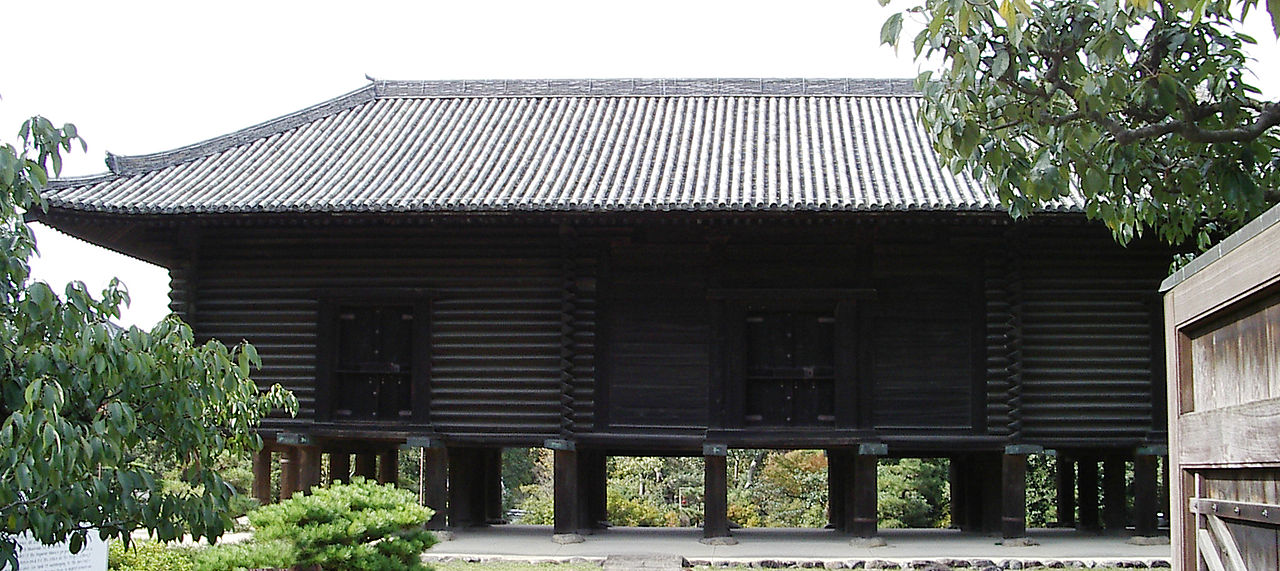

Name, dating, and usage
The characters composing the era name, 文 (bun) and 応 (ō), can be read as relating to culture or writing and to response or fulfillment; translated loosely, the name conveys a sense of "cultural response" or "civil order". In practice, era names were selected for auspicious connotations and to mark events such as imperial accessions, disasters, or political decisions. The term nengō is often rendered in English as "era name".
Historical context
Bun'ō falls within the Kamakura period, when real political authority rested largely with the military government based in Kamakura and the Hōjō regents who acted as de facto rulers. The era itself is brief, lasting less than a full year, and thus few distinctive events are associated uniquely with Bun'ō in major chronicles. It sits between the preceding Shōgen and the subsequent Kōchō eras.
Emperor and court
Emperor Kameyama reigned during this period; his name appears in court records and official documents dated using the Bun'ō era name. Court-sponsored diaries, official proclamations, and temple records of the time would use Bun'ō when identifying the year.
Significance and legacy
- As one of Japan's many short era names, Bun'ō illustrates how the nengō system created fine-grained chronological markers.
- Historians use era names like Bun'ō to synchronize Japanese sources with the Gregorian calendar when reconstructing timelines.
- For further reading on the era system and related eras, see entries on nengō and period lists that include Shōgen, Kōchō, and the court of Emperor Kameyama.
Because Bun'ō covers only a short interval, it is mainly of interest to specialists working with primary documents who need precise dating rather than to general narrative histories that tend to group years into broader political or cultural phases.
Related articles
Author
AlegsaOnline.com Bun'ō: a short Japanese era (April 1260–February 1261) Leandro Alegsa
URL: https://en.alegsaonline.com/art/15343
Sources
- books.google.com : "Bun'ō"
- books.google.com : Annales des empereurs du Japon, pp. 253-254
- sgi-usa.org : Soka Gakkai International
- nichiren.info : Major Writings of Nichiren Daishonin, Vol. 1, page 173