
Bunryaku — Japanese era name (nengō), November 1234–September 1235
Bunryaku (also Bunreki) is a brief Japanese era name from Nov 1234 to Sep 1235 during Emperor Shijō's reign, situated in the Kamakura period and illustrating the frequent era changes of medieval Japan.
Overview
Bunryaku (also romanized as Bunreki) was a Japanese era name (nengō) that lasted from November 1234 through September 1235. It fell within the broader Kamakura period and coincided with the reign of Emperor Shijō. As with other nengō, it served as an official label for years used in court records, chronicles, and legal documents.
Image gallery
3 Images

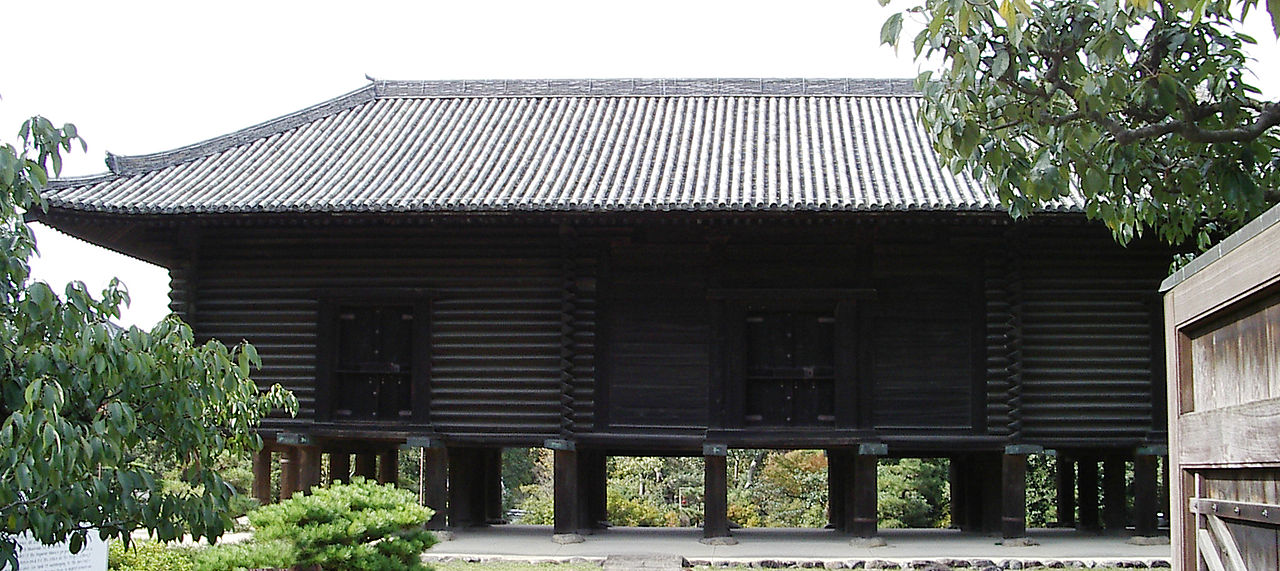
Dates and immediate context
The era began in late 1234 and ended in 1235, a span of less than one year. It directly followed the Tenpuku era and preceded the Katei era. Short eras like Bunryaku were not uncommon in medieval Japan, where era names could change for political, religious, or calendrical reasons.
System and characteristics
The adoption and replacement of era names are part of the Japanese nengō system, a practice borrowed from China and adapted by the imperial court. Reasons for changing a nengō included the desire to mark auspicious beginnings, respond to natural disasters or epidemics, or realign calendrical calculations. Bunryaku's brevity is characteristic of periods when courts sought fresh titles to signal renewal or respond to events.
Historical setting
Bunryaku occurred during the Kamakura shogunate, when political authority was shared between the military government in Kamakura and the imperial court in Kyoto. The emperor retained ceremonial and cultural leadership while the bakufu exercised military and administrative control. Because Bunryaku spans a short interval, the era itself is mainly significant as a chronological marker rather than for distinctive political or cultural developments recorded under its name.
Notable distinctions and navigation
- Romanization and readings: era names can appear under different romanizations; Bunryaku is sometimes seen rendered as Bunreki.
- Adjacent eras: it followed Tenpuku and preceded Katei, reflecting the frequent sequence of short nengō in this epoch.
- Research notes: because era names were administrative conveniences, historians often use them alongside regnal years and Gregorian equivalents when dating events.
For chronology or deeper study, consult reference works on Japanese eras and the Kamakura period. The Bunryaku era remains a brief but useful chronological label for historians tracing events around Emperor Shijō's reign.
Related articles
Author
AlegsaOnline.com Bunryaku — Japanese era name (nengō), November 1234–September 1235 Leandro Alegsa
URL: https://en.alegsaonline.com/art/15346
Sources
- books.google.com : "Bunreki"
- books.google.com : Annales des empereurs du Japon, pp. 242-243;
- books.google.com : The Clear Mirror: A Chronicle of the Japanese Court During the Kamakura Period (1185-1333), p. 64
- kunaicho.go.jp : 仲恭天皇 (85)
- kunaicho.go.jp : 後堀河天皇 (86)