
Aichi D3A (Val): Japanese carrier dive bomber of World War II
Carrier-based Japanese dive bomber of World War II, the Aichi D3A (Allied reporting name 'Val') served in major Pacific operations and later in kamikaze roles and shore-based air units.
Overview
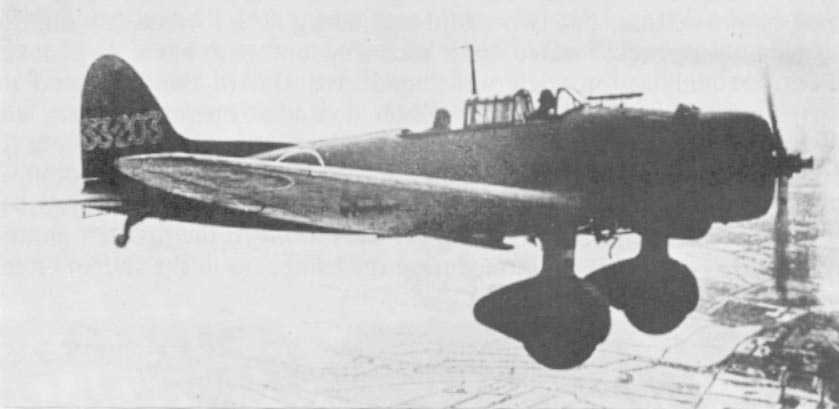
The Aichi D3A was a carrier-capable dive bomber developed for the Imperial Japanese Navy in the years leading up to World War II. Commonly flown by crews of two, it became one of the navy's principal attack aircraft in the early Pacific campaigns. Allied intelligence assigned the type the reporting name "Val", a label widely used in wartime accounts and postwar histories (Allied reporting name).
Image gallery
8 Images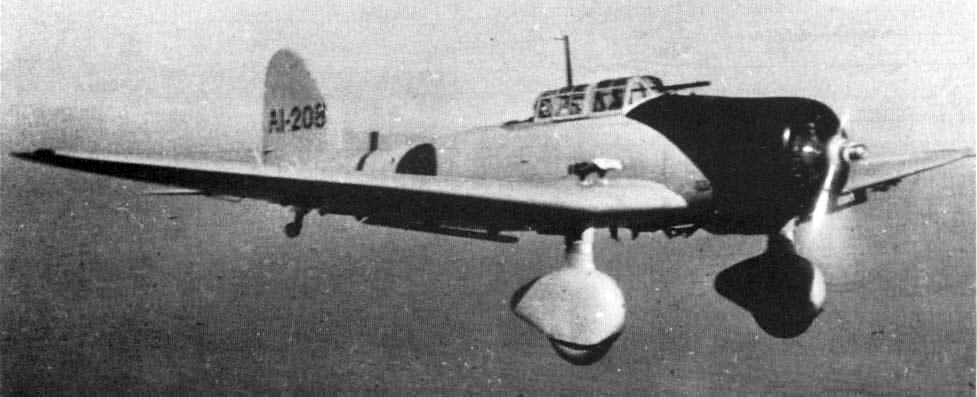



Design and characteristics
The D3A was produced by Aichi for service aboard fleet carriers and for operations from forward bases. It was designed for accurate dive bombing against ships and land targets, with a pilot and an observer/gunner working together. Its engineering emphasized a balance of maneuverability, payload for a dive-bombing mission, and the ability to operate from carrier decks, characteristics valued by naval aviators of the period.
Operational history
Deployed widely by the Imperial Japanese Navy Air Service, the D3A saw prominent action in the opening months of the Pacific war. Squadrons of Vals took part in the air raids on Pearl Harbor and were heavily committed in carrier battles such as the Battle of Midway. During these engagements the type performed attack runs against warships and escorted strike formations in complex carrier operations. Its performance in 1941–1942 helped establish Japanese naval air offensives across the region (notable engagements).
Later service and kamikaze use
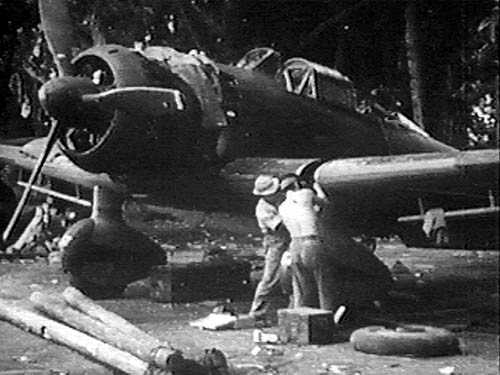
As the war progressed and more modern aircraft appeared, many D3A airframes were transferred from carriers to shore units and secondary roles. In the final stages of the conflict some were adapted for one-way attack missions, reflecting the shift in Japanese strategy toward kamikaze operations. These conversions and the use of remaining Vals in desperate late-war operations are documented in accounts of the kamikaze conversion programs.
Legacy and distinctions
Though eventually superseded by faster or more heavily armed attack types, the D3A earned a place in aviation history as the primary Japanese dive bomber of the war's early years. Its role in major battles, its crewed two-seat arrangement, and its later conversion to shore-based and suicide missions make it a subject of study for those interested in naval aviation, carrier warfare, and the Pacific War's evolution.
- Primary role: carrier-based dive bombing (dive bomber).
- Service period: early and mid years of World War II.
- Notable actions: Pearl Harbor, Midway and other Pacific operations (notable engagements).
- Later use: shore units and conversion to kamikaze roles (conversion programs).
For further reading, consult technical histories and carrier-warfare studies that place the Aichi D3A in the broader context of naval aviation development and Pacific theater operations. Archival photographs and squadron records illustrate how crews operated the Val and how its service record shaped wartime outcomes.
Tags
Related articles
Author
AlegsaOnline.com Aichi D3A (Val): Japanese carrier dive bomber of World War II Leandro Alegsa
URL: https://en.alegsaonline.com/art/1524