
Brussels Airport (BRU) — overview, history, facilities and significance
Primary international airport of Belgium, located near Brussels. Covers history, layout, airlines, transport links and the 2016 attacks, plus its role as a national and regional aviation hub.
Brussels Airport (IATA: BRU) is the principal international airport serving Belgium and the Brussels metropolitan area. Situated northeast of the capital in the municipality of Zaventem, it functions as the country’s principal gateway for passenger and air freight traffic. For official information see the airport authority page and general references about Belgium and the city of Brussels.
Image gallery
10 Images


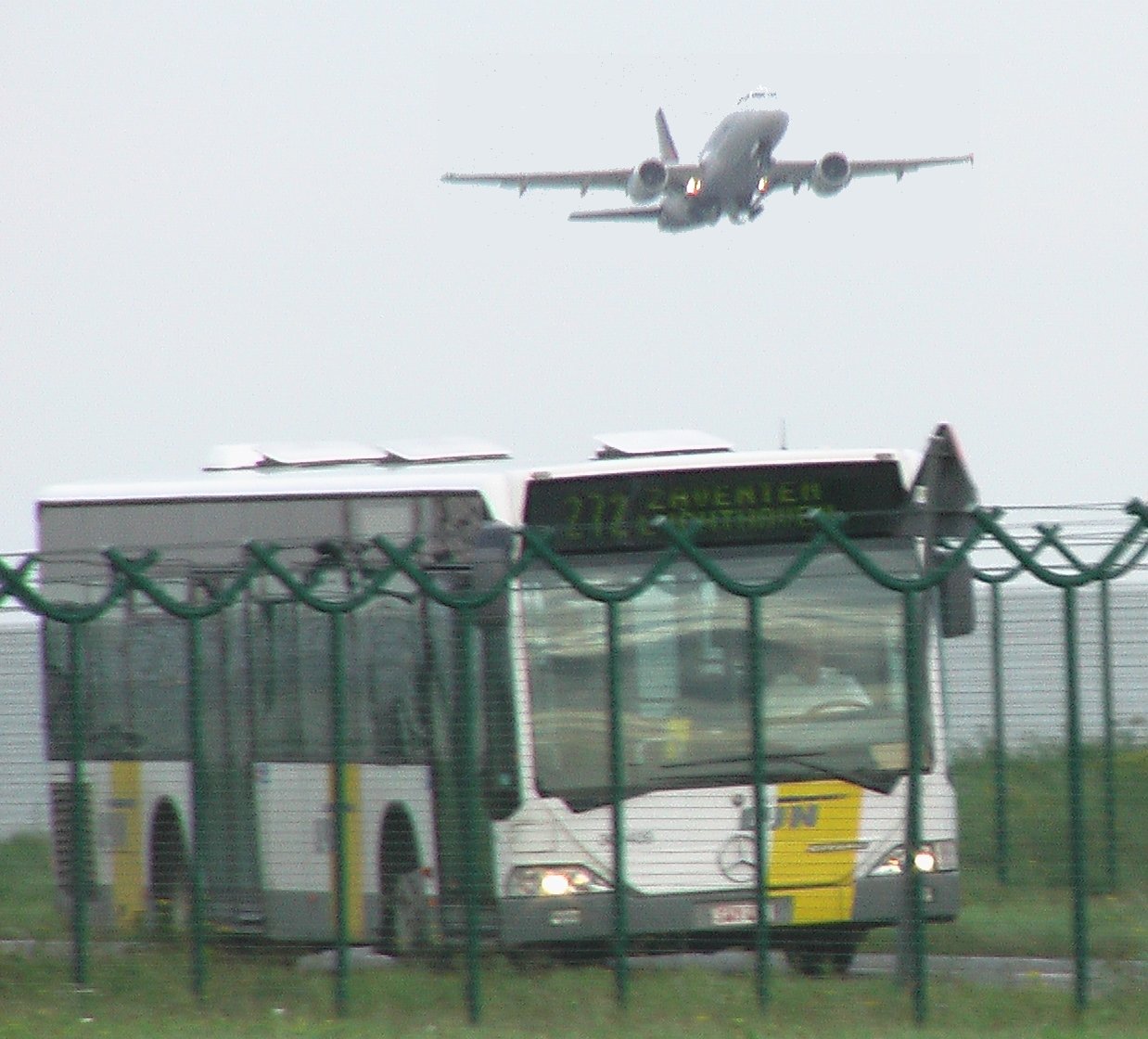
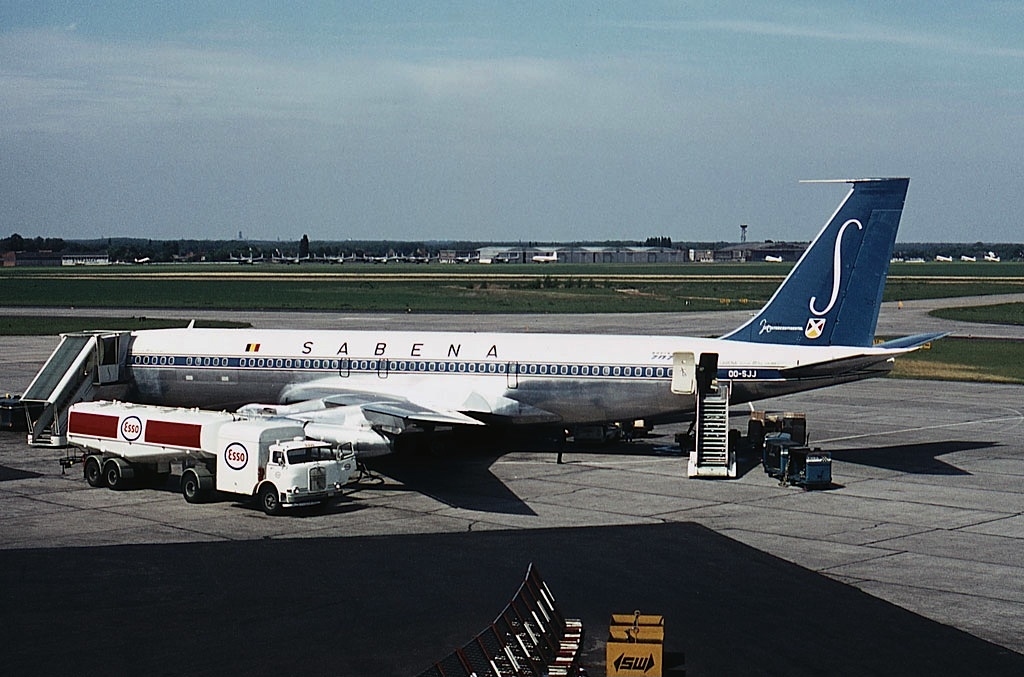
Layout, operations and carriers
The airport complex includes a main passenger terminal, satellite buildings and cargo facilities, with multiple runways designed to handle short- and long-haul aircraft. It is a hub for several carriers and is served by many international airlines; a general overview of carriers can be found at the airlines page. The national flag carrier, Brussels Airlines, operates a substantial network from the airport, connecting Brussels with European and intercontinental destinations.
History and development
Originally developed in the mid-20th century, the airport expanded progressively through terminal upgrades, runway extensions and new ground transport links to accommodate rising passenger volumes. Modernisation programmes have focused on improving passenger flow, security screening and cargo handling to meet contemporary aviation standards.
Facilities and ground transport
- Passenger services: check-in halls, security, lounges and retail areas designed for international travel.
- Cargo and logistics: dedicated freight terminals serving Belgian and European trade.
- Ground access: direct rail and coach connections to central Brussels, motorway links and parking facilities.
These facilities support business travelers, tourists and freight operators, making the airport a vital transportation node for the region.
2016 attack and security
On 22 March 2016 the airport was the scene of coordinated suicide bombings that caused significant loss of life and injuries. The attacks had wide-reaching consequences for airport security policies, emergency preparedness and passenger screening across Europe; further reading on that event is available via related reports. Since then, measures have been strengthened to improve safety for travelers and staff.
Brussels Airport remains a key hub in northwestern Europe, balancing growth in passenger and cargo traffic with operational security and evolving infrastructure needs.
Related articles
Author
AlegsaOnline.com Brussels Airport (BRU) — overview, history, facilities and significance Leandro Alegsa
URL: https://en.alegsaonline.com/art/14923