
2016 Brussels bombings
Coordinated suicide bombings at Brussels Airport and Maalbeek metro on 22 March 2016 that killed dozens, injured hundreds, and were claimed by ISIL; led to a major investigation and security response.
Overview
On 22 March 2016, three large explosions struck Brussels, Belgium, in a coordinated terrorist attack. Two blasts occurred in the departure hall of Brussels Zaventem Airport and a third detonated on a train in the Maalbeek metro station. Early official counts reported at least 31 people killed and more than 250 injured. The Islamic State of Iraq and the Levant (ISIL) later claimed responsibility. For contemporary coverage see news reports.
Image gallery
10 Images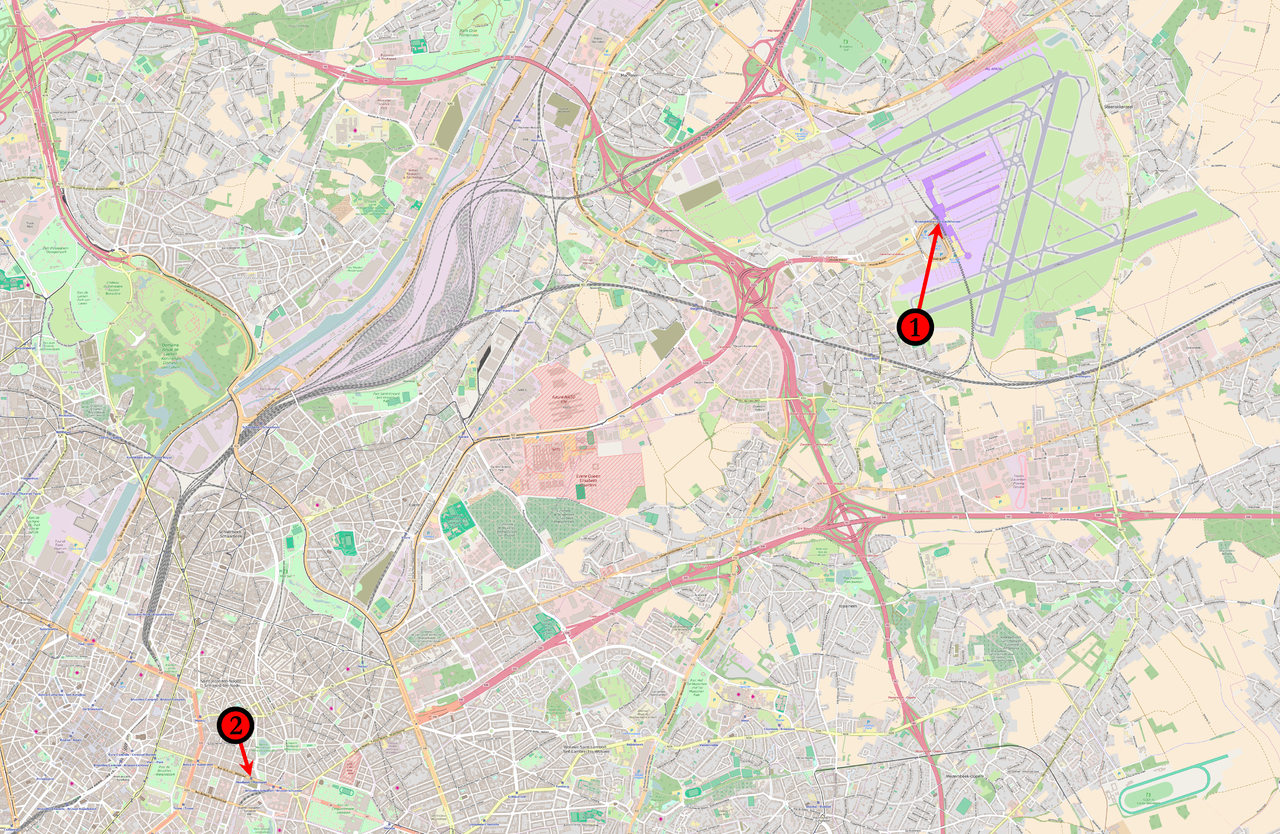


Locations and immediate effects
The airport attacks took place in the international departures area near check-in counters, causing extensive damage to the terminal and many civilian casualties; detailed information is available from authorities and airport statements such as Zaventem Airport notices. The metro explosion occurred during morning rush hour at Maalbeek station, a central stop near European Union institutions; transit agencies issued statements like metro updates. Emergency services quickly responded, hospitals treated hundreds, and the government raised security alerts while closing transport hubs across Brussels.
Perpetrators and investigation
Belgian investigators identified multiple suspects and reported that two of the attackers were suicide bombers. Authorities conducted a large-scale manhunt for additional suspects and arrested persons believed to be connected to the cell. ISIL publicly claimed responsibility soon after the attacks; statements and investigative summaries appeared in official briefings and press releases about the claim. Officials also examined possible links between the Brussels attackers and the group responsible for the November 2015 Paris attacks, which shaped parts of the inquiry and international cooperation investigative reports.
Aftermath, response and security changes
The bombings prompted immediate changes in Belgian and European security posture: airports and metro services were temporarily suspended, border and police checks were intensified, and national authorities reviewed counterterrorism measures. Courts later pursued prosecutions and a range of administrative and legislative responses followed, including debates on intelligence sharing and policing policy analyses. Emergency medical systems and trauma care procedures were also evaluated in the wake of the attacks medical reviews.
Human impact and commemoration
Beyond casualty statistics, the attacks had lasting social and emotional effects on survivors, families of victims, first responders, and the wider community. Memorials and commemorative events took place in Brussels and elsewhere to honor the dead and injured. The incident remains a reference point in discussions about urban security, radicalization, and international counterterrorism cooperation.
Key points
- Three explosions on 22 March 2016 targeted Brussels airport and a metro station.
- At least 31 people were reported killed and over 250 wounded in initial counts.
- ISIL claimed responsibility; investigations linked some perpetrators to an organized cell.
- The attacks triggered security, legal and medical reviews across Belgium and Europe.
Questions and answers
Q: What happened in Brussels on March 22, 2016?
A: Three large explosions occurred in the Belgian capital city of Brussels.
Q: Where did the bombs explode?
A: Two of the bombs exploded at Brussels Zaventem Airport and the other exploded at Maalbeek metro station.
Q: How many people were killed and injured in the attack?
A: At least 31 people were killed and over 250 were injured according to the Belgian Health Ministry.
Q: Who claimed responsibility for the attack?
A: The Islamic State of Iraq and the Levant (ISIL) claimed responsibility for the attack.
Q: How many suspects were identified?
A: There were three suspects, two of whom were suicide bombers.
Q: Did the Belgian police arrest all the suspects?
A: No, Belgian police were still searching for the third suspect.
Q: What is the significance of this attack?
A: The 2016 Brussels bombings were one of the deadliest terrorist attacks in Belgian history and highlighted the ongoing threat of terrorism in Europe.
Related articles
Author
AlegsaOnline.com 2016 Brussels bombings Leandro Alegsa
URL: https://en.alegsaonline.com/art/112566
Sources
- theguardian.com : "Brussels Airport explosions – live updates"
- cnn.com : "ISIS claims credit for attacks killing 30 in Brussels"
- nytimes.com : "Brussels Airport and Subway Attacks Kill at Least 30; ISIS Claims Responsibility"
- belfasttelegraph.co.uk : "Danes send attack planes"
- lesoir.be : "Fusillade au Musée juif de Bruxelles: un Français arrêté"
- bbc.com : "Brussels Jewish Museum killings: Suspect 'admitted attack'"
- bbc.com : "Belgian anti-terror raid in Verviers leaves two dead"
- cbc.ca : "Belgian counterterrorism police kill 2, arrest 1 in Verviers raid"
- rt.com : "Paris attacks suspect Salah Abdeslam shot, arrested in Brussels raid"
- abcnews.go.com : "ISIS Claims Responsibility for Deadly Brussels Terror Attack, Suspect Sought"
- independent.co.uk : "Brussels attacks live updates: Isis claims responsibility for bombings that have killed 34 as police launch raids"
- washingtonpost.com : "Belgian authorities: Brothers carried out Islamic State suicide attacks"
- cnn.com : "Search » U.S. Edition+ #prayforbrussels: World mourns with cartoons and open doors"