
Bugatti Veyron — W16 French hypercar and flagship model (2005–2015)
The Bugatti Veyron is a mid-engine hypercar built by Bugatti (Volkswagen Group) between 2005 and 2015. Notable for its W16, quad-turbo powerplant, carbon-fiber construction and record-setting top speeds.
The Bugatti Veyron is a landmark production hypercar introduced by Bugatti Automobiles S.A.S. in the mid-2000s as the marque's flagship road model. Designed to combine extreme top speed with everyday refinement and luxury, the Veyron put Bugatti back at the forefront of automotive engineering after the brand's revival. The model family includes closed coupé and open-top roadster variants and several high-performance editions produced in limited numbers.
Image gallery
10 Images

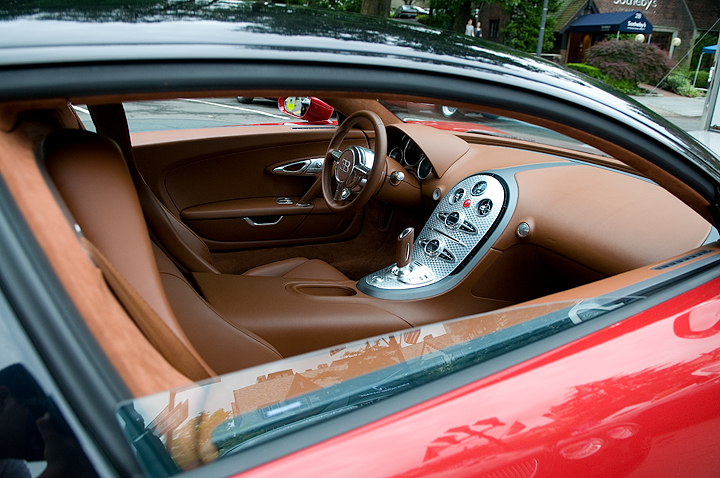
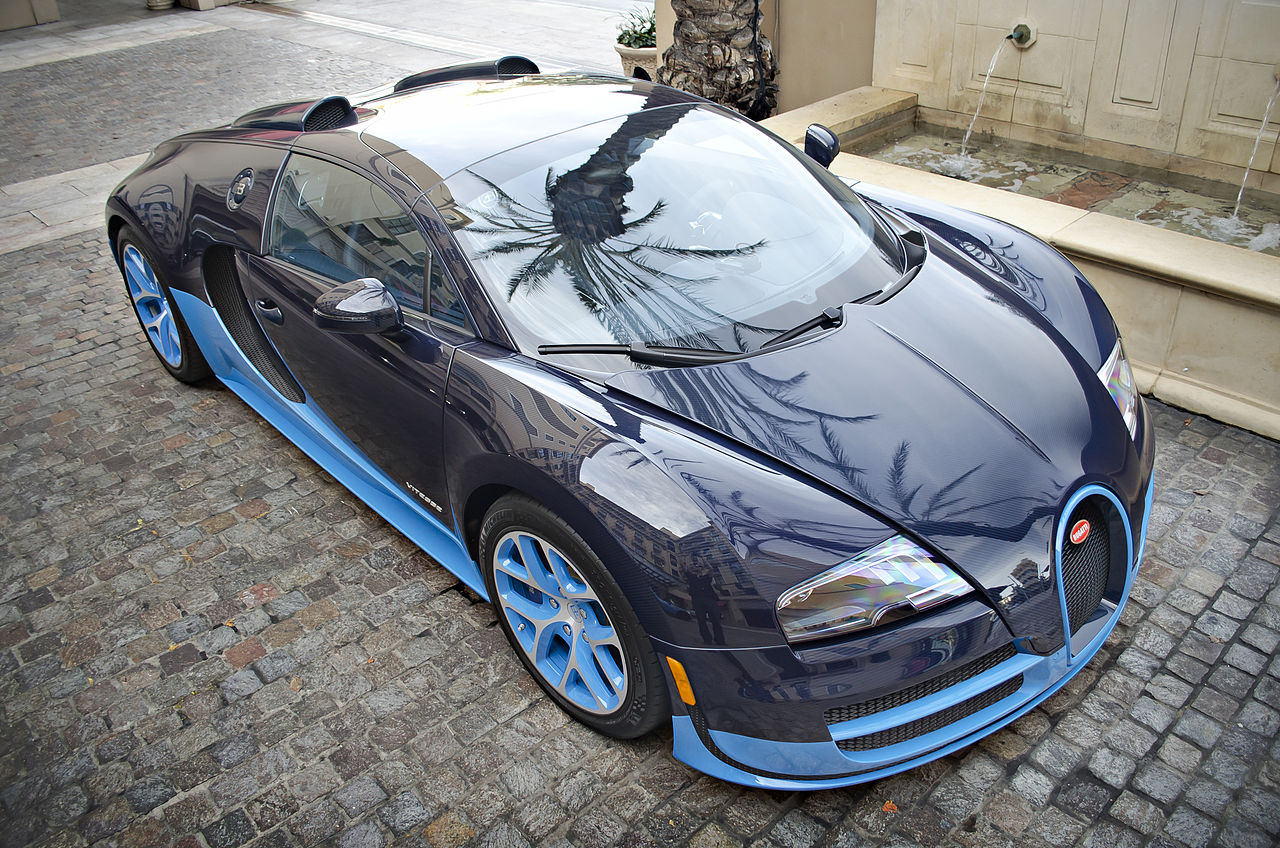


Design and technical characteristics
At its heart the Veyron uses an 8.0-litre W16 engine with four turbochargers. The "16.4" designation used on early models denotes 16 cylinders and four turbochargers. The powertrain layout pairs that unique engine with a multi-speed dual-clutch transmission and permanent all-wheel drive to manage the very high outputs safely. The chassis is built around a carbon-fibre monocoque with aluminium subframes and extensive cooling and aerodynamic systems, including an active rear wing that adjusts to driving conditions.
Performance and notable figures
The original Veyron 16.4 produced roughly one thousand metric horsepower, while later variants increased power and revised aerodynamics. In 2010 the Veyron Super Sport recorded a top speed of 431.072 km/h (267.856 mph) in a controlled run, a figure that was recognized as a production-car record at the time. Subsequent hypercars have since exceeded that number, and several record claims have involved different measurement criteria; the Veyron remains famous for making extreme speed accessible in a finished, road-legal car.
Variants and special editions
- Veyron 16.4: the original production coupé, focused on a balance of speed and comfort.
- Grand Sport: an open-top (roadster) version with similar performance but a different character.
- Super Sport: higher-output and more track-focused, responsible for the 2010 top-speed run.
- Grand Sport Vitesse: a roadster with the Super Sport′s power and enhanced aerodynamics.
History, production and legacy
Conceived after Volkswagen Group's acquisition of the Bugatti name, the Veyron project represented a multi-year, high-cost engineering effort aimed at redefining the limits of production-car performance. Manufactured in France, the Veyron was built in small, numbered batches and famously commanded prices in the million-euro/dollar range when new. Total production across all versions was limited, reinforcing its exclusivity. The Veyron's technological achievements and the lessons learned during its development strongly influenced later hypercars, including Bugatti's own successors.
Practical considerations and notable facts
Owning and operating a Veyron involves specialized maintenance: components such as bespoke Michelin tyres are unusually expensive and the car requires significant servicing to support its complex powertrain and cooling systems. The Veyron combines supercar acceleration and top-speed capability with surprisingly detailed interior appointments and comforts, reflecting its role as both a performance demonstrator and a luxury automobile.
For further manufacturer details and historical context, see the manufacturer's pages: Bugatti and the model overview: Veyron model information.
Related articles
Author
AlegsaOnline.com Bugatti Veyron — W16 French hypercar and flagship model (2005–2015) Leandro Alegsa
URL: https://en.alegsaonline.com/art/15155
Sources
- topspeed.com : "Bugatti Veyron's 267mph record on Koenigsegg Agera's to-do list"