
Ahmad Shamlou: Life, Work, and Influence of a Modern Persian Poet
Concise account of Ahmad Shamlou (1925–2000), an influential Persian poet, writer, translator and journalist: his style, major activities, political struggles, and cultural legacy.
Ahmad Shamlou (1925–2000) was a central figure in twentieth‑century Persian literature, widely regarded for renewing Persian poetry and expanding its expressive range. Trained as a journalist and active as a translator and editor, he produced more than seventy books across genres: poetry collections, short stories, plays, essays and translations. His work combined formal experimentation with deep engagement in social and humanist themes, and it became a touchstone for later generations of Iranian writers and readers.
Image gallery
3 Images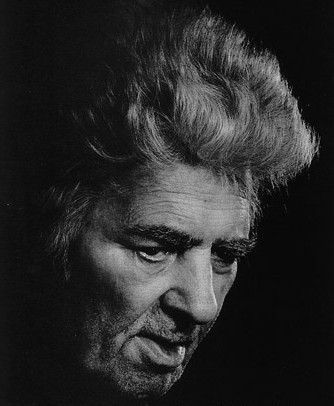


Poetry, style and themes
Shamlou is often associated with modern free verse in Persian, a movement that moved away from strict classical metrics toward a more conversational and image‑driven language. His verse frequently emphasizes everyday speech, striking metaphors and a compact, musical cadence. Major themes include loneliness, memory, resistance to oppression, the dignity of ordinary people and the moral obligations of writers. He also worked extensively as a translator, bringing world literature into Persian and introducing new rhythms and ideas to his readers.
Career and major works
Over a long career he published poetry, prose and translations as well as edited journals and anthologies. Shamlou's practice combined creative writing with cultural work: he translated poetry and prose from several languages, wrote literary criticism, and compiled folk and contemporary materials. His output is notable for both its volume and its continued influence in literary circles, where his ideas about language, form and the poet's social role remain discussed and taught.
Historical context and political life
Living through turbulent decades in Iran—political upheavals, censorship and social change—Shamlou's public life intersected with the nation's larger conflicts. He suffered official pressures that affected his career; authorities detained him in the mid‑1950s and he faced various limitations on publication at different times. Despite these difficulties, he continued to write and to mentor younger writers, and his voice was important in debates about culture and politics in Iran throughout the late twentieth century.
Legacy and significance
Today Shamlou is remembered both as an innovator in Persian verse and as a committed cultural figure. His translations helped open Persian readers to diverse literary traditions, while his own poetry expanded possibilities for expression in modern Iranian poetry. Academics and readers study his work for its formal daring, ethical concerns and the way it reflects the social history of his era. His influence persists in literary anthologies, classroom curricula and contemporary poetic practice.
Key facts and further reading
- Birth: December 12, 1925 — see source.
- Year of birth (reference): 1925 — see reference.
- Death date: July 24, 2000 — see account.
- Obituary and memorials: July 2000 notices and remembrances — read more.
- Persian name and script: احمد شاملو — language note.
- Role: Poet and cultural figure — overview.
- Occupation: Poet, writer, journalist, translator — profile.
- Arrest: Detained in 1954; released in 1955 — historical source and follow up.
- Place of death: Tehran — local reports.
- Burial: Interred near Karaj — memorial details.
For readers seeking primary texts and reliable commentary, consult modern Persian anthologies, university library collections and translations into languages you read. Many studies place Shamlou within the broader narrative of twentieth‑century Iranian literature and examine his work in relation to social and political change.
Related articles
Author
AlegsaOnline.com Ahmad Shamlou: Life, Work, and Influence of a Modern Persian Poet Leandro Alegsa
URL: https://en.alegsaonline.com/art/1491