
Ahmed Gailani — Afghan Sufi Leader and Mujahideen Politician
Sayyid Ahmed Gailani (1932–2017) was an Afghan Sufi Pir and founder of the National Islamic Front of Afghanistan, active in the anti-Soviet resistance and later in reconstruction and reconciliation efforts.
Sayyid Ahmed Gailani was a prominent Afghan religious and political figure whose activity spanned the late 20th and early 21st centuries. He was best known as the Pir (spiritual leader) of the Qadiriyya Sufi order in Afghanistan and as the founder of the National Islamic Front of Afghanistan, a political party that became one of the groups aligned with the mujahideen during the conflict against Soviet forces. Gailani's life combined traditional Sufi authority, political organizing in exile, and later participation in national reconciliation initiatives.
Image gallery
1 Image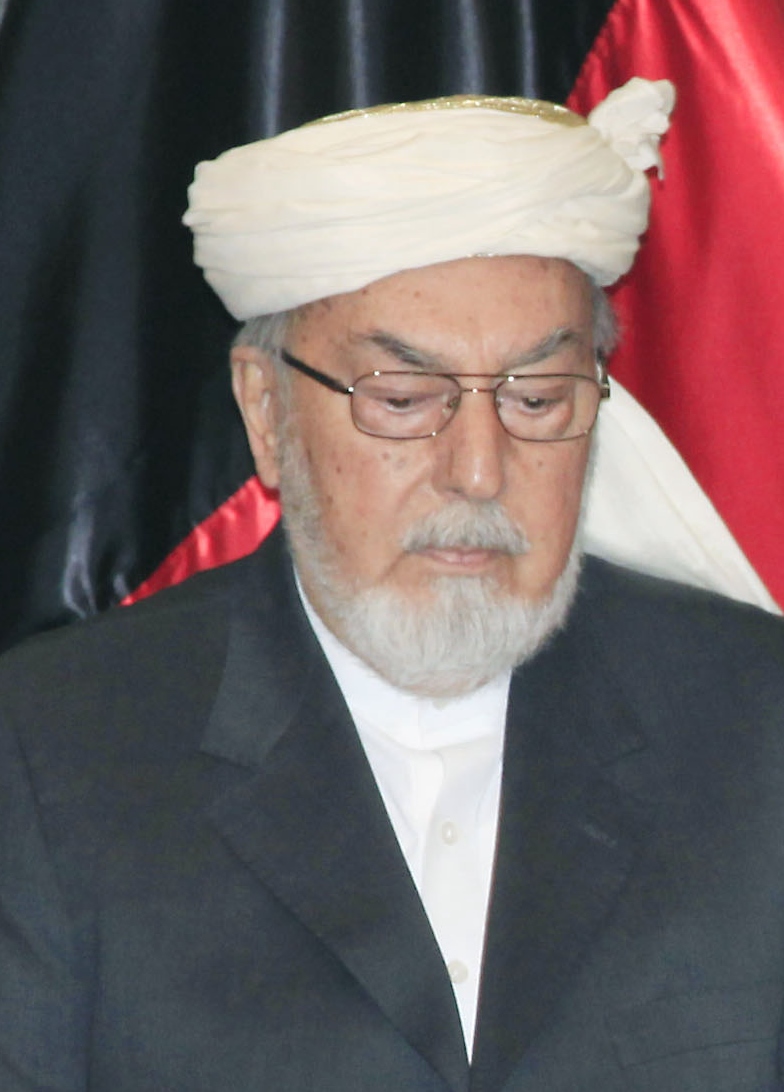
Religious role and background
Born in 1932 in the Surkh-Rōd District of Nangarhar Province, Gailani came from a family known for its claim of descent from the founder of the Qadiriyya order. As Pir, he presided over spiritual networks that provided social and moral guidance to followers and gave him a base of popular legitimacy beyond formal politics. His religious standing linked Afghan Sufi traditions to wider Islamic devotional currents represented by the Qadiriyya order.
Political leadership and the resistance era
In the 1970s and 1980s Gailani organized politically in response to the upheavals in Afghanistan. He established the National Islamic Front of Afghanistan (NIFA), which attracted supporters who favored a moderate, monarchist-leaning and Islamic political orientation. During the Soviet–Afghan War, NIFA was one of several groups that operated from exile and coordinated with other mujahideen factions. Gailani combined his religious influence with efforts to secure external support and to represent a traditionalist strand of Afghan society in the broader resistance.
Later years, reconciliation, and legacy
After the end of major hostilities and the fall of the Soviet-backed government, Gailani returned to Afghan public life and took part in forums aimed at rebuilding and reconciliation. He was involved in consultative processes and supported dialogue as the country confronted civil war, Taliban rule, and post-2001 reconstruction. Observers note that his blend of Sufi authority and pragmatic politics made him a distinctive voice in Afghanistan's complex political landscape.
Notable facts
- Birthplace: Surkh-Rōd, Nangarhar Province — Nangarhar.
- Roles: Pir of the Qadiriyya order; founder and leader of the National Islamic Front of Afghanistan.
- Involvement: Active in the anti-Soviet resistance and later in national reconciliation efforts.
- Death: Died after an illness on 20 January 2017 in Kabul, aged 84.
Gailani is remembered for maintaining a public presence that bridged religious tradition and modern politics. His life illustrates how spiritual leadership in Afghanistan could translate into political influence during periods of war and transition, and how figures rooted in Sufi networks engaged with both armed resistance and later peace-building efforts.
Tags
Related articles
Author
AlegsaOnline.com Ahmed Gailani — Afghan Sufi Leader and Mujahideen Politician Leandro Alegsa
URL: https://en.alegsaonline.com/art/1497
Sources
- commons.wikimedia.org : Ahmed Gailani
- foxnews.com : "Government says High Peace Council chief dies"