
Ahmad al‑Rifāʿī (Ahmed Ar‑Rifai) — 12th‑century Sufi master
12th‑century Sufi saint and founder of the Rifa'i order from Iraq, noted for ascetic teaching, broad popular following, the shrine near Tal Afar, and its destruction in 2014.
Ahmad al‑Rifāʿī (often written Ahmed Ar‑Rifai; c.1118–1182) was a medieval Sufi master and the founder of what became known as the Rifa'i order. He is remembered in Islamic devotional history as a teacher who emphasized humility, spiritual poverty, and service to the needy. Over subsequent centuries the order bearing his name developed distinctive liturgical gatherings and a popular following across parts of the Middle East and beyond.
Image gallery
1 Image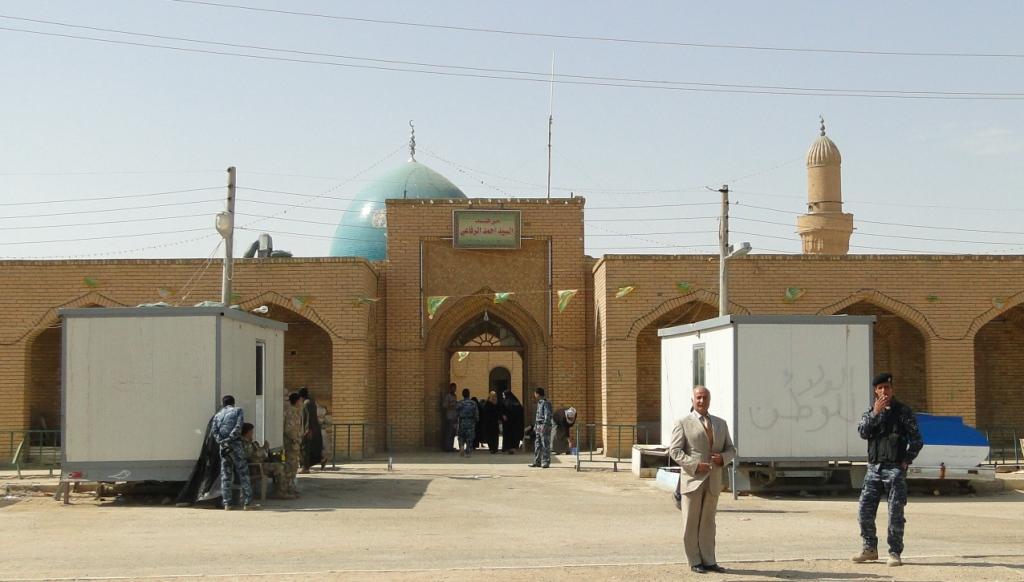
Life and local roots
Ahmed al‑Rifāʿī was born in the Hasen region of Iraq and spent his life in the environment of 12th‑century Mesopotamia. He died in what is now northern Iraq and was buried near Tal Afar. His tomb became a place of pilgrimage and local devotion. The site was visited by Muslims from different traditions, and the shrine was widely respected by both communities described as Shia and Sunni practitioners.
Teachings and practices
Sources and later tradition emphasize several features of al‑Rifāʿī’s spirituality. He is associated with:
- intense remembrance (dhikr) and communal chanting;
- ascetic discipline and modest living;
- charitable activity and attention to the poor;
- a style of spiritual instruction that encouraged direct experience of God through devotion.
Followers later attributed pious miracles and extraordinary anecdotes to him, as commonly occurs in saintly hagiographies; such claims are part of devotional memory rather than verifiable historical record.
Spread and institutional legacy
After his death the Rifa'i order spread beyond Iraq to other regions of the Islamic world. Over time it established lodges and local assemblies where disciples practiced collective rituals, offered mutual support, and maintained the order’s traditions. The Rifa'i order became one of several influential Sufi currents in the medieval and early modern periods, interacting with local cultures and other Islamic schools of spirituality.
Shrine, destruction and modern significance
The shrine near Tal Afar served as a focal point for pilgrimage, local festivals, and intercommunal visitation for centuries. In 2014 the shrine was destroyed by the armed group ISIS, an act widely reported as a loss of cultural and religious heritage. Despite this damage, Ahmad al‑Rifāʿī remains an important figure in Sufi memory and many communities continue to honor his example and teachings.
Today scholars and practitioners study the Rifa'i order to understand its ritual forms and social role, while believers preserve stories and practices connected to al‑Rifāʿī’s life. His legacy illustrates how a single spiritual teacher can inspire institutional traditions, popular devotion, and cross‑communal respect across many centuries.
Related articles
Author
AlegsaOnline.com Ahmad al‑Rifāʿī (Ahmed Ar‑Rifai) — 12th‑century Sufi master Leandro Alegsa
URL: https://en.alegsaonline.com/art/1493