
Zhongnanhai: Beijing's central leadership compound and historic gardens
Zhongnanhai is the restricted leadership compound in central Beijing, adjacent to the Forbidden City. Once imperial gardens, it now contains offices and residences for China's top officials.
Overview
Zhongnanhai is a walled complex immediately west of the Forbidden City in central Beijing. Familiarly described as the seat of China's top leadership, it contains offices, meeting rooms and residences used by senior officials. The name combines two lakes within the complex—Zhonghai (Central Sea) and Nanhai (South Sea)—and reflects its origin as an imperial garden area.
Image gallery
10 Images




History and development
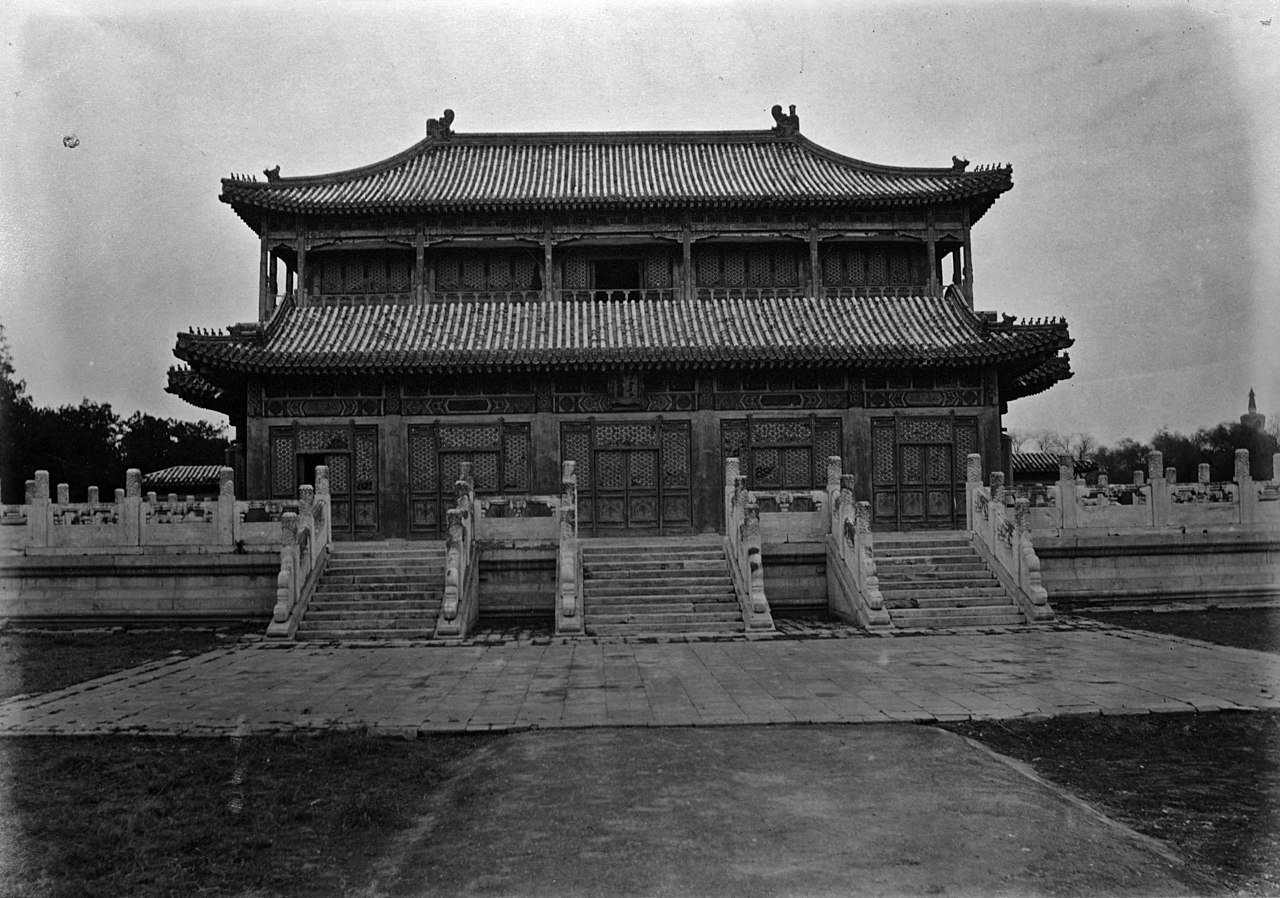
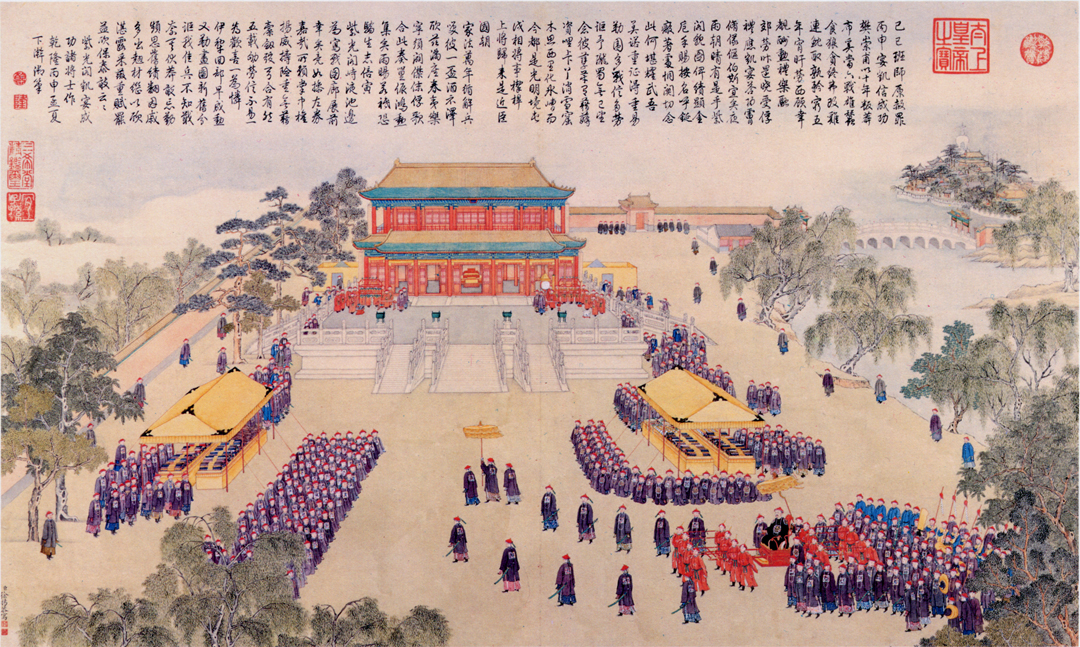
For centuries the site formed part of the imperial precincts around the Forbidden City and was shaped as landscaped lakes and pavilions under successive dynasties. After the end of imperial rule in the early 20th century and particularly following the founding of the People's Republic of China, the grounds were adapted for modern governmental use while retaining many garden features.
Layout and main elements
The compound includes a mix of lakes, gardens, traditional-style buildings and more recent office blocks. Typical components are:
- Water features and historic garden pavilions that give the place its name.
- Administrative buildings and conference rooms for party and state business.
- Residential quarters for senior officials and support facilities.
Functions and importance
Zhongnanhai functions as both a working headquarters and a residential campus for China's highest leaders. It hosts meetings, policy discussions and the daily operations of central leadership bodies. Because of its central role in governance, the compound is tightly controlled and generally closed to the public.
Notable facts and distinctions
Unlike public parks nearby, Zhongnanhai remains a restricted zone. Its historic character—combining imperial garden elements with modern government facilities—makes it distinctive among political centers. For a general map reference to its location in Beijing see Beijing location.
The site is often referenced in reporting and scholarship about China's political institutions because it houses key offices and residences, but detailed internal arrangements are not publicly disclosed.
Related articles
Author
AlegsaOnline.com Zhongnanhai: Beijing's central leadership compound and historic gardens Leandro Alegsa
URL: https://en.alegsaonline.com/art/148266