
Malmberget — a Swedish mining town in Gällivare Municipality
Malmberget is a northern Swedish mining town in Norrbotten County known for its iron ore deposits, long mining history and the large-scale relocation of parts of the town due to subsidence.
Malmberget is an urban area in the county of Norrbotten in Sweden. Administratively it lies within the municipality of Gällivare. Located in northern Sweden’s Lapland region, Malmberget developed around rich iron ore deposits and has been shaped by decades of industrial mining and community adaptation.
Image gallery
1 Image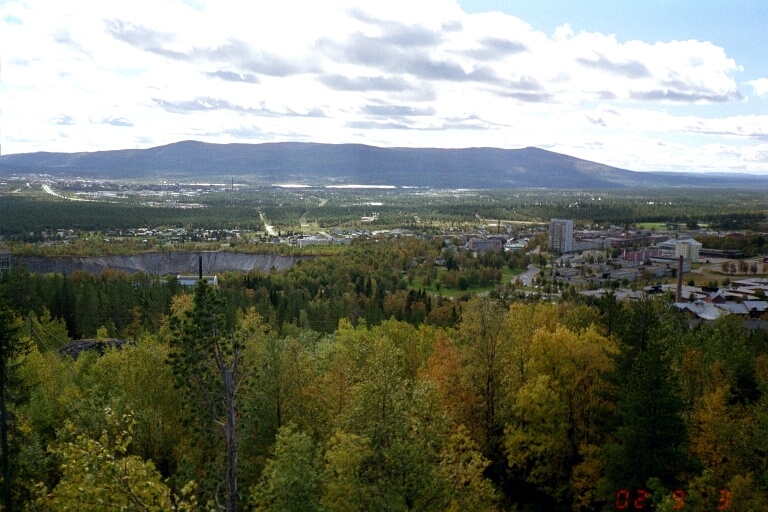
History and development
The town grew from mining activity that intensified with industrialization in the 19th and 20th centuries. Its Swedish name, which can be translated as “ore mountain,” reflects the economic foundation of the locality. Over generations the settlement attracted workers, infrastructure and services tied to ore extraction and processing, and it became one of the better-known mining communities in the region.
Mining, landscape and relocation
Malmberget sits above substantial iron ore bodies that have been mined by large-scale underground operations. Because underground extraction can weaken the bedrock, some parts of the town have experienced ground subsidence. As a result, authorities and the mining operator have carried out long-term programmes to move or demolish buildings, rehouse residents and redesign urban areas to reduce risk. The relocation process is a prominent example of how industrial activity can force major changes in a community’s layout and daily life.
Key characteristics of the town and its situation include:
- an economy strongly influenced by iron ore mining and related industries;
- transport links used to move ore and people, including rail connections that link to ports and other industrial hubs;
- ongoing urban planning challenges tied to safety, housing and preservation of local heritage.
Transport infrastructure is important for operations; railways and major roads serve the mines and connect Malmberget to regional centers. The town’s everyday life reflects a mix of industrial schedules and northern Swedish cultural traits, including close ties to outdoor life and seasonal rhythms.
Notable aspects of Malmberget are its role among Sweden’s iron-ore localities, the visible impact of mining on both landscape and community, and the social processes of relocation and adaptation that continue to reshape the town. For readers seeking current administrative or visitor information, consult local municipal and regional sources via the links above.
Related articles
Author
AlegsaOnline.com Malmberget — a Swedish mining town in Gällivare Municipality Leandro Alegsa
URL: https://en.alegsaonline.com/art/125741