
World Heritage Sites in the United States
Overview of United States places inscribed on UNESCO’s World Heritage List, their types, significance, selection process, examples, and management challenges.
Overview
The List of World Heritage Sites in the United States comprises locations nominated by the U.S. government and inscribed by the United Nations Educational, Scientific and Cultural Organization (UNESCO) for their outstanding universal value. These sites range from natural landscapes to historic urban areas and archaeological ruins. Inclusion recognizes exceptional cultural or natural significance and encourages international cooperation for their protection.
Image gallery
10 Images


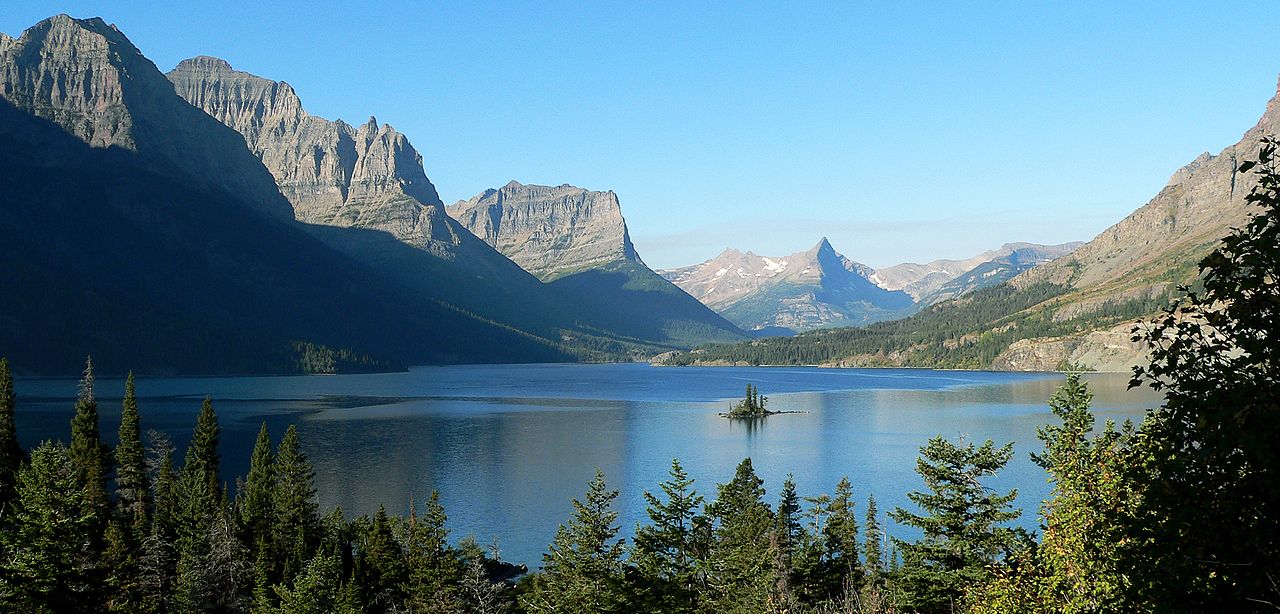


Types and characteristics
U.S. World Heritage Sites fall into three broad categories:
- Natural — areas of exceptional natural beauty, ecological importance, or geological features.
- Cultural — locations of architectural, historical, or archaeological importance that illustrate human creativity or social development.
- Mixed — sites that have both notable natural and cultural values.
Selection and inscription process
To be inscribed, a site must be on the country’s Tentative List and satisfy one or more of UNESCO’s criteria for outstanding universal value. Nominations are prepared by the State Party (the United States) and evaluated by advisory bodies before a decision by the World Heritage Committee. Inscription often brings commitments to conservation, management planning, and periodic reporting.
Examples and significance
Well-known U.S. entries include national parks and cultural landmarks that attract international attention and tourism. Examples often cited are iconic natural parks and historic sites that reflect the nation’s environmental heritage and historical developments. Listing raises awareness, supports research, and can provide access to global expertise for preservation.
Management, challenges, and distinctions
World Heritage status does not transfer ownership; sites remain under local or federal jurisdiction and must balance public access with preservation. Common challenges include development pressure, visitor impact, climate change, and resource constraints. It is important to distinguish UNESCO World Heritage inscription from national designations (such as National Historic Landmarks or the National Register of Historic Places), which are separate U.S. recognition programs with different criteria and protections.
Further information
Details about specific inscriptions, the most recent site additions, and nomination procedures are available from UNESCO and national heritage agencies. For an authoritative source on the global list and the status of U.S. properties, see the UNESCO World Heritage Centre.
Related articles
Author
AlegsaOnline.com World Heritage Sites in the United States Leandro Alegsa
URL: https://en.alegsaonline.com/art/125245