
World Heritage Sites in the Arab States
Overview of UNESCO World Heritage Sites located across Arab countries, highlighting types, notable examples, nomination and conservation challenges, and the cultural and natural significance of these places.
Overview
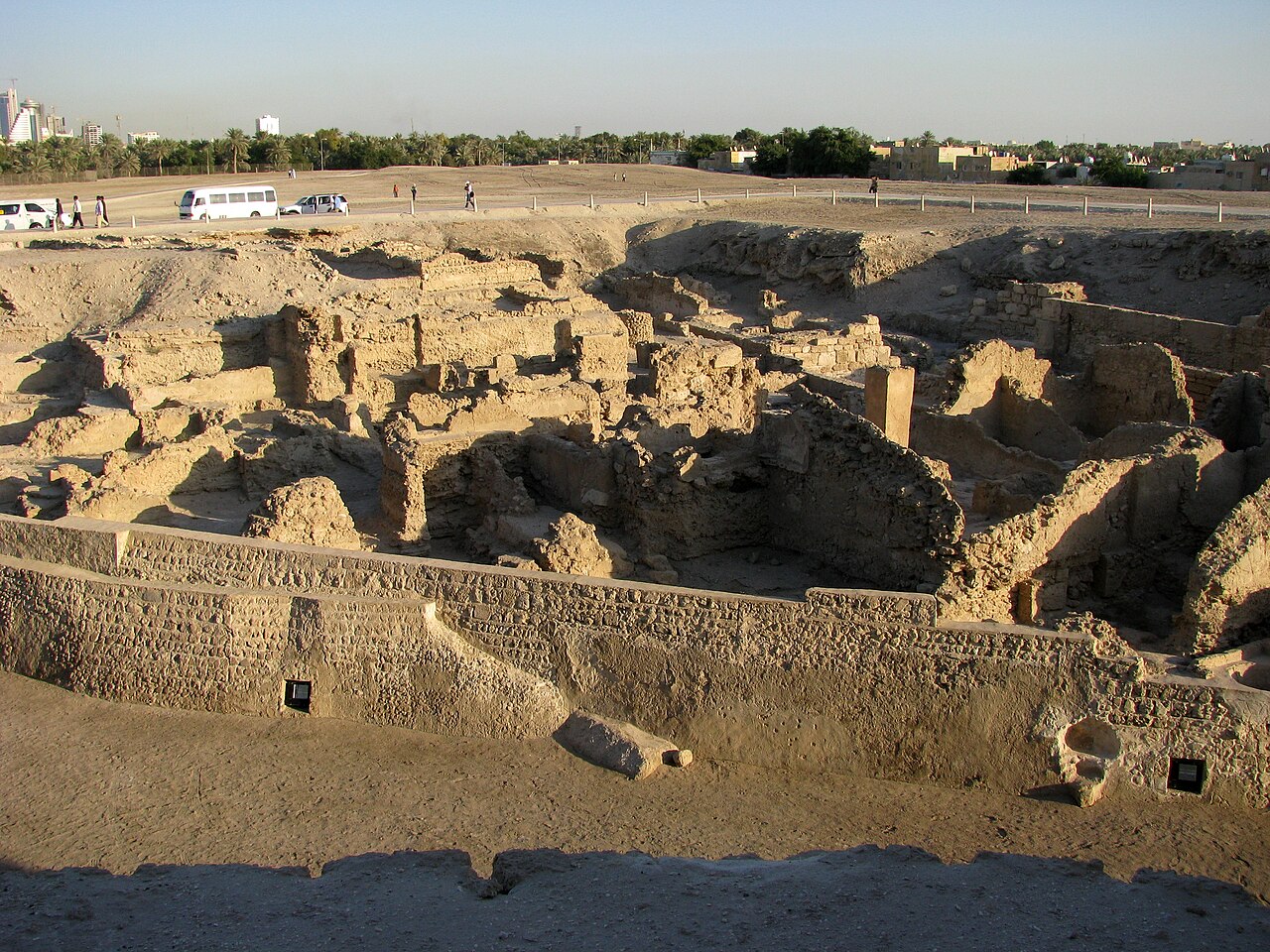
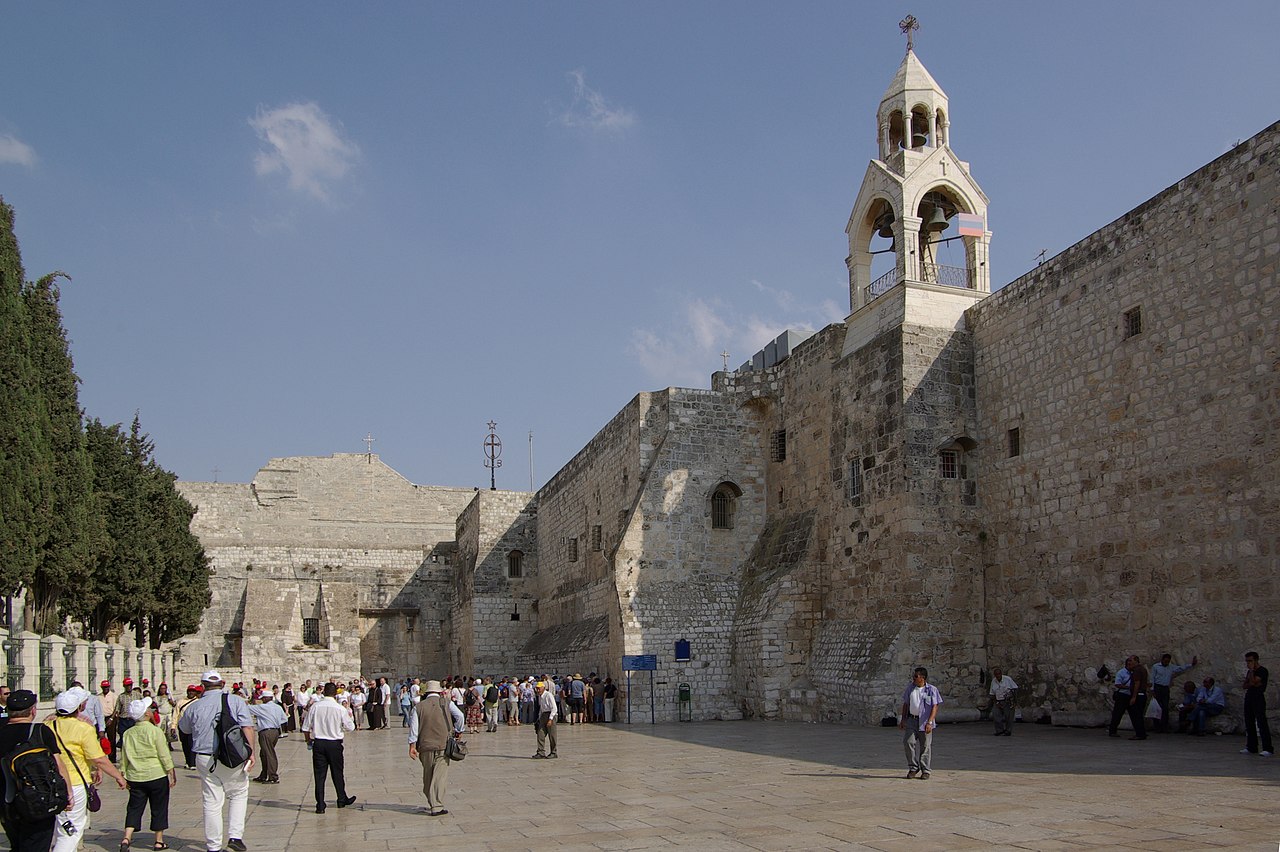
The UNESCO World Heritage List includes many sites located in Arab-speaking countries of North Africa and Western Asia. These places are inscribed for their cultural, natural, or mixed values and illustrate long and varied histories: ancient civilizations, Islamic urban traditions, caravan and maritime trade networks, and distinctive landscapes such as deserts, oases and coastal environments. The sites reflect layers of human activity that span prehistory, classical antiquity, medieval and later periods.
Image gallery
10 Images


Types and notable examples
Most inscriptions in the region are cultural, including archaeological sites, historic towns, religious complexes and fortified structures. Notable examples often cited are:
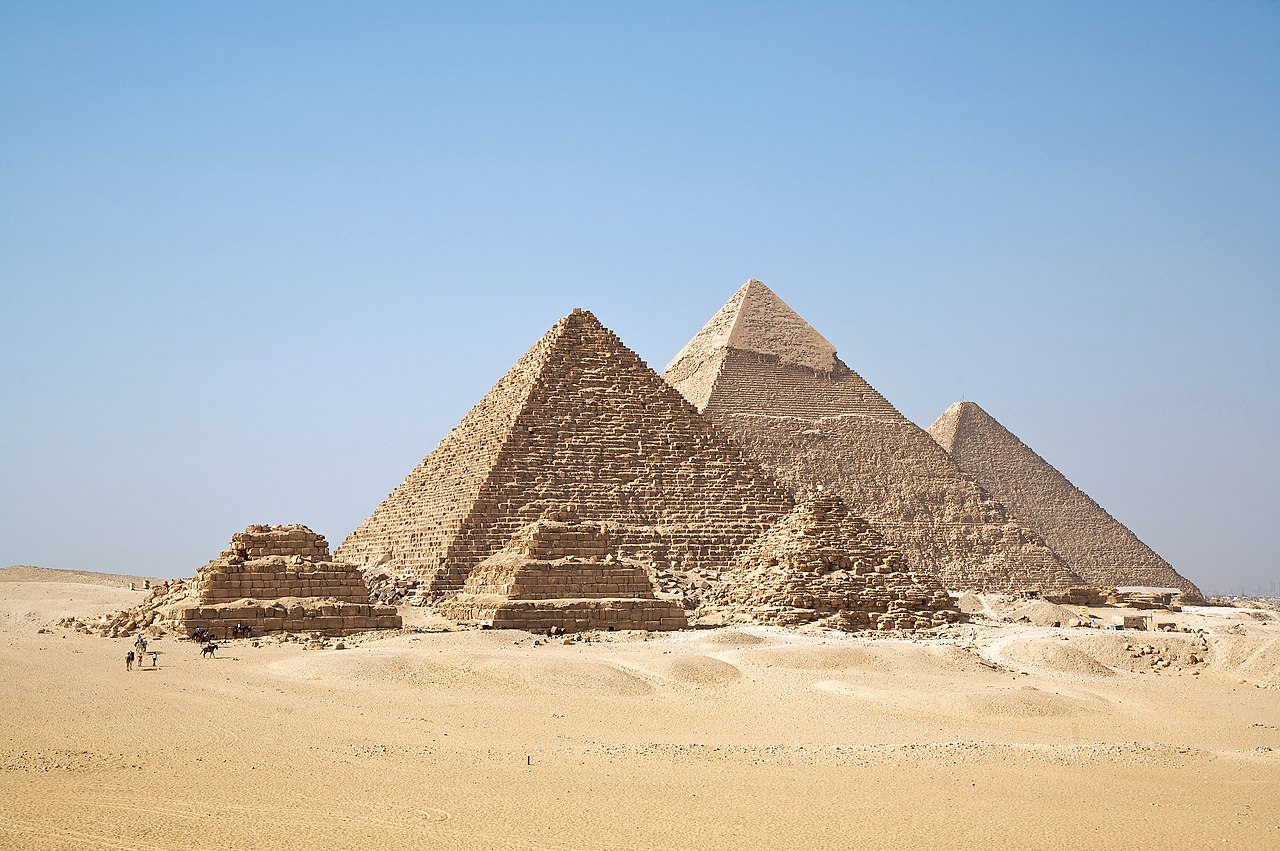
- Iconic archaeological sites and monuments such as Petra in Jordan and the pyramids and ancient temple complexes of Egypt.
- Historic urban centres and medinas, including the old quarters of several North African cities and well-known historic cities like Fez and Marrakesh in Morocco.
- Ancient trading ports and coastal sites, for example Phoenician-era Byblos in Lebanon and Carthage in Tunisia.
- Traditional settlements and vernacular architecture such as the mud-brick towers of Shibam in Yemen and fortified complexes in Oman.
- Distinctive cultural landscapes and archaeological regions across Sudan, Iraq and the Arabian Peninsula.
Nomination and management
States submit nomination dossiers that justify outstanding universal value, demonstrate authenticity and integrity, and set out protection and management arrangements. Effective inscription usually requires legal protection, management plans, and capacity for conservation and monitoring. Many countries work with international partners, conservation specialists and local communities to develop sustainable management approaches.
Significance, threats and responses
World Heritage designation can raise awareness, encourage tourism and attract technical and financial assistance. At the same time sites face pressures from urban growth, inappropriate development, looting, tourism impacts, environmental change and, in some cases, armed conflict. Responses include emergency conservation measures, risk assessment, community-based stewardship, training programs and regional cooperation to share expertise and coordinate protection efforts.
Regional importance
The Arab States present a rich concentration of interconnected heritage layers that are important for global history and scholarship. Their preservation supports cultural identity, educational initiatives and responsible tourism while requiring ongoing collaboration to address complex conservation challenges.
Related articles
Author
AlegsaOnline.com World Heritage Sites in the Arab States Leandro Alegsa
URL: https://en.alegsaonline.com/art/125243