
Wasting Light (Foo Fighters album)
Wasting Light is the seventh Foo Fighters studio album (2011), recorded on analog tape in Dave Grohl's garage, produced by Butch Vig, and widely praised for its production, songwriting and Grammy wins.
Wasting Light is the seventh studio album by the American rock band Foo Fighters. Issued on April 12, 2011 by Roswell and RCA Records, the record attracted attention for its deliberate analog production, its return to a raw guitar-driven aesthetic and for winning several major awards. The project re-established long-term creative ties between frontman Dave Grohl and producer Butch Vig, and it marked the return of guitarist Pat Smear as a full member of the band.
Image gallery
4 Images


Background and songwriting
Work for the album began after an extended period of touring and side projects. The band wrote and arranged most material collaboratively, rehearsing intensively so performances could be captured live. Lyric themes on Wasting Light range from personal reflection and loss to the anxieties and ironies of modern life, expressed through concise, riff-led songs. Several tracks feature dense vocal harmonies and layered guitar textures characteristic of Foo Fighters’ catalogue, filtered through a more immediate, analog-forward approach.
Recording and production
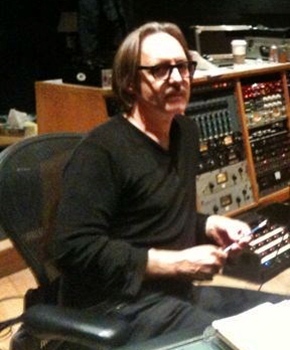
The recording process was notable for its setting and methods. Rather than using a conventional commercial studio, the band recorded in Grohl’s suburban garage in Encino, California, building a makeshift studio and using only analog tape machines, consoles and outboard gear where possible. That choice was made to capture the energy of live performance and the tonal qualities of vintage equipment. Producer Butch Vig, who had earlier worked with Grohl during sessions for Nirvana and the album Nevermind, supervised the sessions and emphasized rehearsal and tight playing because analog recording offers limited scope for post‑take digital editing. As a result, the band spent weeks ensuring songs could be performed cleanly before committing them to tape.
Contributors and musical style
In addition to the core lineup, Wasting Light includes guest appearances that add color without overwhelming the band’s direct sound. Notable contributors listed in the credits include Bob Mould, Jessy Greene, Rami Jaffee and Fee Waybill; former Nirvana bassist Krist Novoselic also appears in the album’s extended personnel. The music mixes aggressive rock riffs with melodic choruses and occasional experimental flourishes, balancing immediacy and craft.
Release, singles and reception
The album produced six official singles and achieved strong international chart performance, reaching number one in multiple countries. The lead single "Rope" notably debuted atop the Rock Songs chart compiled by Billboard, an uncommon achievement at the time. Contemporary critics praised the record’s songwriting and the clarity of its analog production, often describing the sound as punchy, immediate and emotionally resonant.
Awards and legacy
Wasting Light won multiple Grammy Awards in 2012, including Best Rock Album, and is frequently cited in discussions about modern recording practices for major rock acts. Its success reinforced the idea that a high-profile band could reject conventional digital workflows in favor of performance-driven, tape-based production and still attain both critical and commercial acclaim. The record remains an influential example of how production choices shape the perceived authenticity and energy of rock music in the 21st century.
- Recorded in Dave Grohl’s garage using analog tape and vintage consoles.
- Produced by Butch Vig, reconnecting to earlier alternative‑rock collaborations.
- Released by Roswell and RCA Records, spawning six singles and broad chart success.
- Features guest musicians and the return of Pat Smear to full-time status.
As a statement of intent, Wasting Light combined disciplined performance, traditional recording techniques and contemporary songwriting to produce a record that both honored the band’s roots and engaged a wide audience. For listeners and practitioners interested in production, the album serves as a practical demonstration of how analog processes can influence arrangement, performance and final sound.
Rock audiences and historians often point to the album when tracing the persistence of guitar-centric, performance-first recording approaches in mainstream popular music.
Questions and answers
Q: What is the name of the seventh studio album by Foo Fighters?
A: The name of the seventh studio album by Foo Fighters is Wasting Light.
Q: Who produced the album?
A: The album was produced by Butch Vig.
Q: Where was the album recorded?
A: The album was recorded in Dave Grohl's garage in Encino, California.
Q: How did they record it?
A: They recorded it using only analog equipment.
Q: Who were some of the guests who played on the album?
A: Some of the guests who played on the album included Bob Mould, Krist Novoselic, Jessy Greene, Rami Jaffee and Fee Waybill.
Q: What chart did Rope go straight to number one on?
A: Rope went straight to number one on Billboard's Rock Songs chart.
Q: How many Grammy Awards did Wasting Light win in 2012?
A: In 2012, Wasting Light won four Grammy Awards.
Author
AlegsaOnline.com Wasting Light (Foo Fighters album) Leandro Alegsa
URL: https://en.alegsaonline.com/art/147520