
RCA Records: history, innovations, and cultural impact
RCA Records, originally the Victor Talking Machine Company and later RCA Victor, is a major American record label known for technical innovations and a roster of influential artists; now part of Sony Music.
RCA Records is one of the longest‑running and best‑known American record labels. Founded in the era of acoustic phonographs as the Victor Talking Machine Company and later rebranded as RCA Victor after acquisition by the Radio Corporation of America, the label has been associated with landmark technological advances, distinctive branding, and a wide array of popular and classical releases. Today the imprint operates as a flagship label within Sony Music Entertainment.
Image gallery
10 Images

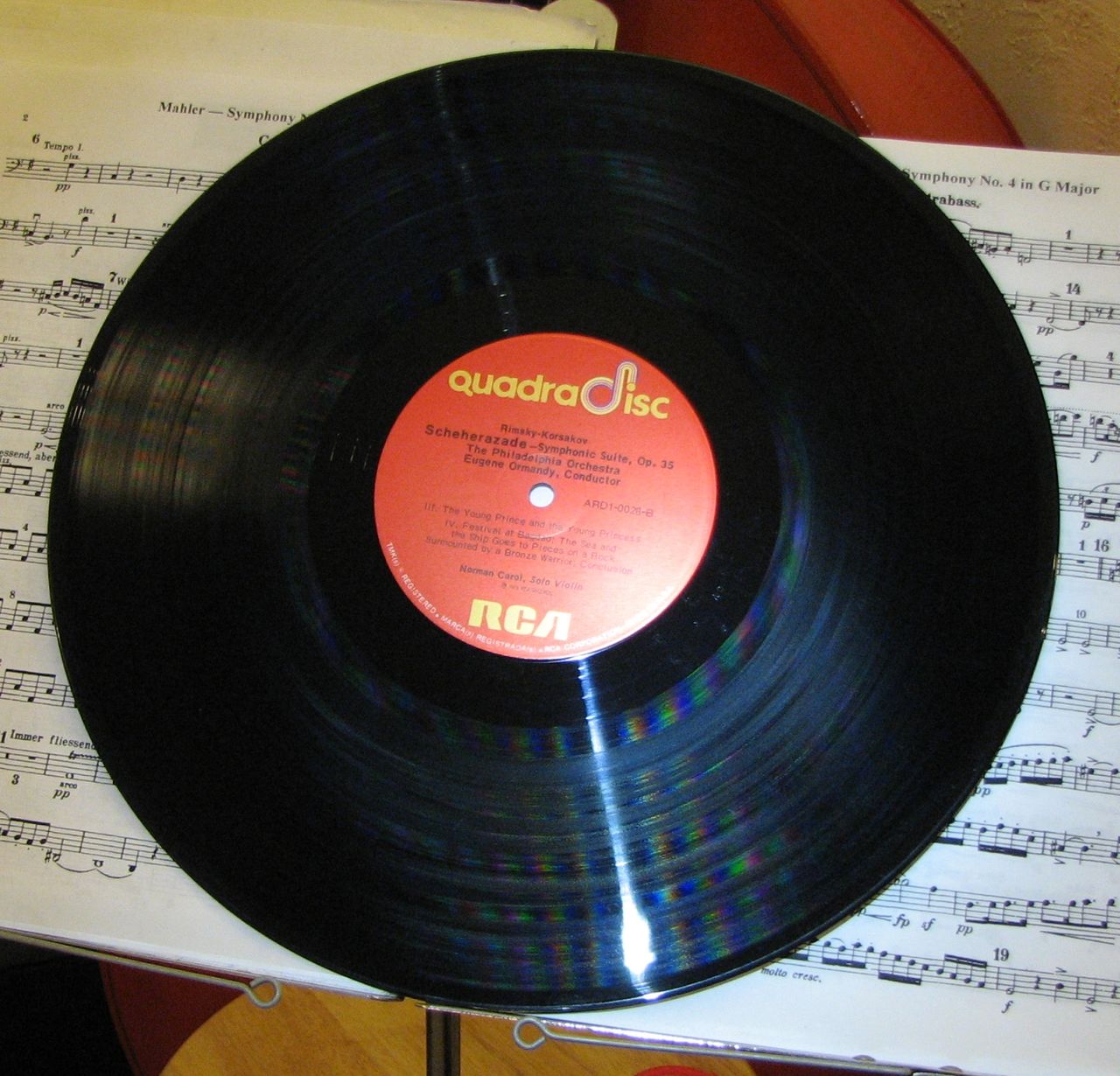
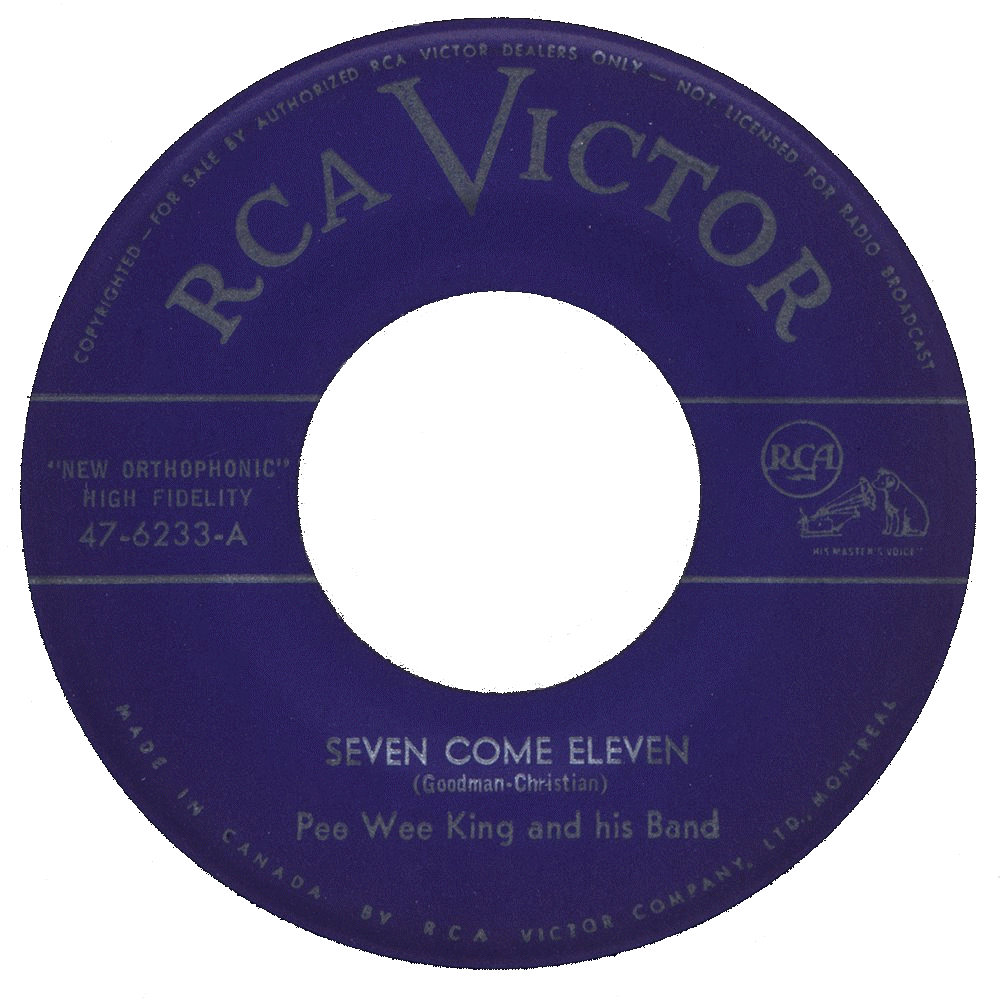


Origins and early development
The company began life in the early 20th century as a manufacturer of phonographs and records. After becoming part of the Radio Corporation of America (RCA) in the late 1920s, the record division adopted the RCA Victor name and continued to produce recordings under the familiar "His Master's Voice" motif and the Nipper dog trademark inherited from the Victor era. Throughout the 1930s and 1940s the label expanded its catalog across popular, jazz and classical repertoire.
Technological and commercial innovations
RCA played a visible role in recording and playback technology. The company introduced commercial formats and marketing campaigns that helped shape the record industry—for example, RCA developed and promoted new record speeds and stereo recording techniques, and it launched trade names that emphasized sound quality. These developments influenced consumer adoption of new home audio equipment and formats in the mid‑20th century.
Artists, genres, and cultural impact
Over its history RCA has released recordings by performers across many genres, from early classical and opera to 20th‑century popular music and contemporary pop and rock. The label has appeared on landmark releases that reached wide audiences, and its imprint has been used for both mainstream pop acts and specialty classical and jazz series. Its roster and marketing helped shape public tastes during radio's heyday and into the rock and pop eras.
Corporate changes and modern role
RCA's ownership and corporate structure changed several times during the late 20th century as media companies reorganized, and the label ultimately became part of the major global music groups that consolidated the industry. As an active imprint within Sony's portfolio, RCA continues to sign and promote artists while maintaining catalog releases and reissues from its long history. For a corporate overview see the label entry at RCA Records label.
Notable distinctions and regional history
One often cited fact is that RCA's Canadian operation is among the oldest surviving record labels in Canada, having survived the economic disruptions of the 1930s and maintained a continuous presence in the Canadian market; for regional details consult RCA's Canadian unit. Beyond national distinctions, RCA's legacy is visible in its branding, catalog of historical recordings, and early advocacy of technical standards that shaped recorded sound.
- Legacy: long catalog spanning classical to pop
- Innovation: influential in format and stereo developments
- Branding: famous Victor/RCA imagery and imprint continuity
Today RCA Records is recognized both for its role in the commercial development of recorded music and for the long list of recordings and artists that passed through its roster. Its history reflects broader shifts in technology, corporate ownership, and popular taste across more than a century of the music industry.
Related articles
Author
AlegsaOnline.com RCA Records: history, innovations, and cultural impact Leandro Alegsa
URL: https://en.alegsaonline.com/art/81424
Sources
- courierpostonline.com : Courier-Post newspaper photo gallery of RCA's early years in Camden, N.J.
- bertelsmann.com : bertelsmann.com