
Thomas Pynchon: life, major works, style and influence
Comprehensive overview of novelist Thomas Pynchon: biography, major books, themes and literary significance, with links to further resources.
Overview
Thomas Ruggles Pynchon Jr., born May 8, 1937, is an American novelist widely regarded as one of the most important and enigmatic figures in postwar literature. He is noted for long, densely layered novels that blend historical detail, dark comedy, technical curiosity, and complex plotting. Pynchon's reputation rests on a handful of major works that have influenced contemporary fiction and scholarly study alike. He is a recipient of major literary honors and has been described as intensely private, avoiding public appearances and interviews.
Image gallery
10 Images



Life and background
Pynchon grew up on Long Island, New York, and his early adult life included a period of service in the United States Navy. He studied English at Cornell University and began publishing short fiction while still a young man. Those early stories and magazine pieces led to his first novels in the 1960s and established many of the motifs he would revisit throughout his career. For readers seeking basic biographical summaries or a bibliography, consult a general author profile via biographical resources or a dedicated academic overview.
Major works
Pynchon's best-known books from the 1960s and 1970s include V., The Crying of Lot 49, and Gravity's Rainbow. These titles vary in scale but share a fascination with conspiracy, communication systems, and the cultural effects of science and technology. For a compact bibliography or a list of his publications, see a bibliographic page at fiction listings or for his essays and shorter non-fiction pieces, see non-fiction.
- V. — Debut novel that mixes picaresque adventure with enigmas about identity and history.
- The Crying of Lot 49 — Shorter, still tightly constructed, often used as an introduction to Pynchon's themes.
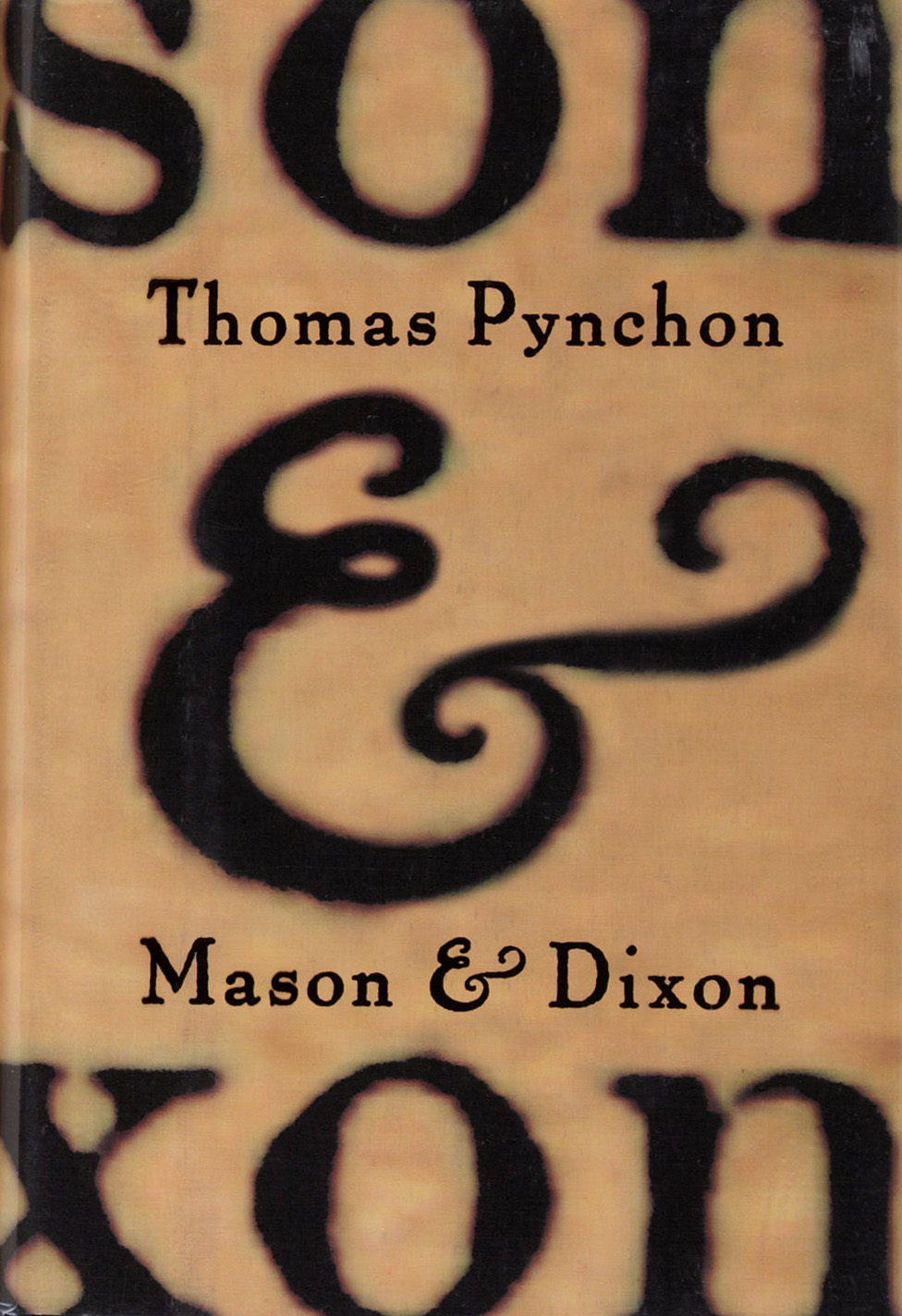
- Gravity's Rainbow — Ambitious, sprawling novel that won the U.S. National Book Award for Fiction and established Pynchon's legacy as a major voice in American letters.
- Later works continue to explore technological change, popular culture, and the interplay of paranoia and play.
Style, themes and critical response
Pynchon's writing is frequently described as postmodern: it is playful with narrative form, rich in allusion, and resistant to simple interpretation. Recurring themes include entropy and order, conspiratorial networks, the social consequences of scientific innovation, and the ways individuals negotiate mass media and history. Critics have praised his erudition and linguistic invention while also noting the difficulty his dense prose presents to some readers. For commentary and criticism, consult scholarly essays or critical introductions at critical resources and short story archives.
Importance and distinctions
Pynchon's books have become staples of university courses on twentieth-century and contemporary literature and have inspired a broad range of scholarship. He has been recognized by major prizes and fellowships, including a MacArthur Fellowship, which signal his impact on American letters. His reclusiveness has generated as much public curiosity as his fiction; he is often cited as an example of a writer who keeps literary production and public persona strictly separate. For material on his academic affiliations and early career, see Cornell resources and for information about his service, see military records summaries.
Further reading and resources
Those interested in deeper study will find annotated editions, critical companions, and archival materials useful. Library and academic portals provide collected criticism and guides to recurring motifs; look for introductions, timelines, and annotated bibliographies at educational pages and essay collections. For accessible introductions or a concise list of published works, consult general literary overviews at author overviews or publisher pages listed under bibliographic entries.
Author
AlegsaOnline.com Thomas Pynchon: life, major works, style and influence Leandro Alegsa
URL: https://en.alegsaonline.com/art/146729