
Agustín Edwards Eastman: Chilean media proprietor and political figure
Profile of Agustín Edwards Eastman (1927–2017), long-time owner of El Mercurio newspapers, his influence on Chilean media and politics, controversies, and legacy.
Overview
Agustín Iván Edmundo Edwards Eastman (24 November 1927 – 24 April 2017) was a prominent Chilean newspaper publisher and heir to the Edwards family's media interests. Best known as the long-time head of the El Mercurio group, he played a central role in shaping conservative public discourse in Chile during the second half of the 20th century. Born in Paris, he later returned to Chile to manage the family's publishing business and became one of the country's wealthiest and most controversial public figures. For a general biographical note, see born in Paris.
Image gallery
3 Images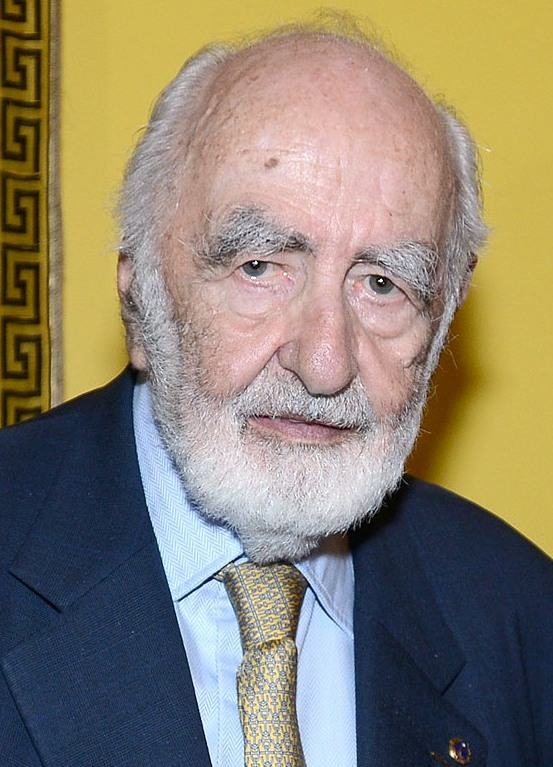


Media holdings and editorial stance
Edwards inherited control of El Mercurio Sociedad Anónima Periodística (often shortened to El Mercurio SAP), the company behind several of Chile's leading dailies, including El Mercurio and La Segunda. Under his stewardship these papers were known for a conservative editorial line, opposition to socialist policies, and strong engagement with economic and political issues. The newspapers combined national reporting, opinion pages, and cultural coverage, making them influential among Chile's political and business elites.
Political influence and controversies
Edwards' use of his media outlets to influence public debate attracted both support and criticism. He and his newspapers openly opposed the socialist government of Salvador Allende in the early 1970s and supported efforts to remove it from power. His stance and the way his papers covered the period remain subjects of historical debate; for context on the 1973 coup and its media environment consult coverage of the 1973 events.
Internationally, Edwards' name appears in discussions of Cold War-era efforts to shape media narratives. The United States Senate's Church Committee investigated covert activities in which foreign news outlets and individuals were sometimes involved; the committee report mentions Edwards in relation to these topics. Readers can refer to the committee's findings via the Church Committee records.
Legacy, defense, and criticism
Supporters of Edwards emphasize his role in sustaining major news organizations, preserving editorial independence from some state pressures, and contributing to public debate. Critics argue that his concentrated control of influential newspapers allowed for one-sided presentation of political issues and that his outlets played a part in legitimizing authoritarian measures. Historians and media scholars continue to debate the balance of his contributions and the consequences of his editorial policies.
Death and remembrance
Edwards died on 24 April 2017 in Graneros, Chile. Reports indicate he died from respiratory failure at age 89. Contemporary obituaries and news reports note both his status as a leading media proprietor and the controversies that marked his career; see a representative notice at news report on his death and further reporting at additional coverage.
Further reading
- Biographical summaries and family background
- Accounts of 1970s Chile and the role of the press
- U.S. Senate Church Committee material on Cold War media operations
- Obituary and local reporting
- Contemporary analyses and commentary
Note: This article summarizes widely reported aspects of Agustín Edwards Eastman's life and career. Some topics—especially those involving covert operations, political influence, and historical interpretation—are complex and contested; readers should consult multiple sources when researching disputed events.
Related articles
Author
AlegsaOnline.com Agustín Edwards Eastman: Chilean media proprietor and political figure Leandro Alegsa
URL: https://en.alegsaonline.com/art/1464
Sources
- eldinamo.cl : A los 89 años fallece Agustín Edwards Eastman, dueño del diario El Mercurio