
St George's Chapel, Windsor Castle
A late-medieval royal chapel at Windsor Castle, St George's Chapel is a Royal Peculiar, the spiritual home of the Order of the Garter and the site of many royal ceremonies, burials and daily worship.
Overview
St George's Chapel stands within the Lower Ward of Windsor Castle in England. It is an active Anglican place of worship and a prominent royal foundation. Governed by a Dean and a body of Canons, the chapel forms part of the College of St George and is distinctive in its status as a Royal Peculiar — a church that comes directly under the authority of the British monarch rather than a diocesan bishop. Although it is not a cathedral, its scale, functions and historic importance make it one of the United Kingdom's most significant ecclesiastical buildings.
Image gallery
9 Images




Architectural character
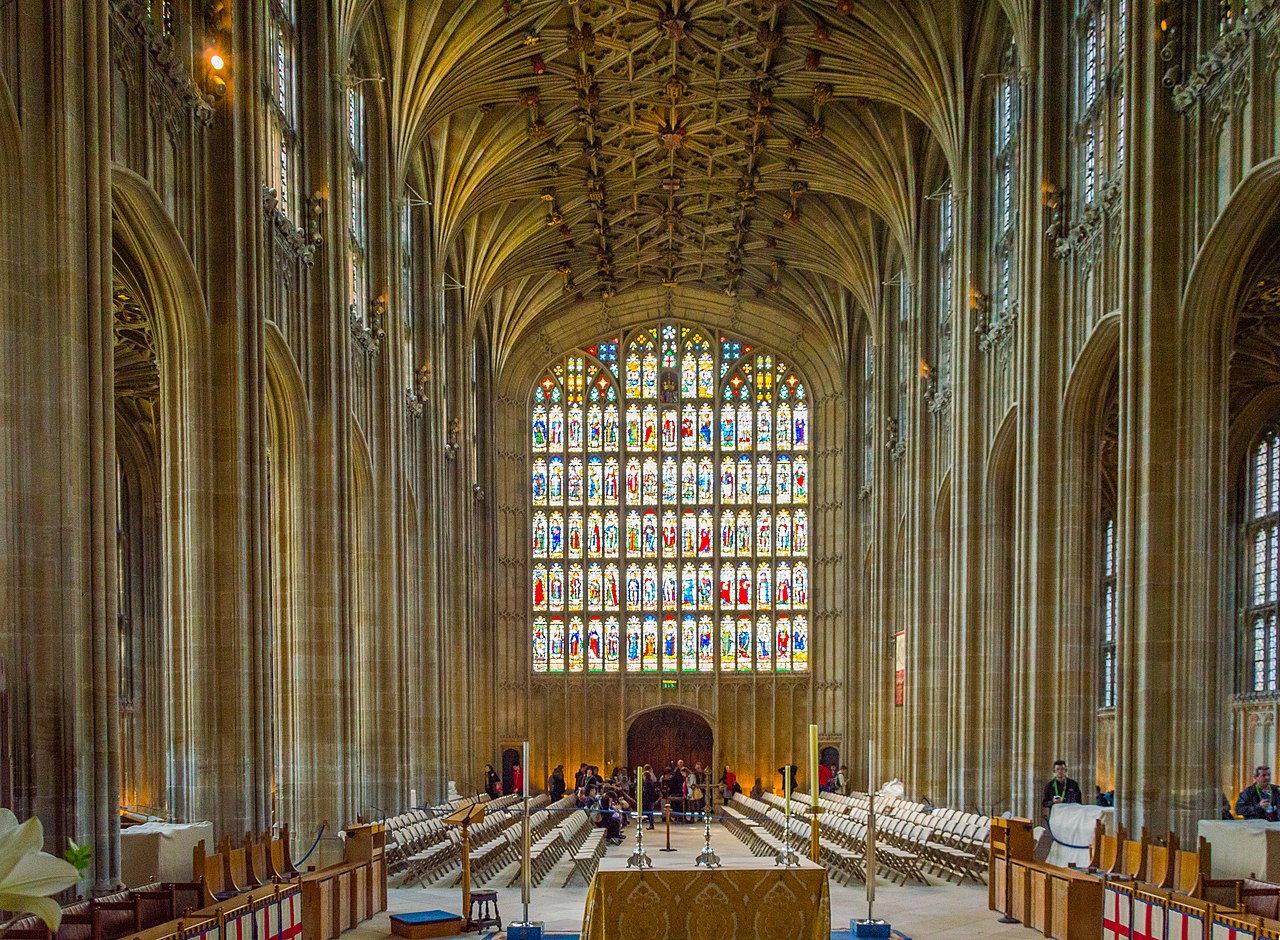
The chapel is widely admired as a fine example of late Gothic architecture in England. Its interior includes a richly detailed choir, carved wooden stalls, heraldic display, and stonework that exemplifies the perpendicular Gothic style. Visitors note the elaborate roof vaulting, stained glass, and the banners and stall plates of the Knights of the Garter suspended above the choir stalls. Over many centuries successive monarchs and architects have altered and conserved the fabric, so the chapel today reflects layers of medieval and later repair work while retaining its medieval character.
History and development
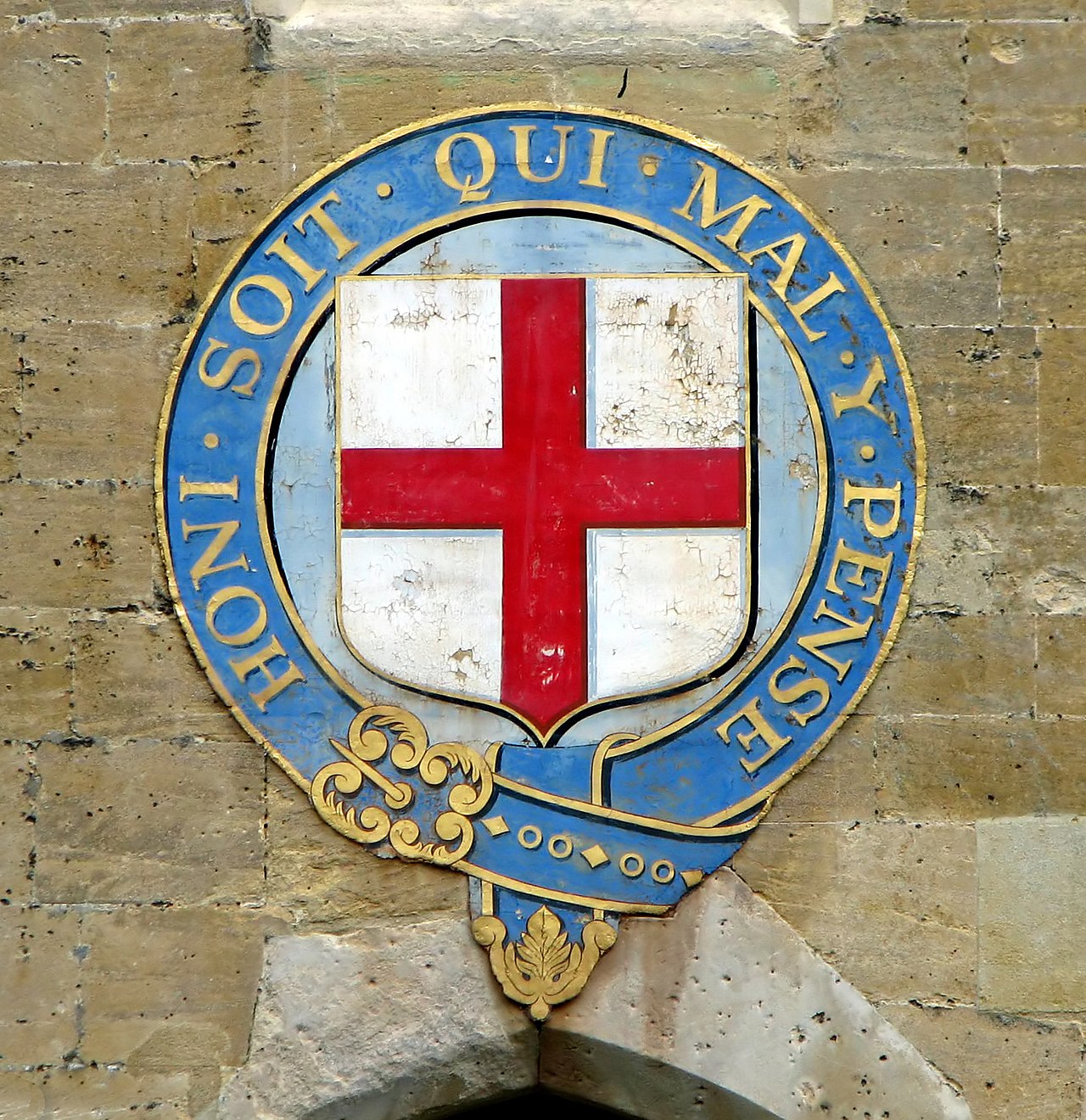
Founded as a royal foundation connected to the monarchy and the Order of the Garter, the chapel's origins are closely tied to the development of chivalric and royal ceremony. It has evolved through building campaigns, restorations and additions across the centuries. The chapel has long housed the liturgical and ceremonial life associated with the crown, and it remains the spiritual home of the Order of the Garter, whose annual observances and investitures still centre on the building.
Functions, ceremonies and notable events
St George's Chapel is used for regular services and for major royal ceremonies. It is the chosen venue for some royal weddings, high-profile funerals and thanksgiving services for the royal family. In recent years the chapel has hosted high-profile national events and private worship for the royal household. The chapel's choir and liturgy form a continuous tradition of choral worship and ceremonial music.
Burials, memorials and the Order of the Garter
The chapel contains numerous tombs, memorials and monuments to monarchs, consorts and other notable figures associated with the crown. It also displays the full ceremonial accoutrements of the Order of the Garter: banners, insignia and the carved stall plates that record the membership of the order. These features make the chapel both a place of devotion and a repository of national and dynastic memory.
Visiting, governance and preservation
The chapel is administered by the College of St George and its staff; conservation and upkeep are ongoing to protect the historic fabric and the many artworks and monuments it contains. It remains accessible to worshippers and, subject to royal and ceremonial commitments, to the public for tours and services. For more detailed information about services, visiting hours or the role of the Dean and Canons, see official resources maintained by the foundation and institutional guides at the castle and associated authorities (Windsor Castle, Dean, Canons).
- Royal Peculiar status and direct royal jurisdiction (British monarch authority).
- Long association with the Order of the Garter and its ceremonies.
- Site of royal burials, memorials and high-profile services.
- Open for worship and public visiting subject to ceremonial use.
For general context about the chapel's place within the English church structure and how that differs from diocesan bishop-led oversight or a cathedral foundation, reference materials and institutional descriptions provide clear distinctions and background on the unique role of royal peculiars in the United Kingdom (England, royal weddings, Canons).
Author
AlegsaOnline.com St George's Chapel, Windsor Castle Leandro Alegsa
URL: https://en.alegsaonline.com/art/146031