
1586 (year)
1586 was a common year notable for the Babington Plot against Elizabeth I, Sir Francis Drake's Caribbean raids, the death of Sir Philip Sidney, and Toyotomi Hideyoshi's consolidation of power in Japan.
Overview
1586 was a common year in the late Renaissance period marked by political intrigue, overseas expeditions and military engagements that reflected growing global contacts. In Europe, tensions between Protestant England and Catholic powers intensified. Outside Europe, leaders and explorers continued to shape emerging colonial and state structures.
Image gallery
8 Images



Notable events
Several events from 1586 had wider consequences in the years that followed:
- The Babington Plot, a conspiracy to assassinate Queen Elizabeth I and place Mary, Queen of Scots on the English throne, was uncovered; its exposure led to arrest and prosecution of conspirators and ultimately influenced Mary's fate.
- Sir Francis Drake led a successful English expedition against Spanish possessions in the Caribbean, striking cities such as Santo Domingo and Cartagena. These raids increased Anglo-Spanish animosity that would culminate in later conflicts.
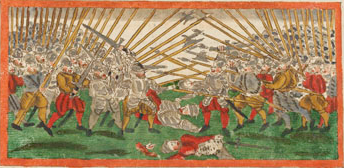
- In the Netherlands and the Low Countries the fighting of the Eighty Years' War continued, with English volunteers and forces active in support of Dutch resistance to Spanish rule.
- In Japan, the warlord Toyotomi Hideyoshi consolidated authority and took up the high court title of kampaku (regent), moving toward national unification after decades of civil war.
- English colonial efforts in North America, including the Roanoke ventures, remained active; supply missions and interactions with Indigenous peoples characterized these early attempts at settlement.
People and legacy
The year saw the death of notable figures such as the English poet and soldier Sir Philip Sidney, mortally wounded at the Battle of Zutphen while serving forces allied with the Dutch. The revelations of plots and the raids by privateers helped set the stage for the larger Anglo-Spanish confrontations that followed. For readers seeking more on specific incidents from 1586, see contemporary chronologies and collections.
Distinctions
1586 sits between momentous years of the late 1580s: it is part of the run-up to the Spanish Armada (1588) and also falls in the era of European overseas expansion and state centralization in Asia. The year's mix of espionage, naval action and political consolidation illustrates the interconnected military, diplomatic and colonial dynamics of the time.
Related articles
Author
AlegsaOnline.com 1586 (year) Leandro Alegsa
URL: https://en.alegsaonline.com/art/111514