
British Rail Classes 251 and 261 (Blue Pullman)
Blue Pullman diesel‑electric multiple units introduced 1960 for luxury high‑speed Pullman services on British Rail; innovative but short‑lived, later classified as Classes 251 and 261.
Overview
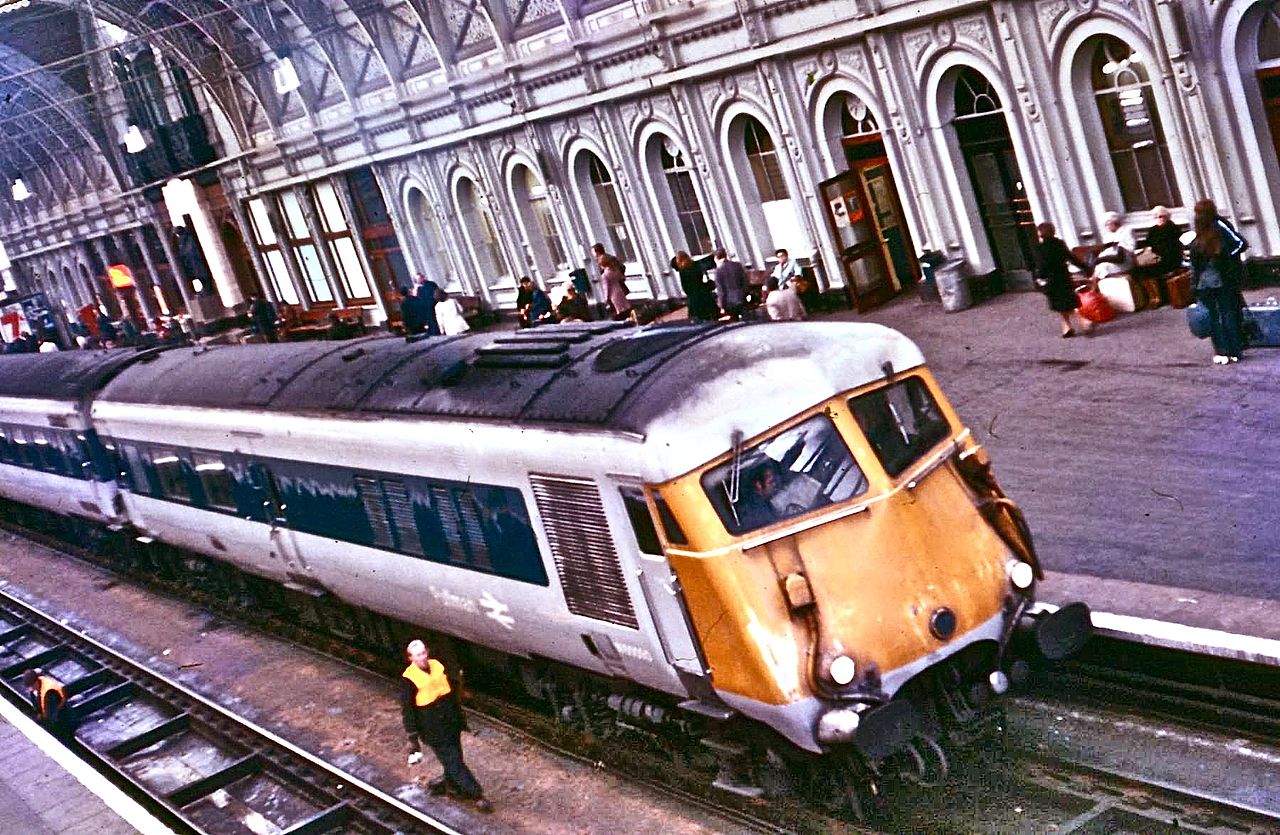
The trains commonly known as the Blue Pullman were a group of purpose‑built diesel‑electric multiple units introduced by British Railways in 1960 to provide luxury, high‑speed Pullman services. Painted in a distinctive grey‑blue livery, they were intended as modern, all‑first‑class alternatives to the traditional locomotive‑hauled Pullman trains run by the Pullman Car Company and to electric sets such as the Brighton Belle. Under the later TOPS regime the fixed‑formation sets were designated Classes 251 and 261.
Image gallery
10 Images




Design and characteristics
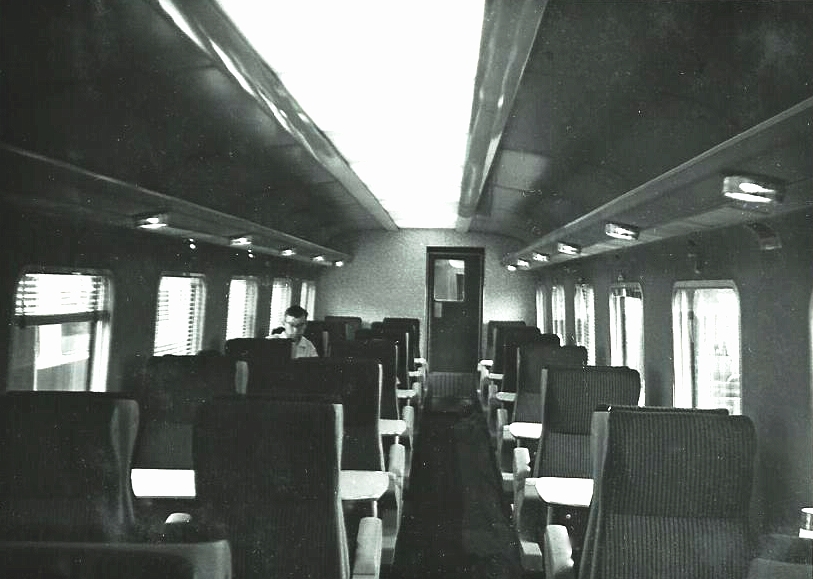
The Blue Pullman units were built as fixed formations and featured diesel engines driving electrical transmission, making them diesel‑electric multiple units rather than locomotive‑hauled trains. They incorporated a number of passenger‑focused innovations for their era, including air‑conditioned saloons, dedicated buffet facilities, and interiors styled for comfortable long‑distance travel. Externally the livery and streamlined appearance signalled a modern, premium product aimed at competing with road and air travel.
Key technical and passenger features
- Fixed‑formation multiple‑unit layout, produced in two lengths to suit different routes.
- Diesel engines with electric transmission, providing distributed power through the set rather than a separate locomotive.
- Enhanced passenger amenities: first‑class seating, climate control, and onboard catering.
- A distinctive corporate livery and a design focused on speed, comfort and prestige.
History and operations
The Blue Pullman concept emerged from the British Railways Modernisation Plan of the 1950s, which sought to renew services and attract passengers away from private cars and the nascent domestic airline market. From their introduction in 1960 the sets operated on selected express routes where a premium, all‑first‑class offering could be sustained. They demonstrated that fixed‑formation, high‑speed multiple units could provide competitive intercity services and they influenced subsequent high‑speed rolling stock design in Britain.
Service life, reception and withdrawal
Although visually striking and comfortable, the Blue Pullmans were expensive to operate and presented maintenance challenges. They achieved a degree of public acclaim for their luxury but were not universally regarded as a long‑term commercial success. Operational costs, changing market conditions and evolving rolling‑stock strategies led to their phased withdrawal in the early 1970s, with the last sets taken out of service by 1973. None of the Blue Pullman units survived into preservation.
Legacy and significance
Despite a relatively short service life, the Blue Pullman trains left an important legacy. They proved the practicality of fixed‑formation, high‑speed diesel multiple units for intercity travel and encouraged design thinking that contributed to later developments such as the InterCity 125. For railway historians and enthusiasts the Blue Pullman remains notable for its attempt to combine Pullman‑style luxury with modern multiple‑unit technology. Contemporary accounts, technical analyses and preserved documentation can be found via specialist resources and historical archives indexed online, including material relating to the electric multiple units they were intended to complement.
Notable facts: they were introduced under the 1955 Modernisation Plan, provided all‑first‑class Pullman services in a multiple‑unit form, and though innovative they were retired early and none were preserved.
Tags
Related articles
Author
AlegsaOnline.com British Rail Classes 251 and 261 (Blue Pullman) Leandro Alegsa
URL: https://en.alegsaonline.com/art/14533