
Roger B. Chaffee
American naval aviator, test pilot and NASA astronaut who served as a capsule communicator for Gemini 4 and died in the Apollo 1 cabin fire during a 1967 ground test.
Roger Bruce Chaffee (February 15, 1935 – January 27, 1967) was an American naval aviator, test pilot and astronaut. He combined operational flying experience with systems testing and technical support duties for NASA's early human spaceflight efforts. During his time in the astronaut corps he worked on flight procedures, hardware checks and communications protocols used by flight crews and ground teams.
Image gallery
10 Images


Early life and education
Chaffee was born in Grand Rapids, Michigan. He studied aeronautics and pursued a career in naval aviation, gaining experience as a carrier-qualified pilot before moving into flight test work. His background in engineering and hands-on flying helped prepare him for the systems-focused assignments he later carried out at NASA.
Naval service and test flying
As a naval aviator Chaffee flew operationally and later performed flight testing of high-performance aircraft. His test pilot duties required detailed evaluation of aircraft systems and handling, and provided relevant expertise for spacecraft development. At NASA he also flew research jets to support studies of handling and control that informed spacecraft and launch vehicle work.
Role at NASA
Selected to the astronaut corps in the 1960s, Chaffee took assignments both on the ground and in preparations for crewed missions. He served as a capsule communicator, acting as a primary voice between Mission Control and crews during flights such as Gemini support. His responsibilities included systems checks, procedure development and helping crews rehearse complex tasks.
Apollo 1 accident
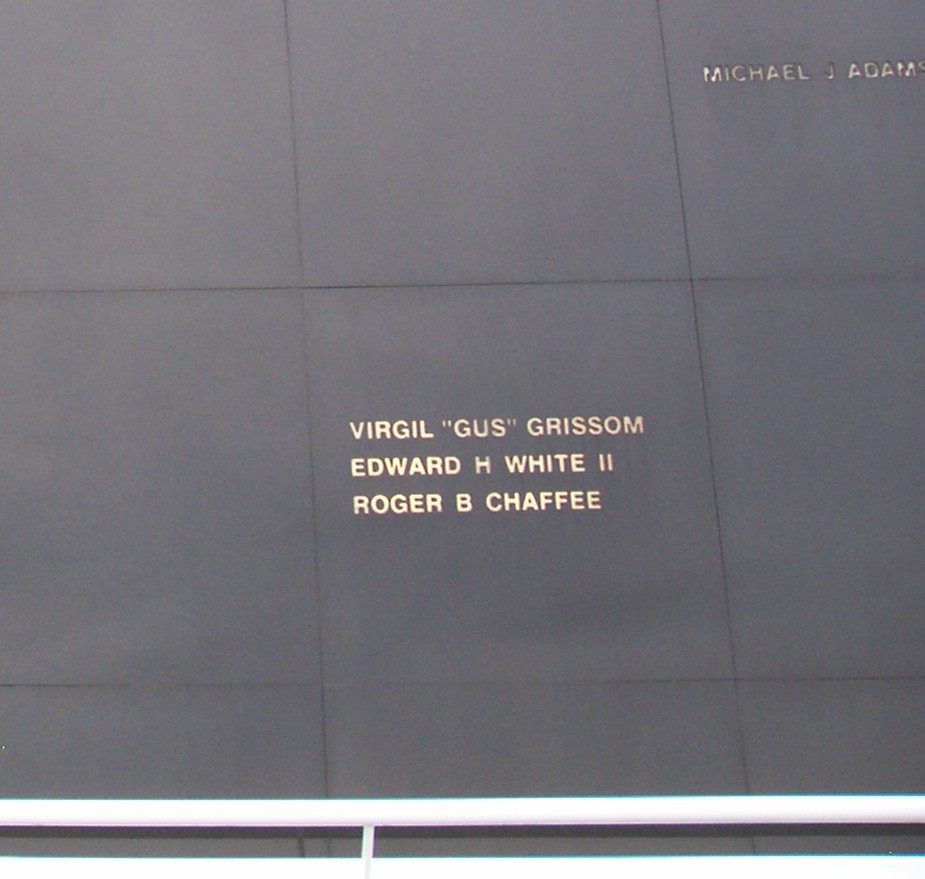
Chaffee was assigned to the first crewed Apollo mission when he and fellow astronauts Gus Grissom and Ed White died in a cabin fire during a January 27, 1967 ground test for Apollo 1. The test took place at Cape Canaveral in Florida and simulated pressurized launch conditions inside the command module. The subsequent investigation identified a combination of a high‑pressure pure‑oxygen atmosphere, flammable materials, and electrical and design vulnerabilities that allowed the fire to spread quickly and impeded rapid egress.
Investigation and safety changes
The accident produced an extensive review of spacecraft design, procedures and materials. NASA and its contractors made wide-ranging changes: reducing flammable materials in the cabin, revising wiring and electrical components, changing ground test atmospheres, and redesigning the crew hatch to open outward for faster escape. These reforms were credited with improving safety for later Apollo missions.
Legacy and commemoration
Chaffee is remembered for his technical competence, careful approach to testing and dedication to crew support. The loss of the Apollo 1 crew had a lasting effect on NASA's engineering culture and is frequently cited in safety and systems-engineering studies. Public memorials, museum exhibits, scholarships and educational programs honor Chaffee and his crewmates and preserve the history of the early space program.
Further reading and resources: Contemporary mission reports, NASA historical collections and astronaut biographies provide primary-source material and program context. Researchers and the public can consult archived mission documentation and curated exhibits for more detail on Apollo-era operations and the safety changes that followed the accident.
- Chaffee's career illustrates the intersection of test flying, engineering and human spaceflight support.
- The Apollo 1 accident led to procedural and hardware reforms that shaped subsequent lunar missions.
- Memorials and educational programs continue to interpret the lives and service of Chaffee, Grissom and White.
Primary documents and mission analyses remain available through NASA archives and historical centers; readers interested in technical reports or archival materials should consult specialized collections and verified program histories for detailed records and official findings.
Author
AlegsaOnline.com Roger B. Chaffee Leandro Alegsa
URL: https://en.alegsaonline.com/art/145035