
Robert A. Taft — U.S. Senator and conservative leader
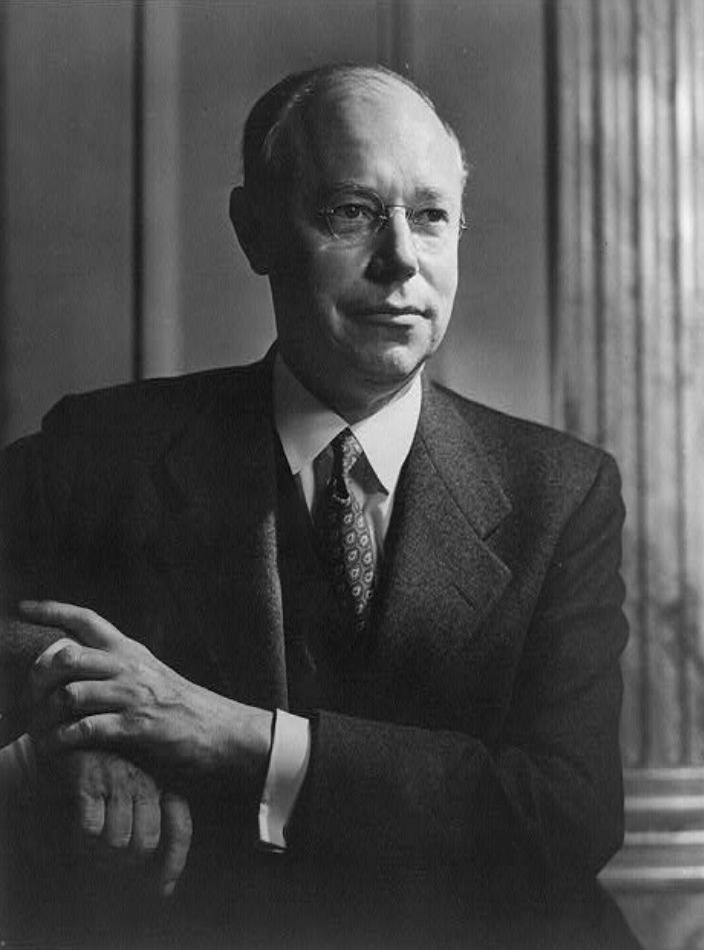
Robert A. Taft (1889–1953) was an influential Republican senator from Ohio, leader of the conservative wing of his party, four-time presidential contender, and co-author of major postwar legislation.
Overview
Robert Alphonso Taft (September 8, 1889 – July 31, 1953) was an American politician and a leading figure in the mid-20th century Republican Party. A son of President William Howard Taft, he represented Ohio in the U.S. Senate from 1939 until his death in 1953. Known for his principled conservatism and reluctance toward large international commitments, Taft was a prominent voice for limited federal government and for legislative restraint on executive power. He was sometimes called "Mr. Republican" for his influence within the party.
Image gallery
4 Images


Career and major positions
Taft earned his education at the Taft School, Yale University, and Harvard Law School, and moved into public life after practicing law and serving in state politics. Elected to the U.S. Senate in 1938, he became a leader of the conservative bloc and a frequent critic of the New Deal's expansion of federal programs. He opposed broad executive initiatives and often argued for states' rights and fiscal restraint.
- Legislation: Taft was a principal sponsor of the Labor Management Relations Act of 1947 (commonly known as the Taft–Hartley Act), which revised labor law procedures.
- Foreign policy: He favored a more cautious, constitutional approach to foreign entanglements and was skeptical of permanent military alliances and large peacetime commitments abroad.
- Party leadership: He served as Senate Majority Leader from January 3, 1953, until his death on July 31, 1953, and for many years was a dominant voice among Senate Republicans.
Elections and national influence
Taft sought the Republican presidential nomination four times (1940, 1944, 1948, and 1952). Although he never secured the nomination, his campaigns shaped conservative policy debates and helped define mid-century Republican ideology. His resistance to some aspects of the emerging postwar international order placed him at odds with party moderates and with presidential candidates who favored broader Atlantic commitments.
Historical significance
Historians and political commentators often credit Taft with helping to forge the conservative tradition within the Republican Party: a blend of fiscal conservatism, support for limited government, and emphasis on constitutional methods. His authorship of key labor legislation and his persistent advocacy for congressional authority over foreign commitments left a lasting imprint on legislative practice and party doctrine.
Personal life and death
Born in Cincinnati, Ohio, Taft married Martha Wheaton Bowers in 1914; they had four sons. A committed family man and practicing lawyer before his full-time political career, he remained rooted in Ohio political life. Taft died on July 31, 1953, in a hospital in New York City from a cerebral hemorrhage at age 63. Throughout and after his career, he remained closely associated with the conservative wing of the Republican Party and is remembered as one of the most influential senators of his era. For broader context on the U.S. Senate and mid-20th century politics, see resources on the institution and party history at related references.
Author
AlegsaOnline.com Robert A. Taft — U.S. Senator and conservative leader Leandro Alegsa
URL: https://en.alegsaonline.com/art/144927