
British Rail Class 456 electric multiple unit
Two-car suburban electric multiple units built 1990–91 by BREL York to replace aging 2EPB stock on Southern Region inner-suburban services; later refurbished and phased out from 2021 in favour of new fleets.
The British Rail Class 456 is a family of two-car electric multiple units introduced at the start of the 1990s to renew inner-suburban services on the Central Division of the Southern Region. Twenty-four two-car sets were constructed to replace older 2EPB stock and to provide improved reliability and passenger accommodation for short-distance commuter journeys.
Image gallery
7 Images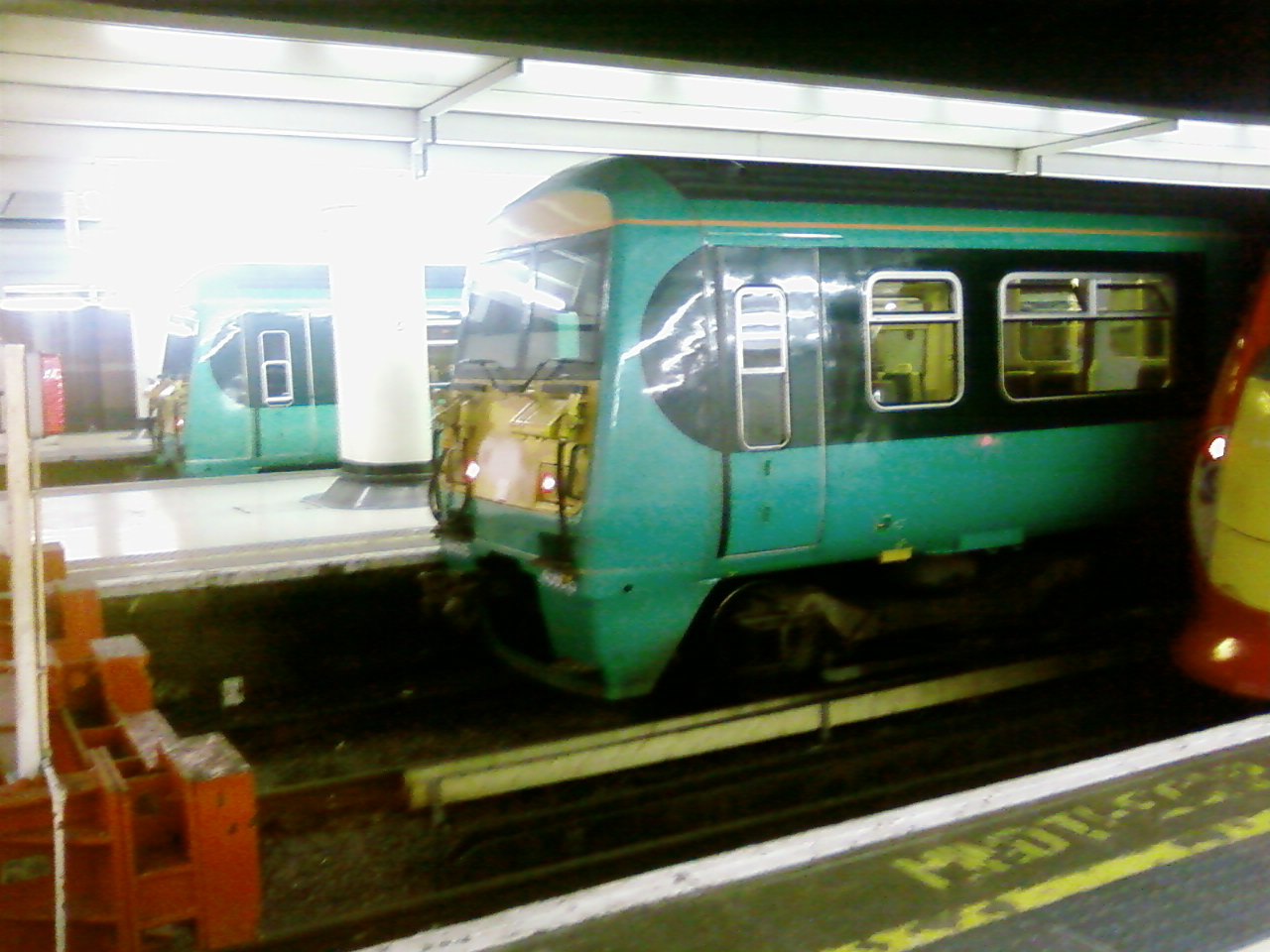
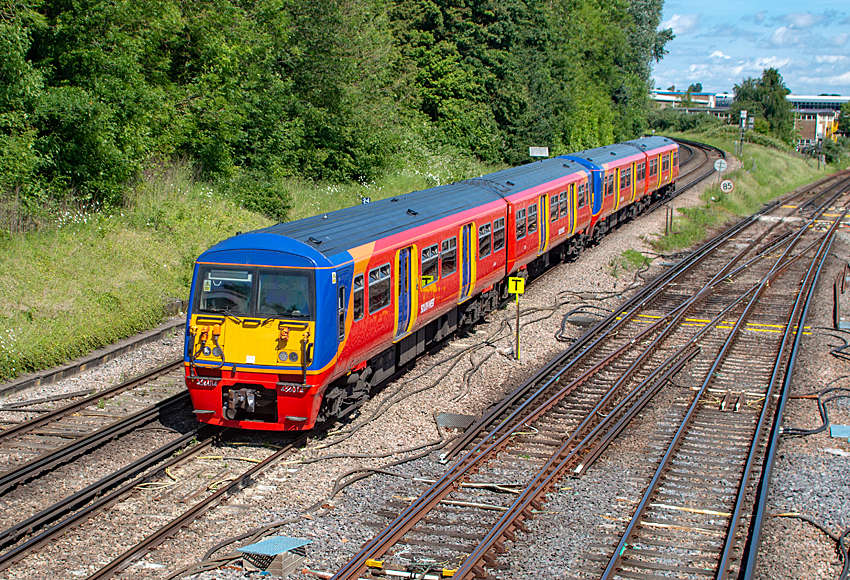


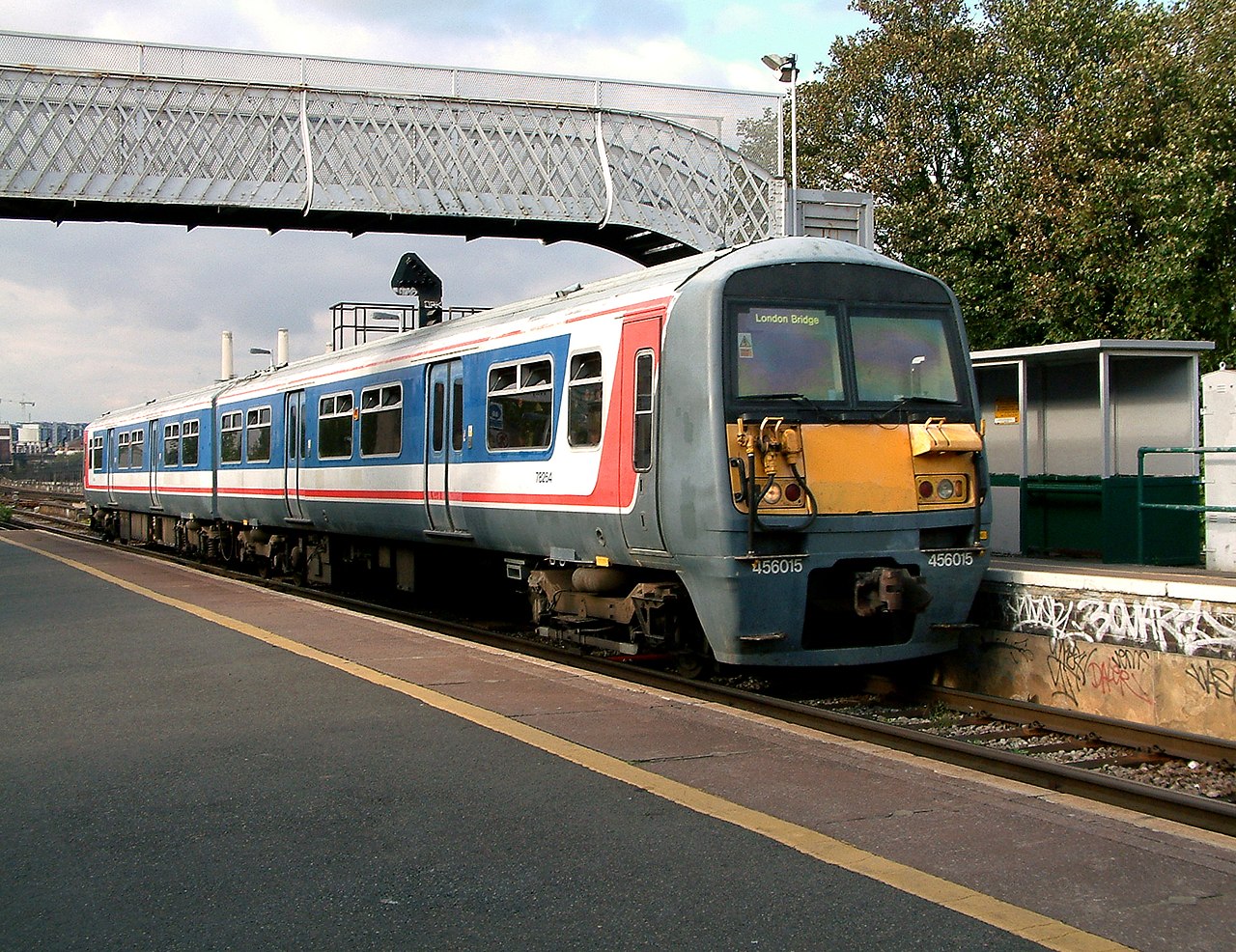
Design and configuration
Built between 1990 and 1991 by BREL at the York Works, each Class 456 set consists of two permanently coupled cars with driving cabs at both ends. They were designed for third-rail DC operation and intended for high-frequency stop-start suburban services rather than long-distance runs. Interiors were arranged for short journeys with a mix of seating and standing space suited to commuter flows.
Characteristics
- Formation: two-car units with driving cabs at each end
- Electrical system: third-rail DC (typical for Southern Region routes)
- Role: suburban and inner-suburban passenger services with frequent stops
Service history
The Class 456 fleet entered traffic in Network SouthEast colours, reflecting the sectorisation of British Rail at the time, and quickly became a familiar sight on short-distance commuter services serving the southern approaches to London. They replaced elderly Class 416 (2EPB) units, which had operated for decades and lacked more modern passenger conveniences. Over time the 456s received various interior and reliability upgrades under different operators following privatisation.
Replacement and legacy
From around 2021 the Class 456 sets began to be superseded on several routes by newly procured fleets designed to offer higher capacity, accessibility improvements and updated systems. In public timetables and fleet plans these newer trains were identified as replacements for suburban units such as the 456s. The Class 456s are noted for their role in bridging the gap between ageing 2EPB stock and modern multiple-unit designs used on commuter networks.
Notable facts
Although compact and purpose-built for short runs, the Class 456 units represent an important step in late 20th-century suburban rolling-stock renewal. They entered service wearing the distinctive blue, red and white livery of Network SouthEast and directly displaced the older Class 416 units. Their construction at a major national works highlights the continued industrial effort to modernise commuter rail equipment during that period.
Further reading and fleet details are available from specialist sources and preserved railway records for those seeking unit-level histories or diagrams.
Related articles
Author
AlegsaOnline.com British Rail Class 456 electric multiple unit Leandro Alegsa
URL: https://en.alegsaonline.com/art/14462