
Agrigento: Sicilian city and ancient Greek archaeological park
Agrigento, capital of its Sicilian province on the southern coast, hosts the Valle dei Templi archaeological park with well-preserved Greek temples, museums and a historic old town.
Agrigento (Sicilian: Girgenti) is a city on the southern coast of the region of Sicily in southern Italy. It serves as the administrative centre of the Province of Agrigento and is best known for the large number of ruins from antiquity found in and around the municipality.
Image gallery
10 Images


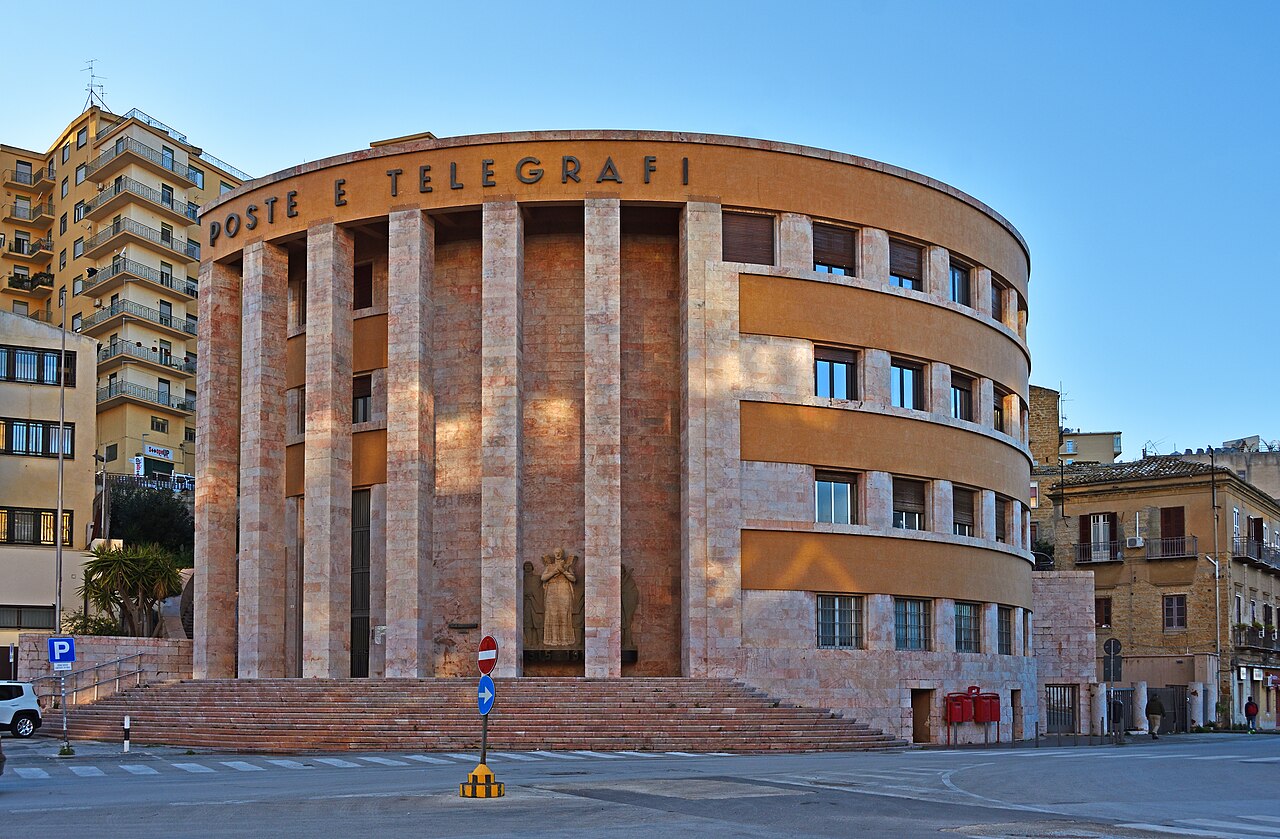

Location and administration
Agrigento lies on a ridge overlooking the Mediterranean and has long been a local hub for administration and commerce. The modern town grew around and beside the remains of the older settlement, and it functions today as the capital of the surrounding province.
History
The site was originally established in the 6th century BCE by Greek colonists and was known in antiquity as Akragas. Over the centuries it fell under Carthaginian, Roman and later Mediterranean influences, leaving a layered archaeological record. Visitors can still see monuments and urban remains reflecting its time under the ancient Greeks as well as later Roman periods.
Archaeological heritage
The area around Agrigento contains some of the best-preserved Greek temples and other classical remains in the Mediterranean. The archaeological park that protects these monuments is a major cultural asset and attracts scholars and tourists alike. Significant finds include Doric temples, necropoleis and traces of Roman occupation.
Main sights
- The hillside archaeological zone with its series of classical temples and sanctuaries.
- Museums housing sculptures, inscriptions and objects recovered from nearby excavations.
- The historic old town with narrow streets, churches and civic buildings that document the city’s more recent history.
Economy and culture
Tourism connected to the archaeological sites is a major component of the local economy, complemented by agriculture and services. Cultural events, festivals and local cuisine reflect the mixed Mediterranean heritage of the area.
Visiting
Agrigento is accessible by road and serves as a convenient base for exploring the archaeological park and the surrounding countryside. Visitors are advised to allow time for both the open-air monuments and the town’s historical centre to appreciate the full scope of its past.
For linguistic and cultural context, the local Sicilian language is often encountered in place names and everyday speech; the island’s distinct dialects are part of Agrigento’s regional identity (Sicilian).
Tags
Related articles
Author
AlegsaOnline.com Agrigento: Sicilian city and ancient Greek archaeological park Leandro Alegsa
URL: https://en.alegsaonline.com/art/1445