
British Rail Class 37 (English Electric Type 3)
Diesel-electric locomotive introduced by British Rail in the 1960s. The versatile Class 37 (English Electric Type 3) served passenger and freight duties widely and remains popular with enthusiasts.
The British Rail Class 37 is a diesel-electric locomotive first introduced to the national network during the post‑steam modernization of the 1960s. Built by English Electric and known to its designers as the Type 3, the class became a familiar sight across the UK and on many regional Inter-City routes. Early publicity and fleet lists were issued by British Rail, and the design is widely referenced in histories of diesel traction. Its powertrain is a conventional diesel-electric layout (diesel-electric), giving a blend of hauling ability and reliability that suited mixed traffic duties.
Image gallery
10 Images
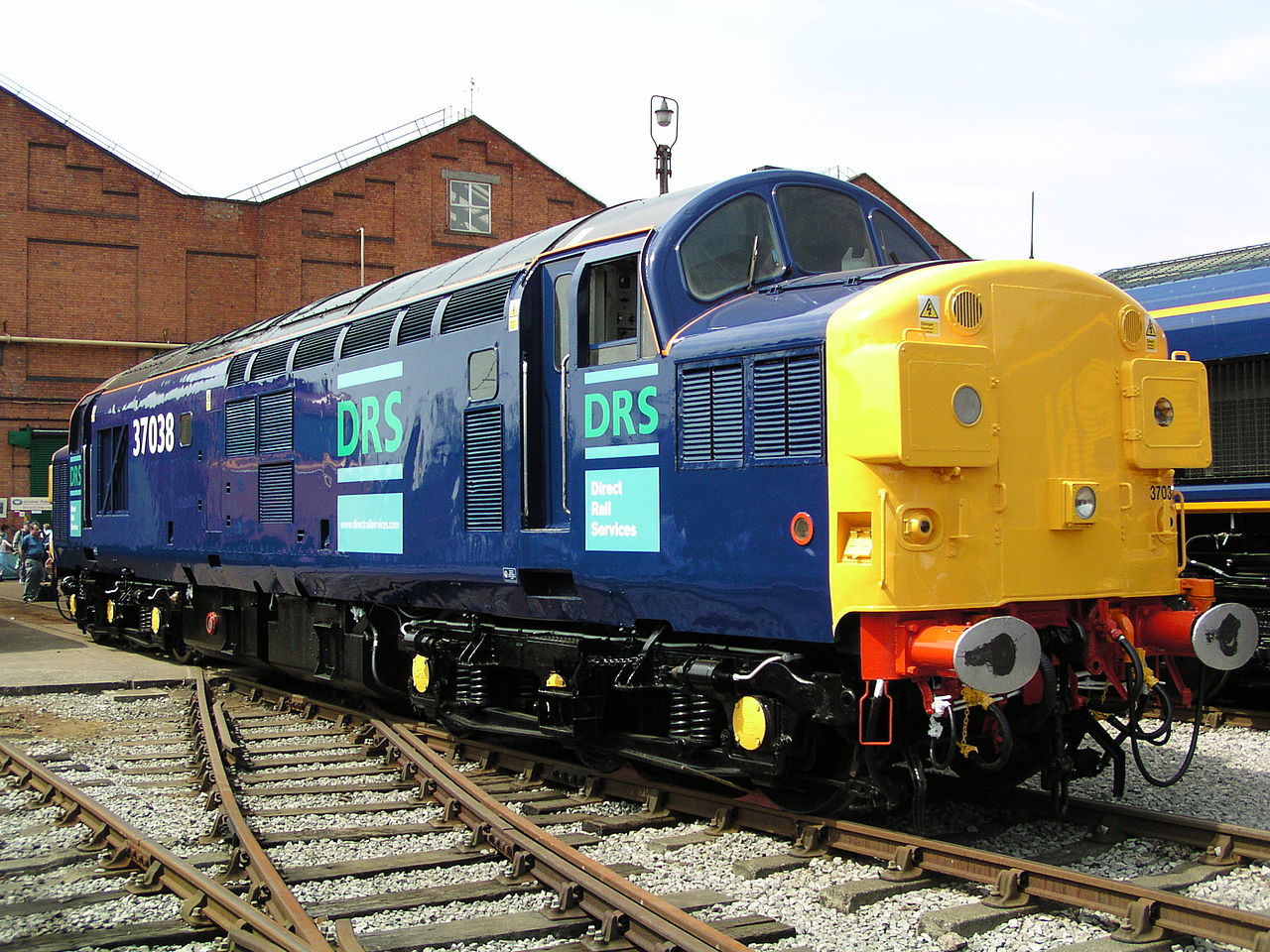


Key characteristics
The Class 37 combined a rugged prime mover with straightforward electrical transmission and a roomy driver's cab. Its appearance and engineering allowed a range of services from express passenger trains to heavy freight. Typical attributes noted by engineers and enthusiasts include:
- Durable diesel engine with mechanical ancillaries sized for long runs and frequent stops.
- Electric traction motors driving the axles, enabling steady tractive effort across speeds.
- Simple maintainability and adaptability that allowed mid-life refurbishments and role changes.
- Visible variety in liveries and headcode equipment over decades of service.
History and development
Ordered as part of the wider modernization plan that replaced steam, the Class 37 was one of several Type locomotives intended to standardize motive power. Delivered during the 1960s by English Electric factories, they were allocated to depots across the network and quickly took on both mainline and secondary tasks. Their robust construction meant many units enjoyed lengthy careers and periodic rebuilding programmes to extend operational life.
In revenue service the Class 37 performed on named Inter-City workings and on regional routes, including services in eastern England and Scotland. For example, the class regularly appeared on Inter-City workings in areas such as Inter-City corridors and regional lines in East Anglia and Scotland. They handled passenger diagrams, parcels trains and freight flows where their mix of speed and traction was appropriate.
Among enthusiasts the Class 37 is affectionately nicknamed the "Tractor". This informal name reflects the machine's distinctive engine note and the rhythmic mechanical sound that recalls agricultural diesel units; sources discussing motive power nicknames describe how the designation caught on among crews and railfans alike (nickname origins).
Many Class 37s have been preserved on heritage railways and continue to appear on charter trains and in limited freight service, demonstrating their adaptability. Their long service life, recognisable noise signature and broad geographical coverage during their peak years have secured the Class 37 an enduring place in British rail history and popular memory.
Related articles
Author
AlegsaOnline.com British Rail Class 37 (English Electric Type 3) Leandro Alegsa
URL: https://en.alegsaonline.com/art/14421
Sources
- therailwaycentre.com : The Railway Centre - Class 37
- auran.com : "Locomotive Database - BR Class 37 Technical Data"
- rodge.force9.co.uk : Locomotive, DMU and EMU Nicknames