
British Rail Class 357 (Electrostar) AC electric multiple unit
The Class 357 Electrostar is a family of AC electric multiple units built 1999–2003 for suburban and commuter services, introduced by LTS Rail (now c2c) and manufactured by ADtranz/Bombardier.
Overview
The British Rail Class 357, commonly known as the "Electrostar", is a family of alternating current (AC) electric multiple units, or EMUs, introduced to UK suburban and commuter services between 1999 and 2003. They were manufactured by ADtranz at Derby and later became associated with Bombardier Transportation. The procurement represented a significant fleet renewal costing in the order of £350 million and replaced older first-generation rolling stock on busy commuter corridors.
Image gallery
10 Images


Design and main features
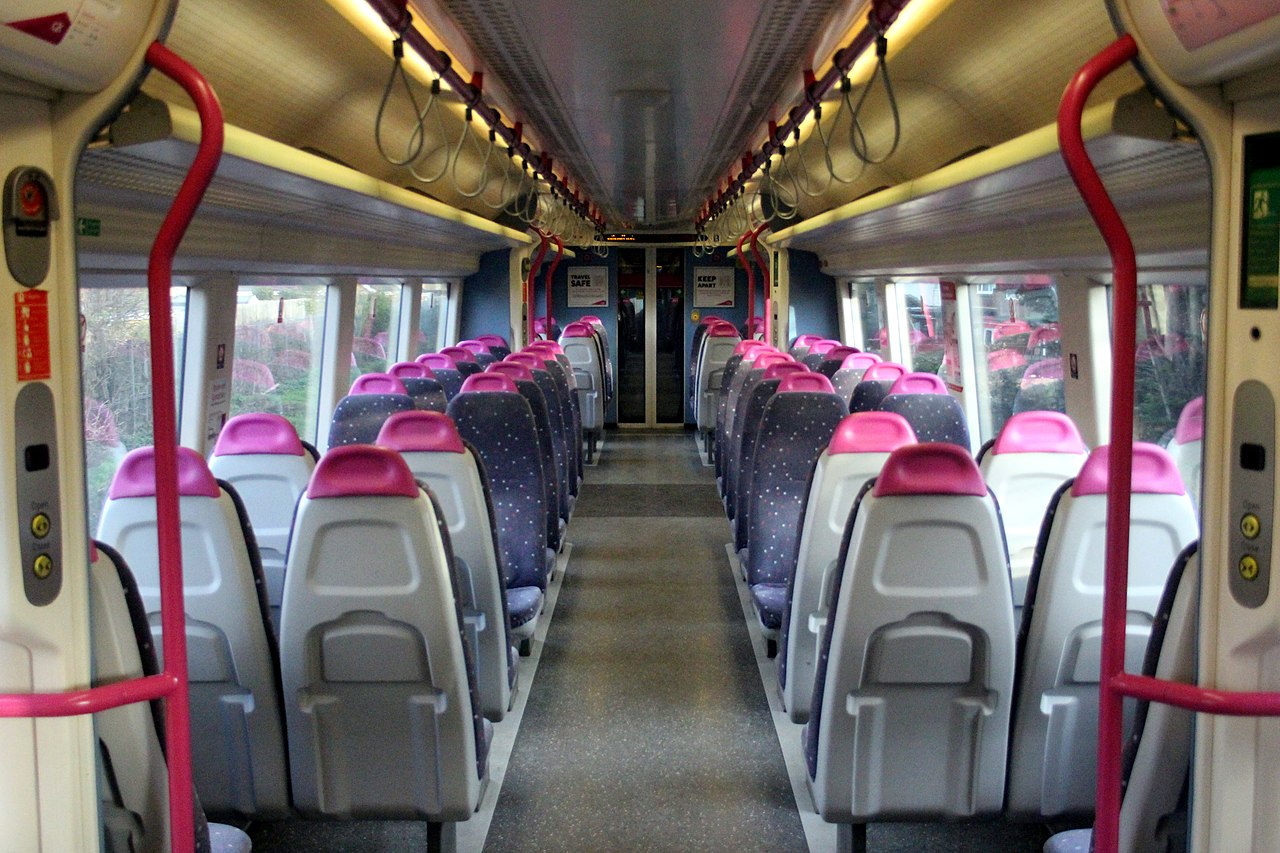
Class 357 units were designed as modern suburban units with aluminium-bodied carriages and a focus on reliability, rapid acceleration and passenger comfort. They are typically formed as four-car sets, which allows operators to couple units together for longer peak services. The design is intended to work with 25 kV AC overhead electrification and uses standardised traction and electrical components common to the Electrostar family.
- Automatic sliding doors and wide vestibules to improve dwell times at stations.
- Passenger information systems, provision for accessibility and luggage space for commuter journeys.
- Modular construction that simplifies mid-life refurbishment and component replacement.
Family and related classes
The Class 357 is one member of the broader Electrostar family, a highly successful post-privatisation EMU platform in Britain. Closely related types include Class 375, Class 376, Class 377 and Class 378, each adapted for different route profiles such as longer-distance commuter services, high-capacity metro-style operation, or outer-suburban duties while sharing many components and maintenance practices.
History and deployment
The units were ordered and delivered in two primary batches for the original purchaser, LTS Rail, which was later rebranded as c2c. They entered service from the late 1990s and by the early 2000s formed the backbone of the operator's electric services on its commuter routes, improving reliability and passenger experience compared with the older fleets they replaced.
Operations, maintenance and refurbishment
In everyday operation the Class 357 is noted for dependable performance and ease of maintenance because of the standardised Electrostar components. Maintenance regimes benefit from interchangeability of many parts across the family. Over their service life many units have undergone interior refurbishments and upgrades to passenger information systems, lighting and accessibility equipment to meet changing regulatory and passenger expectations.
Legacy and significance
Although not intended for high-speed intercity work, the Class 357 represents a pragmatic and influential approach to suburban EMU design in the UK: a common platform that can be adapted for multiple operators' needs. Its introduction helped set a template for subsequent EMU procurement by demonstrating the advantages of modular design, standardised systems and fleet commonality for cost-effective operation on busy commuter networks.
Related articles
Author
AlegsaOnline.com British Rail Class 357 (Electrostar) AC electric multiple unit Leandro Alegsa
URL: https://en.alegsaonline.com/art/14418
Sources
- ukbusinesspark.co.uk : "UK Business Park – UK Activity Report – ADtranz"
- c2c-online.co.uk : "c2c Online – Progress on c2c's new train fleet"