
Pete McCloskey (American politician)
American politician and decorated Marine who represented California in the U.S. House (1967–1983), challenged Nixon in 1972 as an anti‑war Republican, and later registered as a Democrat in 2007.
Overview
Paul Norton "Pete" McCloskey Jr. (born September 29, 1927) is an American politician and decorated veteran known for an independent streak in public life. He represented districts in California in the U.S. House of Representatives from 1967 to 1983. Long identified with the Republican Party during his congressional career, McCloskey attracted national notice when he challenged President Richard Nixon in the 1972 primaries as an outspoken opponent of the Vietnam War and later changed his registration to the Democratic Party in 2007.
Image gallery
3 Images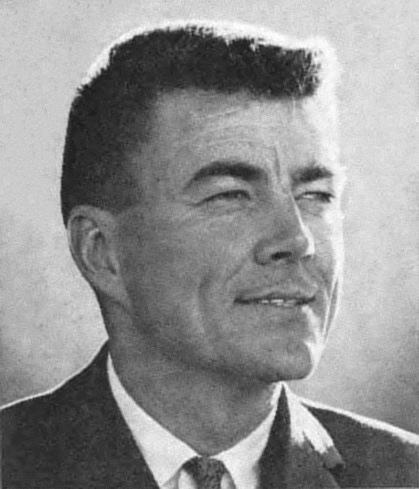


Early life and legal career
McCloskey grew up in California and served in the military before attending college and law school. He worked as a lawyer and became active in civic affairs and Republican politics in the 1950s and 1960s. His professional background combined legal practice with involvement in conservation and government reform efforts, settings in which he developed a pragmatic, sometimes maverick reputation.
Military service
McCloskey served as an officer in the United States Marine Corps and saw combat during the Korean War. For his actions in wartime he received high decorations, including the Navy Cross and the Silver Star, and he suffered wounds for which he was awarded two Purple Heart decorations. His experiences as a combat veteran influenced his later public positions and lent weight to his criticisms of prolonged military engagements.
Congressional career and positions
During his time in the House of Representatives, McCloskey was known as a moderate and sometimes contrarian Republican. He supported environmental protection and consumer-rights measures, favored government accountability and ethics reforms, and often crossed party lines on social and foreign-policy issues. His blend of fiscal conservatism, conservationism, and independent judgment made him a notable figure in the context of mid-20th century American politics.
1972 presidential primary challenge
In 1972 McCloskey mounted a symbolic primary challenge to the incumbent president, running as an anti‑Vietnam War alternative within the Republican Party. The campaign drew attention to dissent over the war inside the GOP and demonstrated that opposition to the conflict existed beyond the Democratic coalition. Though he lost the nomination contest to the incumbent and the campaign was not successful electorally, it remains a significant episode in his career.
Later life and party change
After leaving Congress in 1983, McCloskey remained active on public issues including environmental conservation, veterans' affairs, and campaign reform. Disagreements with the Republican Party's direction over subsequent decades culminated in his 2007 decision to register with the Democratic Party, an act that received attention as a reflection of his long-standing independent stance.
Honors and legacy
McCloskey's record as a decorated Marine and long-serving congressman has contributed to his public standing. Observers cite his career as an example of a generation of politicians who combined service, conservationist impulses, and willingness to challenge their party on matters of principle. His military decorations and his role in the 1972 primary remain among the most widely noted aspects of his life in public service.
Further reading and links
- Biographical summaries and congressional service records: California congressional archives.
- Accounts of the 1972 primary campaign and anti‑war Republican opposition: 1972 Republican nomination.
- Contemporary coverage of his challenge to Richard Nixon.
- Information on his later political affiliation and views: party change in 2007.
- Details of his military service: United States Marine Corps records and summaries.
- Historical context on the Korean War and veterans' recognition.
- Details about military decorations such as the Silver Star.
- Information on combat wounds and awards like the Purple Heart.
Author
AlegsaOnline.com Pete McCloskey (American politician) Leandro Alegsa
URL: https://en.alegsaonline.com/art/144136