
Otello (Verdi) — Opera in Four Acts
Giuseppe Verdi's Otello is a four-act Italian opera with a libretto by Arrigo Boito after Shakespeare's Othello. Premiered at La Scala in 1887, it is widely regarded as one of Verdi's greatest dramatic achievements.
Overview
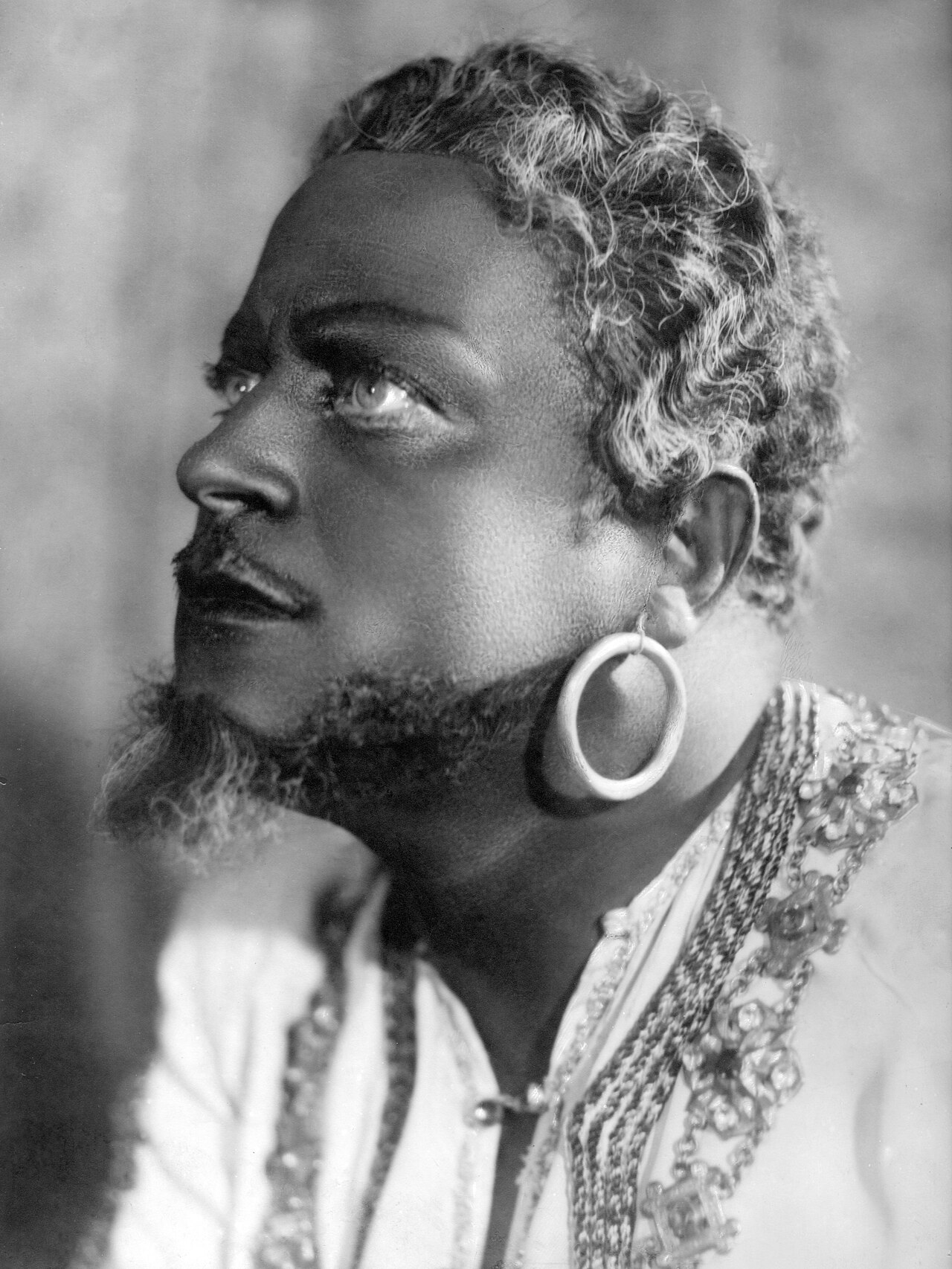
Otello is an Italian opera in four acts composed by Giuseppe Verdi. The libretto was prepared by Arrigo Boito, who adapted the drama from William Shakespeare's tragedy Othello. The work received its first public performance at La Scala in Milan on 5 February 1887 and is commonly cited as one of the crowning achievements of late-19th-century opera.
Image gallery
10 Images


Structure and musical character
Verdi crafts Otello with a continuous dramatic flow rather than a sequence of discrete numbers. The score blends lyrical arioso, ensembles and orchestral passages that intensify the psychological drama. Verdi's late style in this score emphasizes harmonic color, tightly woven orchestration and vivid musical characterization. Memorable moments for audiences include Desdemona's intimate farewell material such as the "Willow Song" and the prayer-like "Ave Maria," which precede the opera's tragic conclusion.
Principal roles
- Otello — tenor (the Moor, a distinguished soldier)
- Desdemona — soprano (Otello's wife)
- Iago — baritone (the jealous ensign and antagonist)
- Emilia — mezzo-soprano (Iago's wife and Desdemona's attendant)
- Cassio — tenor (captain and victim of Iago's schemes)
History and reception
Verdi and Boito's collaboration marked a return to Shakespearean subject matter and a late-career renewal for Verdi. Though rooted in a familiar dramatic plot, the opera reworks the play's events into condensed, musically intense scenes. Early reception admired the work's dramatic force and musical invention; in the decades since its premiere Otello has become a staple of the international repertory and a benchmark for dramatic tenors and sopranos.
Performance tradition and legacy
Many celebrated singers have taken on the title role and other principal parts. Historic and contemporary interpreters include Mario Del Monaco, Jon Vickers, and Plácido Domingo. Staging traditions vary: some productions emphasize faithful period settings while others highlight psychological or modern political themes. The opera is well represented in studio and live recordings and remains central to discussions of verismo-inflected dramatic writing and Shakespearean adaptation in music.
Notable facts
Otello stands as one of Verdi's final mature masterpieces, followed a few years later by his comic opera Falstaff. It is admired for its concentrated dramatic pacing, demanding vocal writing, and the way Verdi and Boito reshape Shakespeare's tragedy into a compact, musically unified drama.
Author
AlegsaOnline.com Otello (Verdi) — Opera in Four Acts Leandro Alegsa
URL: https://en.alegsaonline.com/art/143765